



As a seasoned supplier of suction and discharge hoses, I often encounter inquiries from customers regarding the suitability of our hoses for abrasive materials. This is a critical question, as using the wrong hose for abrasive substances can lead to premature wear, leaks, and even safety hazards. In this blog post, I will delve into the factors to consider when using suction and discharge hoses for abrasive materials, and provide insights to help you make informed decisions.
Understanding Abrasive Materials
Abrasive materials are substances that can cause wear and tear on surfaces through friction or scratching. Common examples include sand, gravel, crushed stone, cement, coal, and metal powders. These materials are often used in industries such as construction, mining, agriculture, and manufacturing. When handling abrasive materials, it is essential to choose a hose that can withstand the abrasive forces without compromising its integrity.


Factors to Consider
Hose Material
The choice of hose material is crucial when dealing with abrasive materials. Different materials have varying levels of abrasion resistance, chemical compatibility, and flexibility. Some of the most common materials used for suction and discharge hoses include:
- Rubber: Rubber hoses are known for their flexibility, durability, and resistance to abrasion. They can withstand high pressures and temperatures, making them suitable for a wide range of applications. However, not all rubber hoses are created equal. Some types of rubber, such as natural rubber, may not be as resistant to abrasion as others. It is important to choose a rubber hose that is specifically designed for abrasive materials, such as a polyurethane-lined rubber hose.
- Thermoplastics: Thermoplastic hoses are lightweight, flexible, and resistant to chemicals and abrasion. They are often used in applications where weight and flexibility are important, such as in vacuum systems and agricultural spraying. Thermoplastic hoses are available in a variety of materials, including PVC, polyethylene, and nylon. Each material has its own unique properties, so it is important to choose the right one for your specific application.
- Metal: Metal hoses are the most durable and resistant to abrasion of all the hose materials. They are often used in high-pressure applications, such as in hydraulic systems and oil and gas pipelines. Metal hoses are available in a variety of materials, including stainless steel, carbon steel, and aluminum. However, metal hoses are also the heaviest and least flexible of all the hose materials, so they may not be suitable for all applications.
Hose Construction
In addition to the hose material, the construction of the hose also plays a role in its abrasion resistance. A hose with a thick inner liner and multiple layers of reinforcement is generally more resistant to abrasion than a hose with a thin inner liner and fewer layers of reinforcement. Some hoses also have special features, such as a smooth inner surface or a spiral reinforcement, that can help to reduce friction and improve abrasion resistance.
Hose Size and Pressure Rating
The size and pressure rating of the hose are also important factors to consider when using it for abrasive materials. A hose that is too small or has a low pressure rating may not be able to handle the flow rate and pressure of the abrasive material, which can lead to premature wear and failure. On the other hand, a hose that is too large or has a high pressure rating may be more expensive and less flexible, which can make it difficult to install and use.
Application Conditions
The application conditions, such as the temperature, humidity, and chemical environment, can also affect the performance of the hose. Some abrasive materials may be more corrosive or reactive than others, which can cause the hose to degrade over time. It is important to choose a hose that is compatible with the application conditions and can withstand the chemicals and temperatures involved.
Our Suction and Discharge Hoses for Abrasive Materials
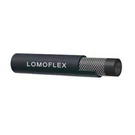
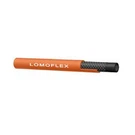
At our company, we offer a wide range of suction and discharge hoses that are specifically designed for abrasive materials. Our hoses are made from high-quality materials and are constructed to withstand the most demanding applications. Some of our popular hoses for abrasive materials include:
- Suction and Discharge Water Hose: Our suction and discharge water hoses are designed for use in a variety of water applications, including irrigation, construction, and mining. They are made from a high-quality rubber compound that is resistant to abrasion, chemicals, and UV rays. Our water hoses are available in a variety of sizes and pressure ratings to meet your specific needs.
- Suction and Discharge Oil Hose: Our suction and discharge oil hoses are designed for use in a variety of oil applications, including petroleum transfer, fuel dispensing, and hydraulic systems. They are made from a high-quality rubber compound that is resistant to oil, chemicals, and abrasion. Our oil hoses are available in a variety of sizes and pressure ratings to meet your specific needs.
Conclusion
In conclusion, a suction and discharge hose can be used for abrasive materials, but it is important to choose the right hose for the job. When selecting a hose for abrasive materials, it is important to consider the hose material, construction, size, pressure rating, and application conditions. At our company, we offer a wide range of suction and discharge hoses that are specifically designed for abrasive materials. Our hoses are made from high-quality materials and are constructed to withstand the most demanding applications. If you have any questions or need help selecting the right hose for your application, please contact us. We would be happy to assist you.
References
- "Abrasive Materials: Properties and Applications." Encyclopedia Britannica.
- "Hose Materials and Their Applications." Parker Hannifin Corporation.
- "Choosing the Right Hose for Your Application." Gates Corporation.