



Hey there! As a supplier of Sae100 R5 hydraulic hoses, I often get asked a bunch of questions about these hoses. One question that pops up quite a bit is, "Is SAE100 R5 resistant to low - pressure pulsation?" Well, let's dig into this topic and find out.
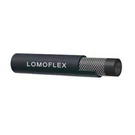
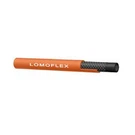
First off, let's understand what Sae100 R5 is. Sae100 R5 is a type of hydraulic hose that's designed for specific applications. It's part of the wire - braid hose family, and you can learn more about it on this page: Sae100 R5. These hoses are commonly used in hydraulic systems where there's a need for flexibility and moderate pressure handling.
Now, let's talk about low - pressure pulsation. Pulsation in a hydraulic system is like a series of small pressure waves that occur due to the operation of pumps, valves, or other components. Low - pressure pulsation refers to these pressure waves when they're at a relatively low level. It might not seem like a big deal, but over time, it can cause wear and tear on hoses, leading to leaks or even complete failure.
So, is SAE100 R5 resistant to low - pressure pulsation? The answer is yes, to a certain extent. SAE100 R5 hoses are built with a construction that gives them some level of resistance to these pressure fluctuations. The inner tube of the SAE100 R5 is usually made of synthetic rubber, which has good flexibility and can withstand a certain amount of pressure changes without cracking or deforming easily.
The wire braid reinforcement in SAE100 R5 also plays a crucial role. The braided wires add strength to the hose and help it maintain its shape under pressure. When low - pressure pulsation occurs, the wire braid helps distribute the stress evenly across the hose, reducing the chances of localized damage.
However, it's important to note that the resistance of SAE100 R5 to low - pressure pulsation isn't absolute. There are several factors that can affect how well it holds up. For example, the frequency of the pulsation matters. If the low - pressure pulsation occurs at a very high frequency, it can still cause fatigue in the hose over time. The temperature of the hydraulic fluid also plays a role. Higher temperatures can make the rubber in the inner tube more prone to degradation, which can reduce the hose's ability to resist pulsation.
Let's compare SAE100 R5 with some other types of hoses in terms of low - pressure pulsation resistance. Take Din En853 2sn for example. This hose is also a wire - braid hose, but it's designed for different applications and has a different construction. Din En853 2sn is generally more suitable for high - pressure applications. In terms of low - pressure pulsation, while it can handle it, its design might not be as optimized for this specific aspect as SAE100 R5.
Another hose to consider is SAE100R1AT. SAE100R1AT is often used in general - purpose hydraulic systems. It has a single - wire braid construction, which gives it a different level of flexibility and strength compared to SAE100 R5. When it comes to low - pressure pulsation, SAE100 R5 might have an edge because its construction can better handle the stress distribution caused by these pressure waves.
If you're using SAE100 R5 in a system with low - pressure pulsation, there are some things you can do to ensure its longevity. First, make sure the hydraulic fluid is clean. Contaminants in the fluid can cause abrasion inside the hose, which can weaken it and make it more susceptible to damage from pulsation. Second, monitor the temperature of the system. If the temperature gets too high, consider adding a cooling system to keep it within the recommended range for the hose.
In conclusion, SAE100 R5 does have a good level of resistance to low - pressure pulsation, thanks to its construction and materials. But it's not invincible. By understanding its limitations and taking proper care, you can make the most of these hoses in your hydraulic systems.


If you're in the market for SAE100 R5 hoses or have any questions about them, don't hesitate to reach out for a chat. We're here to help you find the right solution for your hydraulic needs.
References:
- Hydraulic Hose Handbook
- Industry reports on hydraulic hose performance