

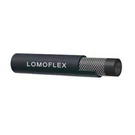


As a trusted supplier of SAE100 R5 hydraulic hoses, I often receive inquiries about the outer diameter of this specific hose type. Understanding the outer diameter is crucial for various applications, as it affects the hose's compatibility with fittings, installation space, and overall performance. In this blog post, I'll delve into the details of the outer diameter of SAE100 R5 hoses, providing you with the information you need to make informed decisions for your hydraulic systems.
Understanding SAE100 R5 Hoses
Before we discuss the outer diameter, let's briefly understand what SAE100 R5 hoses are. SAE100 R5 hoses are designed for use in hydraulic systems where a combination of flexibility and moderate pressure resistance is required. These hoses are typically used in low to medium-pressure applications, such as agricultural equipment, construction machinery, and industrial machinery.
The SAE100 R5 standard specifies the requirements for the construction, performance, and dimensions of these hoses. It ensures that the hoses meet certain quality and safety standards, making them suitable for a wide range of hydraulic applications. You can find more detailed information about SAE100 R5 hoses on our website Sae100 R5.
Factors Affecting the Outer Diameter
The outer diameter of an SAE100 R5 hose is not a fixed value but can vary depending on several factors. These factors include the hose size, the construction materials used, and the manufacturing process.
- Hose Size: SAE100 R5 hoses are available in different sizes, typically specified by the inner diameter (ID) of the hose. The outer diameter generally increases with the increase in the inner diameter. For example, a smaller ID hose will have a smaller outer diameter compared to a larger ID hose.
- Construction Materials: The materials used in the construction of the hose can also affect its outer diameter. The inner tube, reinforcement layer, and outer cover all contribute to the overall thickness of the hose. Different materials may have different densities and thicknesses, which can result in variations in the outer diameter.
- Manufacturing Process: The manufacturing process can introduce some variations in the outer diameter. Factors such as the extrusion process, the tension applied during the reinforcement winding, and the curing process can all influence the final outer diameter of the hose.
Standard Outer Diameter Ranges
While the outer diameter can vary, there are standard ranges specified by the SAE100 R5 standard. These ranges provide a general guideline for the expected outer diameter based on the hose size. Here are some common hose sizes and their corresponding approximate outer diameter ranges:
| Hose Size (Inner Diameter) | Approximate Outer Diameter Range (mm) |
|---|---|
| 1/4" | 12 - 14 |
| 3/8" | 16 - 18 |
| 1/2" | 20 - 22 |
| 5/8" | 24 - 26 |
| 3/4" | 28 - 30 |
It's important to note that these are just approximate ranges, and the actual outer diameter may vary slightly depending on the specific manufacturer and the factors mentioned earlier. When selecting an SAE100 R5 hose for your application, it's recommended to refer to the manufacturer's specifications for the exact outer diameter.
Importance of the Outer Diameter in Hydraulic Systems
The outer diameter of an SAE100 R5 hose plays a significant role in the performance and installation of hydraulic systems. Here are some key aspects where the outer diameter is important:
- Fitting Compatibility: The outer diameter of the hose must be compatible with the fittings used in the hydraulic system. If the outer diameter is too large or too small, it may not fit properly into the fittings, leading to leaks or poor connections. Ensuring the correct outer diameter is essential for a secure and reliable hydraulic connection.
- Installation Space: The outer diameter affects the amount of space required for the installation of the hose. In tight spaces, a hose with a smaller outer diameter may be preferred to avoid interference with other components. On the other hand, in applications where there is more space available, a larger outer diameter hose may be used for better flexibility or higher flow capacity.
- Flow Characteristics: The outer diameter can also influence the flow characteristics of the hydraulic fluid within the hose. A larger outer diameter hose generally has a lower resistance to flow, which can result in better flow rates and reduced pressure drops. However, this also needs to be balanced with other factors such as the required pressure rating and the available space.
Comparison with Other Hose Types
To better understand the outer diameter of SAE100 R5 hoses, it can be helpful to compare them with other common hose types. For example, let's compare SAE100 R5 with Din En853 2sn and Hydraulic Rubber Hose Sae100 R17.
- Din En853 2sn: Din En853 2sn hoses are also wire-braid reinforced hydraulic hoses. They are designed for higher pressure applications compared to SAE100 R5 hoses. Generally, Din En853 2sn hoses may have a slightly larger outer diameter for the same inner diameter compared to SAE100 R5 hoses, due to their heavier reinforcement and higher pressure ratings.
- Hydraulic Rubber Hose Sae100 R17: SAE100 R17 hoses are another type of hydraulic hose. They are designed for high-pressure applications and have a different construction compared to SAE100 R5 hoses. SAE100 R17 hoses typically have a larger outer diameter due to their multiple layers of reinforcement and higher pressure capabilities.
Selecting the Right Outer Diameter for Your Application
When selecting an SAE100 R5 hose for your hydraulic system, it's important to consider the specific requirements of your application. Here are some steps to help you choose the right outer diameter:
- Determine the Inner Diameter: First, determine the required inner diameter based on the flow rate and pressure requirements of your hydraulic system. This will narrow down the possible hose sizes.
- Consider the Fitting Compatibility: Check the compatibility of the outer diameter with the fittings you plan to use. Make sure the hose can fit securely into the fittings without any issues.
- Evaluate the Installation Space: Take into account the available space for the installation of the hose. If space is limited, choose a hose with a smaller outer diameter.
- Consult with a Professional: If you're unsure about which outer diameter is best for your application, it's recommended to consult with a hydraulic system professional or our technical support team. They can provide you with expert advice based on your specific requirements.
Conclusion
In conclusion, the outer diameter of an SAE100 R5 hose is an important parameter that affects its compatibility, installation, and performance in hydraulic systems. While there are standard ranges for the outer diameter, it can vary depending on factors such as the hose size, construction materials, and manufacturing process.
As a supplier of SAE100 R5 hoses, we are committed to providing high-quality hoses that meet the strictest standards. Our team of experts can help you select the right hose with the appropriate outer diameter for your specific application. If you have any questions or need further information, please don't hesitate to contact us for procurement discussions. We look forward to working with you to meet your hydraulic hose needs.

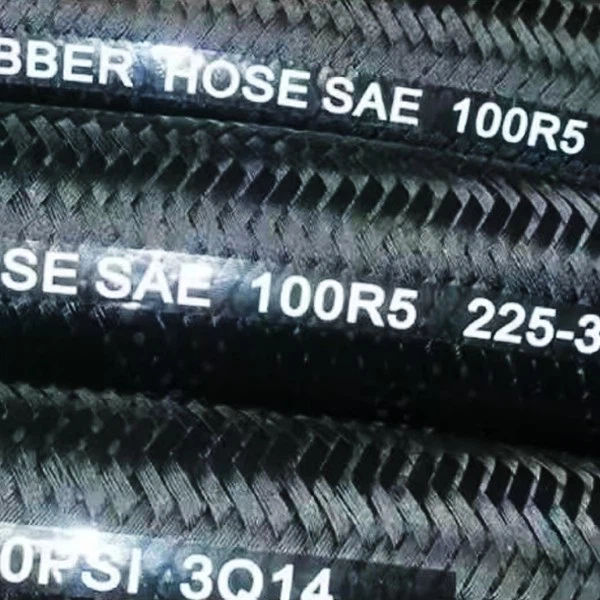
References
- SAE International Standards for Hydraulic Hoses
- Manufacturer's Specifications for SAE100 R5, Din En853 2sn, and SAE100 R17 Hoses