

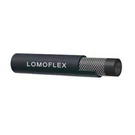
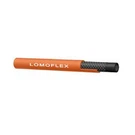


As a supplier of suction and discharge water hoses, I often encounter a common question from our clients: Can a suction and discharge water hose be used for high - temperature water? This is an important inquiry, as using the wrong hose for high - temperature applications can lead to premature hose failure, safety hazards, and operational inefficiencies. In this blog post, I will delve into this topic to provide you with a comprehensive answer.
Understanding Suction and Discharge Water Hoses
First, let's briefly understand what a suction and discharge water hose is. A Suction and Discharge Water Hose is a versatile piece of equipment used in various industries for the transportation of water. It can handle both the suction process (drawing water in) and the discharge process (pushing water out). These hoses are made of different materials, such as PVC, rubber, and polyurethane, each with their own set of properties and limitations.
General Temperature Limitations of Suction and Discharge Water Hoses
Most standard suction and discharge water hoses are designed for normal - temperature water applications. The typical temperature range for these hoses is between 0°C to 60°C (32°F to 140°F). This is because the materials used in these hoses are optimized for this temperature range to ensure their flexibility, durability, and integrity.
For instance, PVC hoses, which are commonly used due to their affordability and light weight, can become brittle at low temperatures and lose their shape and strength at high temperatures. If exposed to water above 60°C, the PVC may start to soften, leading to a reduction in the hose's pressure - bearing capacity. The hose walls may become thinner in certain areas, increasing the risk of bursting.
Rubber hoses, on the other hand, are more flexible and have better abrasion resistance. However, they also have their temperature limits. Natural rubber hoses can generally withstand temperatures up to around 65°C (149°F). Beyond this temperature, the rubber may start to degrade, losing its elasticity and becoming more prone to cracking.
Using Suction and Discharge Water Hoses for High - Temperature Water
In some cases, it may be possible to use a suction and discharge water hose for high - temperature water, but several conditions must be met.
Specialized Materials
There are hoses made from specialized materials that can withstand higher temperatures. For example, silicone - lined hoses are designed to handle temperatures up to 200°C (392°F) or even higher in some cases. Silicone has excellent heat resistance properties, allowing it to maintain its structure and performance under high - temperature conditions. Fluoroelastomers are another option for high - temperature applications. These materials can withstand extreme temperatures and are also resistant to chemicals, making them suitable for a wide range of harsh environments.
Temperature Rating
When considering using a hose for high - temperature water, it is crucial to check the temperature rating provided by the manufacturer. This rating indicates the maximum temperature at which the hose can safely operate without significant degradation. Using a hose beyond its temperature rating is extremely dangerous and can lead to catastrophic failures.
Hose Design and Construction
The design and construction of the hose also play a vital role in its ability to handle high - temperature water. Hoses with multiple layers or reinforcements are generally more resistant to heat. For example, a hose with a braided or spiraled reinforcement layer can better maintain its shape and pressure - bearing capacity under high - temperature conditions. Additionally, hoses with proper insulation can help reduce heat transfer to the outer layers, protecting the overall structure of the hose.
Risks of Using Standard Hoses for High - Temperature Water
Using a standard suction and discharge water hose that is not rated for high - temperature applications can pose several risks.
Hose Degradation
As mentioned earlier, the materials in standard hoses can degrade when exposed to high temperatures. This can lead to a loss of strength, flexibility, and sealing properties. The hose may start to leak, or in severe cases, burst, causing water spills and potential damage to equipment and the surrounding environment.


Safety Hazards
High - temperature water can cause burns if it comes into contact with the skin. If a hose fails due to overheating, it can result in the sudden release of high - temperature water, putting workers at risk of serious injuries. Moreover, a failed hose can disrupt operations, leading to downtime and financial losses.
Impact on Performance
A hose that is not suitable for high - temperature water may experience a significant reduction in its flow capacity. The softened or degraded materials can cause blockages or restrictions in the hose, reducing the efficiency of the water transfer process.
Alternatives for High - Temperature Water Applications
If you need to transfer high - temperature water, there are alternatives to standard suction and discharge water hoses.
Suction and Discharge Oil Hose
Some suction and discharge oil hoses are designed to handle high temperatures. These hoses are made from materials that are more resistant to heat and chemical degradation. They can be a good option if you need to transfer hot water in an environment where there may also be oil or other contaminants present.
High - Temperature Water Hoses
There are dedicated high - temperature water hoses available in the market. These hoses are specifically engineered to withstand the rigors of high - temperature water applications. They are made from advanced materials and have specialized designs to ensure optimal performance and safety.
Making an Informed Decision
When deciding whether to use a suction and discharge water hose for high - temperature water, it is important to consider the following factors:
- Temperature requirements: Determine the maximum temperature of the water that needs to be transferred. This will help you select a hose with an appropriate temperature rating.
- Application environment: Consider the surrounding environment, such as the presence of chemicals, abrasives, or mechanical stress. This will influence the choice of hose material and construction.
- Flow rate and pressure: Ensure that the hose can handle the required flow rate and pressure of the water transfer system.
Conclusion
In conclusion, while most standard suction and discharge water hoses are not suitable for high - temperature water applications, there are specialized hoses available that can safely handle elevated temperatures. As a supplier, we offer a wide range of suction and discharge hoses, including those designed for high - temperature use. If you are considering using a hose for high - temperature water, it is essential to consult with an expert to ensure that you select the right product for your specific needs.
If you have any questions about our suction and discharge water hoses or need help in choosing the right hose for your application, please feel free to reach out to us for a consultation. We are here to assist you in making an informed decision and ensuring the success of your water transfer operations.
References
- "Handbook of Industrial Hoses", Industrial Hose Association
- "Materials Science for Engineering Applications", John Wiley & Sons
- Technical documents provided by hose manufacturers