

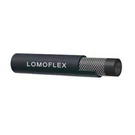
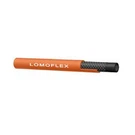


Hey there! As a supplier of rubber air hoses, I've seen firsthand how crucial it is to ensure the correct installation of rubber air hose couplings. A poorly installed coupling can lead to leaks, reduced efficiency, and even safety hazards. In this blog post, I'll share some tips on how to ensure the correct installation of a rubber air hose coupling.
First things first, let's talk about why proper installation matters. A rubber air hose coupling is what connects your air hose to various tools or equipment. If it's not installed correctly, air can leak out, which means your tools won't work as efficiently. This can lead to longer job times and higher energy costs.
Now, onto the steps for a proper installation. The very first step is to choose the right coupling for your hose. There are different types of couplings available, and each is designed for specific applications and hose sizes. Make sure you're using a coupling that's compatible with your Rubber Air Hose. Check the specifications of both the hose and the coupling to ensure they match up.
Once you've got the right coupling, you need to prepare the hose. Start by cleaning the end of the hose. Any dirt, debris, or oil on the hose end can prevent a good seal with the coupling. You can use a clean cloth or a mild solvent to clean the area. Make sure the hose end is completely dry before moving on.
Next, inspect the coupling for any damage. Look for cracks, chips, or other signs of wear. A damaged coupling won't work properly and can cause leaks. If you find any issues with the coupling, don't use it. Replace it with a new one right away.
Now it's time to start the actual installation process. If the coupling has a gasket, make sure it's properly seated in its groove. The gasket helps create a tight seal and prevents air from leaking out. Then, slide the coupling onto the hose end. It should fit snugly but not too tightly. If it's too difficult to slide on, you might have the wrong size coupling or the hose might need further cleaning.
If your coupling requires a clamp, place the clamp over the coupling where it meets the hose. Use a screwdriver or a clamp tool to tighten the clamp. Make sure it's tightened evenly around the circumference of the coupling. You don't want to overtighten it as it could damage the hose or the coupling. Just make sure it's tight enough to create a secure connection.
Another important thing to consider is the orientation of the coupling. Some couplings have a specific direction in which they need to be installed. This could be related to the flow of air or the way the coupling connects to other parts of the system. Always follow the manufacturer's instructions regarding the orientation.
After you've installed the coupling, it's a good idea to do a quick test. Apply a small amount of air pressure to the hose and check for any signs of leaks. You can use a soapy water solution and apply it to the connection area. If you see bubbles forming, it means there's a leak. In that case, you might need to disassemble the coupling, check for any issues like a misaligned gasket or a poorly tightened clamp, and then reinstall it.
It's also essential to maintain your couplings properly. Over time, the rubber in the coupling can degrade due to factors like exposure to heat, chemicals, or UV light. Regularly inspect your couplings for any signs of wear or damage. If you notice any problems, replace the coupling promptly.
When working with Fuel Oil Hose or Twin Welding Hose, similar installation principles apply, but you need to be extra careful. Fuel oil hoses require couplings that are resistant to fuel and can handle the specific pressures associated with fuel systems. Twin welding hoses need couplings that are designed to handle the high temperatures and pressures involved in welding processes.
In addition to following these steps, it's a good idea to have some basic knowledge about different types of couplings. For example, there are quick-connect couplings that allow for easy and fast connection and disconnection of the hose. These are great for applications where you need to frequently change tools or equipment.
Also, be aware of the different materials used in couplings. Some couplings are made of brass, which is durable and corrosion-resistant. Others might be made of plastic, which can be lighter and more affordable but might not be as strong as brass. Choose the material based on your specific needs and the environment in which the coupling will be used.
Lastly, if you're new to installing rubber air hose couplings or you're not sure about any step of the process, don't hesitate to ask for help. You can contact the manufacturer of the coupling or reach out to a professional in the field. There are also plenty of online resources, such as forums and videos, that can provide additional guidance.
To sum it all up, ensuring the correct installation of a rubber air hose coupling involves choosing the right coupling, preparing the hose, inspecting the coupling for damage, installing it correctly with proper orientation and tightening, testing for leaks, and maintaining it over time. By following these steps, you can ensure that your air hoses work efficiently and safely.


If you're in the market for high-quality rubber air hoses or other industrial hoses, we're here to help. We offer a wide range of products, including Rubber Air Hose, Fuel Oil Hose, and Twin Welding Hose. If you have any questions or would like to discuss your specific requirements, don't hesitate to get in touch with us. We're always happy to have a chat and help you find the right products for your needs.
References
- General knowledge from years of experience in the rubber air hose supply industry.
- Manufacturer's guidelines for rubber air hose couplings and hoses.