



Yo, folks! As a supplier of wire braid hoses, I often get asked about all sorts of technical stuff. One question that pops up a lot is, "What is the air permeability of a wire braid hose?" Well, let's dig into this topic and break it down in a way that's easy to understand.
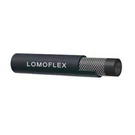
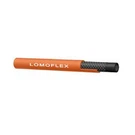
First off, what's a wire braid hose? It's a type of hose that consists of an inner tube, wire braid reinforcement layers, and an outer cover. The inner tube is usually made of synthetic rubber or other polymers, and it's designed to carry the fluid or gas. The wire braid layers provide strength and support to the hose, preventing it from bursting under pressure. The outer cover protects the hose from environmental factors like abrasion, sunlight, and chemicals.
Now, let's talk about air permeability. Air permeability is the ability of a material to allow air to pass through it. In the context of a wire braid hose, it refers to how easily air can leak through the hose walls. Why is this important? Well, if you're using a wire braid hose to transport gases or fluids under pressure, you don't want any air leaking out. Leakage can lead to a loss of pressure, reduced efficiency, and even potential safety hazards.
There are several factors that can affect the air permeability of a wire braid hose. One of the most important factors is the material of the inner tube. Different materials have different levels of air permeability. For example, some types of synthetic rubber may be more airtight than others. The thickness of the inner tube also plays a role. A thicker inner tube generally has lower air permeability than a thinner one.
The quality of the wire braid reinforcement can also impact air permeability. A well - made wire braid that is tightly woven and properly bonded to the inner tube can help to reduce air leakage. On the other hand, a loose or poorly bonded wire braid may allow air to seep through the gaps.
The outer cover can also contribute to the overall airtightness of the hose. A high - quality outer cover that is resistant to punctures and tears can help to protect the inner layers and prevent air from getting in or out.
At our place, we offer a wide range of wire braid hoses with different levels of air permeability to meet the diverse needs of our customers. For example, we have Din En857 1sc hoses. These hoses are designed for specific applications where low air permeability is crucial. They are made with high - quality materials and go through strict quality control processes to ensure they meet the required standards.
If you're looking for a hose with excellent performance in high - pressure environments, our Hydraulic Rubber Hose Sae100 R17 might be the right choice. It has a well - constructed inner tube and strong wire braid reinforcement, which helps to minimize air leakage.
Another popular option is the Sae100 R2at hose. It's known for its durability and relatively low air permeability, making it suitable for a variety of industrial applications.
Measuring the air permeability of a wire braid hose is not a straightforward process. There are several standard tests available, but they often require specialized equipment. The most common method involves applying a pressure differential across the hose wall and measuring the rate of air flow through the hose. This test can give you an accurate measure of the air permeability of the hose.
In real - world applications, the acceptable level of air permeability depends on the specific use of the hose. For example, in some precision - controlled pneumatic systems, even a tiny amount of air leakage can cause problems. In these cases, a hose with extremely low air permeability is required. On the other hand, in less critical applications, a slightly higher level of air permeability may be acceptable.
To ensure that our customers get the right hose for their needs, we work closely with them to understand their requirements. We can provide technical advice and help them select the most suitable hose based on factors like air permeability, pressure rating, temperature range, and chemical compatibility.


If you're in the market for wire braid hoses and want to know more about air permeability or any other technical aspects, don't hesitate to reach out. We're here to help you make the best choice for your application. Whether you're running a small workshop or a large industrial operation, we've got the hoses to meet your needs. So, let's start a conversation and see how we can work together to get you the perfect wire braid hose.
References:
- Industry Standards on Hydraulic and Pneumatic Hose Manufacturers
- Technical Manuals from Wire Braid Hose Materials Suppliers