



Can a suction and discharge water hose be used for water softening systems?
As a supplier of suction and discharge water hoses, I often encounter questions from customers about the suitability of our products for various applications. One common query is whether a suction and discharge water hose can be used for water softening systems. In this blog post, I will delve into this topic and provide a comprehensive answer based on my industry knowledge and experience.


First, let's understand what a water softening system is and how it works. A water softening system is designed to remove minerals such as calcium and magnesium from hard water, which can cause scale buildup in pipes, appliances, and fixtures. These systems typically use a process called ion exchange, where hard water passes through a resin bed containing sodium ions. The calcium and magnesium ions in the hard water are exchanged for sodium ions, resulting in softened water.
Now, let's consider the requirements for a hose to be used in a water softening system. The hose needs to be able to withstand the chemical environment within the system, including the presence of sodium chloride (salt) used in the regeneration process. It also needs to be resistant to corrosion and abrasion, as well as have good flexibility and durability to ensure long - term performance.
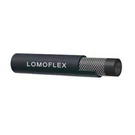
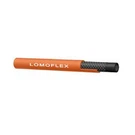
Suction and discharge water hoses, such as the ones available on our website Suction and Discharge Water Hose, are designed to handle a wide range of water - related applications. They are typically made from materials such as PVC (polyvinyl chloride), rubber, or a combination of both. These materials offer different properties that can be evaluated for use in water softening systems.
PVC hoses are known for their chemical resistance and relatively low cost. They can withstand a certain level of exposure to chemicals, including mild salts. However, in a water softening system where the concentration of sodium chloride can be relatively high during the regeneration process, PVC hoses may face some challenges. Prolonged exposure to high - salt solutions can cause the PVC to become brittle over time, reducing its flexibility and potentially leading to cracks or leaks.
On the other hand, rubber hoses generally offer better chemical resistance and durability. Natural rubber and synthetic rubber compounds can be formulated to resist the effects of salt and other chemicals. They also have excellent flexibility, which is beneficial for installation and movement within the water softening system. Rubber hoses can better withstand the mechanical stresses associated with suction and discharge operations, ensuring a more reliable performance.
When considering using a suction and discharge water hose in a water softening system, it is essential to check the hose's chemical compatibility. Most reputable hose manufacturers provide chemical resistance charts that indicate the suitability of their hoses for different chemicals and environments. By referring to these charts, you can determine if a particular hose material can withstand the conditions within a water softening system.
Another factor to consider is the hose's construction. A reinforced hose, which has an internal or external layer of reinforcement such as fabric or wire, is generally stronger and more resistant to pressure and abrasion. In a water softening system, where there may be some pressure fluctuations during the suction and discharge processes, a reinforced hose can provide added reliability.
It is also important to ensure that the hose meets relevant industry standards. For example, hoses used in potable water applications should comply with standards such as NSF/ANSI 61, which ensures that the hose materials do not leach harmful substances into the water. This is crucial in a water softening system, as the softened water is often used for drinking and other domestic purposes.
In some cases, a dedicated hose specifically designed for water softening systems may be the best option. These hoses are engineered to meet the unique requirements of such systems, including high - salt resistance and long - term durability. However, if a suitable suction and discharge water hose can be found that meets the chemical compatibility, construction, and standards requirements, it can be a cost - effective alternative.
In addition to the technical aspects, installation and maintenance also play a crucial role in the successful use of a hose in a water softening system. The hose should be installed correctly, with proper fittings and connections to prevent leaks. Regular inspection and maintenance, such as checking for signs of wear, corrosion, or damage, can help extend the hose's lifespan and ensure the proper functioning of the water softening system.
We also offer a range of suction and discharge oil hoses Suction and Discharge Oil Hose, which are not suitable for water softening systems due to their different design and chemical resistance requirements. It is important to choose the right type of hose for the specific application to avoid any potential issues.
In conclusion, a suction and discharge water hose can potentially be used for water softening systems, but careful consideration must be given to factors such as chemical compatibility, construction, and compliance with industry standards. As a supplier, we are committed to providing our customers with the best advice and products for their specific needs. If you are considering using a suction and discharge water hose in your water softening system, we encourage you to contact us for further guidance and to discuss your requirements. Our team of experts can help you select the most suitable hose and ensure a successful installation.
References:
- Industry knowledge and experience in the suction and discharge hose manufacturing and supply.
- Chemical resistance charts provided by hose manufacturers.
- Standards and regulations related to hose use in potable water applications.