

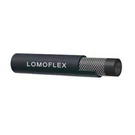
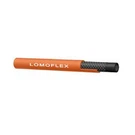


Can a twin welding hose be used for friction welding? This is a question that often arises among welding professionals and enthusiasts. As a twin welding hose supplier, I have encountered this query numerous times, and I believe it's crucial to provide an in - depth analysis to help clarify the situation.
Understanding Twin Welding Hoses
Twin welding hoses are commonly used in gas welding and cutting operations. They are designed to carry two different gases simultaneously, typically oxygen and acetylene. These hoses are constructed with a high - quality rubber or synthetic material that is resistant to abrasion, heat, and chemicals. The design of twin welding hoses ensures that the two gases remain separated within the hose, preventing any dangerous mixing.
The Oxygen Acetylene Hose is a prime example of a twin welding hose. It is specifically engineered to handle the unique requirements of oxygen and acetylene gases. The inner tubes of these hoses are made from materials that are compatible with the gases, and the outer cover provides protection against external damage.
Friction Welding: An Overview
Friction welding is a solid - state welding process that generates heat through mechanical friction between two workpieces. This heat softens the materials, and then pressure is applied to forge the two pieces together. Unlike traditional welding methods that involve melting the base materials, friction welding does not require a filler material. The process is known for its high - quality welds, fast production times, and energy efficiency.
There are different types of friction welding, such as linear friction welding, rotary friction welding, and friction stir welding. Each type has its own set of applications and advantages, but they all rely on the principle of friction - generated heat and subsequent forging.
Compatibility of Twin Welding Hoses with Friction Welding
At first glance, the idea of using a twin welding hose for friction welding may seem a bit far - fetched. Twin welding hoses are primarily used for gas - based welding processes, where the gases are used for combustion to generate the heat needed for welding. Friction welding, on the other hand, does not rely on gases for heat generation.
However, there are some aspects where twin welding hoses might still have a role in a friction welding setup. For example, in some friction welding machines, there may be a need for cooling systems. These cooling systems could use water or other coolants, and a Rubber Water Hose could be part of the twin welding hose setup if the twin hose is designed to carry both a coolant and another fluid or gas for ancillary functions.
In addition, if there are any fuel - powered components in the friction welding equipment, such as a generator or a heating element for pre - heating the workpieces, a Fuel Oil Hose within the twin welding hose arrangement could be used to supply the fuel.
Advantages of Using Twin Welding Hoses in Friction Welding (if applicable)
If a twin welding hose can be integrated into a friction welding system, there are several potential advantages. Firstly, the durability of twin welding hoses is a significant benefit. The high - quality rubber or synthetic materials used in their construction can withstand the harsh conditions often present in a welding environment, including high temperatures, mechanical stress, and exposure to chemicals.
Secondly, the design of twin welding hoses allows for the efficient delivery of multiple fluids or gases. This can simplify the plumbing and piping systems in a friction welding machine, reducing the number of individual hoses and connections. A well - designed twin welding hose can also reduce the risk of leaks, which is crucial for both safety and the proper functioning of the equipment.


Limitations and Considerations
Despite the potential advantages, there are also limitations and considerations when it comes to using twin welding hoses for friction welding. One of the main limitations is that the standard twin welding hoses are designed for gas welding applications, and their performance may not be optimized for the specific requirements of friction welding.
For example, the inner tube materials of twin welding hoses may not be suitable for the coolants or fuels used in friction welding equipment. The pressure ratings of the hoses may also need to be carefully evaluated. Friction welding machines may operate at different pressure levels compared to gas welding setups, and using a hose with an inappropriate pressure rating can lead to failures and safety hazards.
Another consideration is the temperature range. Twin welding hoses are typically rated for the temperatures associated with gas welding, which may be different from the temperatures encountered in friction welding, especially in areas near the welding interface where the heat is generated.
Case Studies and Real - World Examples
To further explore the feasibility of using twin welding hoses in friction welding, let's look at some real - world examples. In some small - scale friction welding operations, where a simple cooling system is used, a twin welding hose that includes a water - carrying section has been successfully integrated. The water is used to cool the machine components, and the other section of the twin hose can be used for a minor gas or fluid function, such as lubrication.
In larger industrial friction welding setups, however, specialized hoses are often preferred. These hoses are designed specifically for the unique requirements of friction welding, including high - pressure applications and compatibility with specific coolants and fuels.
Conclusion
In conclusion, while it is possible to use a twin welding hose in a friction welding setup under certain circumstances, it is not a straightforward or universal solution. The compatibility depends on the specific requirements of the friction welding machine, including the need for cooling, fuel supply, and other ancillary functions.
As a twin welding hose supplier, I understand the importance of providing the right products for different welding applications. If you are considering using a twin welding hose for friction welding, it is essential to carefully evaluate the requirements of your equipment and consult with a professional. Our team of experts is always ready to assist you in selecting the most suitable twin welding hose for your needs.
If you are interested in purchasing twin welding hoses or have any questions about their application in friction welding or other welding processes, please feel free to contact us for a detailed discussion. We can provide you with customized solutions based on your specific requirements.
References
-ASM Handbook Volume 6: Welding, Brazing, and Soldering. ASM International.
- Welding Handbook, American Welding Society.
- "Friction Welding: Fundamentals and Applications" by P. N. Rao.