



Can an air hose assembly be used for air - conditioning systems?
As a supplier of air hose assemblies, I often get asked whether our products can be used in air - conditioning systems. This is a valid question, considering the specific requirements and unique operating conditions of air - conditioning setups. In this blog, I'll delve into the technical aspects to provide a comprehensive answer.
Understanding Air Hose Assemblies
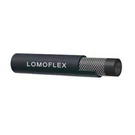
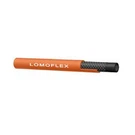
First, let's understand what an air hose assembly is. An Air Hose Assembly is a crucial component in many industrial and commercial applications. It typically consists of a hose, fittings, and sometimes additional components like couplings or valves. The hose is designed to carry compressed air from one point to another, and the fittings ensure a secure and leak - free connection.
Air hose assemblies come in various materials, including rubber, PVC, and polyurethane. Each material has its own set of properties, such as flexibility, durability, and resistance to heat, chemicals, and abrasion. The choice of material depends on the specific application and the environmental conditions in which the hose will operate.
Requirements of Air - Conditioning Systems
Air - conditioning systems have specific requirements that must be met for efficient and reliable operation. These systems work by circulating a refrigerant through a closed loop, which involves processes of compression, condensation, expansion, and evaporation. The refrigerant needs to be transported through the system in a controlled manner, and the components used must be able to withstand the pressure, temperature, and chemical properties of the refrigerant.
One of the key requirements is the ability to handle high - pressure differentials. Air - conditioning systems often operate at relatively high pressures, especially in the compression stage. The components must be able to maintain their integrity under these high - pressure conditions to prevent leaks and ensure proper system performance.
Another important factor is temperature resistance. Air - conditioning systems involve both hot and cold cycles. The refrigerant can reach high temperatures during compression and low temperatures during expansion. The components used in the system must be able to withstand these temperature variations without degrading or losing their functionality.
Chemical compatibility is also crucial. Refrigerants are often chemicals with specific properties, and the materials used in the air - conditioning system must be compatible with these chemicals. Incompatible materials can lead to corrosion, degradation, and ultimately, system failure.
Suitability of Air Hose Assemblies for Air - Conditioning Systems
Now, let's assess whether an air hose assembly can be used in air - conditioning systems.
Material Compatibility
Some air hose assemblies, especially those made of certain types of rubber or specialized polymers, may have good chemical compatibility with common refrigerants used in air - conditioning systems. For example, some synthetic rubbers are resistant to refrigerants like R - 410A, which is widely used in modern air - conditioning units. However, not all air hose materials are suitable. PVC hoses, for instance, may not be compatible with some refrigerants due to their chemical composition.
Pressure and Temperature Resistance
Air hose assemblies are designed to handle a range of pressures, but the high - pressure requirements of air - conditioning systems may exceed the capabilities of some standard air hoses. Specialized air hose assemblies can be designed to handle higher pressures, but it's essential to ensure that the chosen assembly has the appropriate pressure rating for the specific air - conditioning application.
In terms of temperature resistance, air - conditioning systems experience significant temperature fluctuations. Some air hose materials can withstand a wide range of temperatures, but again, it's crucial to select a hose that can handle the specific temperature extremes of the air - conditioning system. For example, if the system operates in a very hot environment, a hose with high - temperature resistance is necessary.
Leakage Prevention
Air - conditioning systems require a high level of leakage prevention to ensure efficient operation and to comply with environmental regulations. Air hose assemblies must have proper fittings and seals to prevent refrigerant leaks. High - quality air hose assemblies with precision - engineered fittings can provide a reliable seal, but it's important to ensure that the assembly is installed correctly.
Applications Where Air Hose Assemblies Can Be Used in Air - Conditioning
There are certain applications within air - conditioning systems where air hose assemblies can be used effectively.
Service and Maintenance
During the service and maintenance of air - conditioning systems, air hose assemblies can be used for tasks such as refrigerant charging and recovery. These tasks typically involve lower pressures and less demanding conditions compared to the normal operation of the air - conditioning system. A suitable air hose assembly can be used to connect the service equipment to the air - conditioning unit safely and efficiently.

Auxiliary Air Systems
Some air - conditioning systems may have auxiliary air systems, such as ventilation or air - purifying systems. Air hose assemblies can be used in these auxiliary systems to transport air, as the requirements for these systems are generally less stringent than those for the main refrigerant - handling components.
Considerations When Using Air Hose Assemblies in Air - Conditioning
If you're considering using an air hose assembly in an air - conditioning system, there are several important considerations.
Certification and Standards
Ensure that the air hose assembly meets the relevant industry standards and certifications for use in air - conditioning applications. These standards ensure that the assembly has been tested and approved for use with specific refrigerants and under certain operating conditions.
Proper Installation
Proper installation is crucial to ensure the performance and safety of the air hose assembly in an air - conditioning system. Follow the manufacturer's installation instructions carefully, and use the appropriate tools and techniques. Incorrect installation can lead to leaks, reduced performance, and even safety hazards.
Regular Inspection and Maintenance
Regular inspection and maintenance of the air hose assembly are necessary to ensure its continued performance. Check for signs of wear, damage, or leaks regularly, and replace any worn or damaged components promptly.
Conclusion
In conclusion, while not all air hose assemblies are suitable for air - conditioning systems, there are certain types that can be used effectively in specific applications. As a supplier of Air Hose Assembly, we offer a range of products that can be customized to meet the requirements of air - conditioning systems.
If you're in the market for air hose assemblies for your air - conditioning needs, we're here to help. Our team of experts can provide you with detailed information about our products, assist you in selecting the right assembly for your application, and offer support throughout the installation and maintenance process. Whether you're a service technician, an air - conditioning system installer, or a facility manager, we're committed to providing you with high - quality products and excellent customer service.
Contact us today to discuss your air hose assembly requirements for air - conditioning systems. We look forward to partnering with you to ensure the efficient and reliable operation of your air - conditioning systems.
References
- ASHRAE Handbook of Refrigeration. American Society of Heating, Refrigerating and Air - Conditioning Engineers.
- Manufacturer's specifications for air hose assemblies and air - conditioning system components.