





Static electricity is a common yet potentially hazardous issue in many industrial applications, especially when dealing with hydraulic hoses such as SAE100R1AT. As a trusted supplier of SAE100R1AT hydraulic hoses, I understand the importance of preventing static electricity problems to ensure the safety and efficiency of your operations. In this blog post, I will share some insights and practical tips on how to prevent static electricity issues when using SAE100R1AT hoses.
Understanding Static Electricity in Hydraulic Systems
Before we dive into the prevention strategies, it's essential to understand how static electricity is generated in hydraulic systems. When a fluid flows through a hose, friction occurs between the fluid and the inner wall of the hose. This friction can cause electrons to be transferred, resulting in the buildup of static charge on the hose. If the static charge accumulates to a high level, it can lead to electrostatic discharge (ESD), which may cause sparks, fires, or damage to sensitive electronic components in the system.
The Risks of Static Electricity with SAE100R1AT Hoses
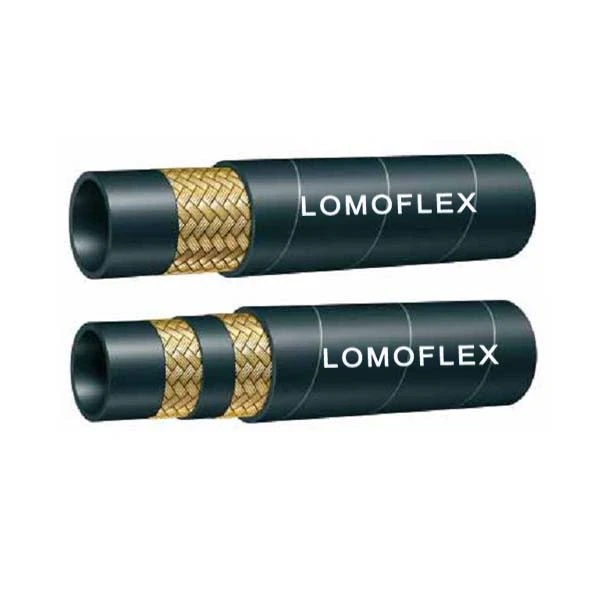
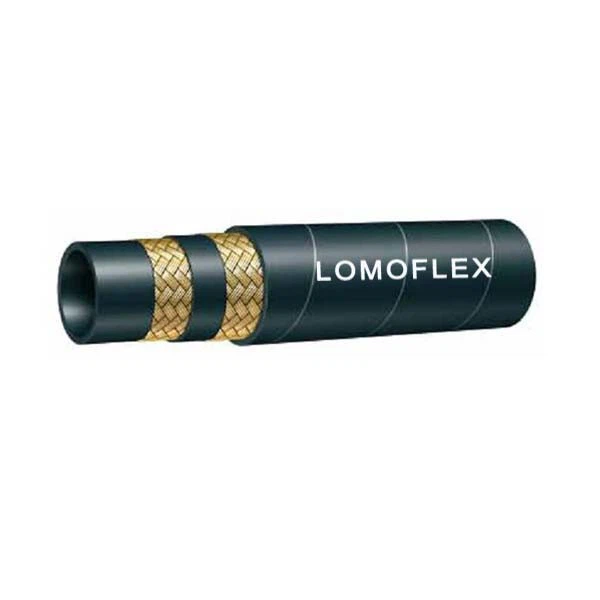
SAE100R1AT hoses are widely used in hydraulic applications due to their excellent flexibility and pressure resistance. However, they are also susceptible to static electricity problems, especially in high - flow or high - pressure systems. The consequences of static electricity in these hoses can be severe:
- Fire and Explosion Hazards: In environments where flammable substances are present, such as in chemical plants or oil refineries, an electrostatic spark can ignite the flammable materials, leading to a fire or explosion.
- Damage to Electronic Components: Modern hydraulic systems often incorporate sensitive electronic sensors and controls. A static discharge can damage these components, leading to system malfunctions and costly repairs.
- Reduced Hose Lifespan: The repeated buildup and discharge of static electricity can cause internal damage to the hose, such as cracking or delamination, which can significantly reduce the hose's lifespan.
Prevention Strategies
1. Select the Right Hose Material
The choice of hose material plays a crucial role in preventing static electricity problems. Some hose materials are more conductive than others. For SAE100R1AT hoses, look for those with an inner tube or cover made of a conductive rubber compound. Conductive rubber allows the static charge to dissipate to the ground, reducing the risk of static buildup. At our company, we offer SAE100R1AT hoses with conductive inner tubes to provide better static protection.
2. Grounding the Hose
Proper grounding is one of the most effective ways to prevent static electricity buildup. Ensure that the SAE100R1AT hose is properly grounded at both ends. This can be achieved by using grounding clamps or straps to connect the hose to a reliable ground source. The ground connection should be checked regularly to ensure its integrity. In addition, if the hydraulic system is installed in a mobile equipment, make sure the equipment itself is properly grounded.
3. Control the Fluid Flow Rate
High fluid flow rates can increase the friction between the fluid and the hose wall, leading to more static charge generation. Therefore, it's important to control the fluid flow rate within the recommended limits for the SAE100R1AT hose. Check the system design and make adjustments to the pump or valve settings if necessary to maintain a safe flow rate.
4. Use Antistatic Additives
Antistatic additives can be added to the hydraulic fluid to reduce the generation of static electricity. These additives work by reducing the surface tension of the fluid, which in turn reduces the friction between the fluid and the hose wall. Consult with a fluid supplier or an industry expert to determine the appropriate antistatic additive for your hydraulic system.
5. Regular Maintenance and Inspection
Regular maintenance and inspection of the SAE100R1AT hoses are essential to prevent static electricity problems. Check the hoses for signs of wear, damage, or contamination regularly. Replace any hoses that show signs of deterioration, as damaged hoses are more likely to generate static electricity. Also, clean the hoses periodically to remove any dirt or debris that may contribute to static buildup.
Comparing SAE100R1AT with Other Hydraulic Hoses
When considering the prevention of static electricity problems, it's also helpful to compare SAE100R1AT with other similar hydraulic hoses, such as Din En853 2sn and Sae100 R2at. While these hoses also have applications in hydraulic systems, they may have different static - protection characteristics.
Din En853 2sn hoses are known for their high - pressure performance and durability. They are often used in heavy - duty industrial applications. Similar to SAE100R1AT, they can also be susceptible to static electricity problems, and the prevention strategies mentioned above can also be applied.
Sae100 R2at hoses, on the other hand, have a higher pressure rating compared to SAE100R1AT. They are typically used in more demanding hydraulic systems. When using Sae100 R2at hoses, the same principles of static electricity prevention, such as proper grounding and material selection, should be followed.
Another relevant hose is the Hydraulic Rubber Hose Sae100 R17. It has its own unique features and applications. By understanding the differences between these hoses, you can make more informed decisions about which hose to use in your specific application and how to prevent static electricity problems effectively.
Conclusion
Preventing static electricity problems with SAE100R1AT hoses is crucial for the safety and reliability of your hydraulic systems. By understanding the causes and risks of static electricity, and implementing the prevention strategies mentioned above, you can minimize the potential for static - related issues.
As a supplier of high - quality SAE100R1AT hoses, I am committed to providing you with the best products and advice to meet your hydraulic system needs. If you have any questions about preventing static electricity problems or are interested in purchasing our SAE100R1AT hoses, please feel free to contact us. We are here to help you make the right choices and ensure the smooth operation of your hydraulic systems.
References
- "Hydraulic Hose and Fittings Handbook", by an industry expert (Publisher details)
- Technical documents from relevant hose manufacturers on SAE100R1AT and similar hoses.