



What are the environmental impacts of using SAE100R1AT?
Hey there! I'm a supplier of SAE100R1AT hoses, and I often get asked about the environmental impacts of these products. So, I thought I'd take a deep - dive into this topic and share what I know.
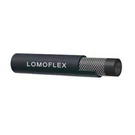
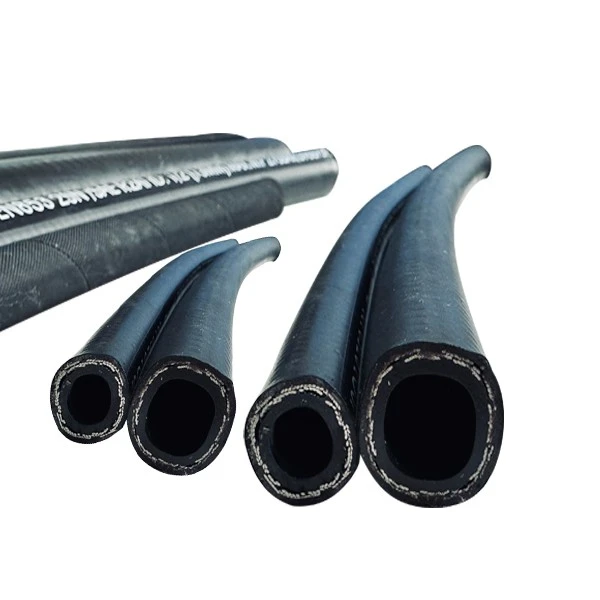
First off, let's understand what SAE100R1AT is. It's a type of hydraulic hose that's widely used in various industries, like construction, agriculture, and manufacturing. These hoses are designed to handle hydraulic fluids under pressure, making them crucial for the smooth operation of many machines.
Material Sourcing and Extraction
The production of SAE100R1AT hoses starts with the sourcing of raw materials. The outer cover is usually made of synthetic rubber, which is derived from petrochemicals. The extraction of these petrochemicals is a major environmental concern. Oil and gas drilling operations can cause significant damage to ecosystems. They can lead to habitat destruction, soil erosion, and water pollution. For instance, oil spills during extraction can contaminate water bodies, killing fish and other aquatic life.
The inner tube of the SAE100R1AT hose may also be made of synthetic rubber or other polymers. The production of these polymers often involves energy - intensive processes that rely on fossil fuels. This not only contributes to greenhouse gas emissions but also depletes non - renewable resources.
Manufacturing Process
The manufacturing of SAE100R1AT hoses is a complex process that requires a lot of energy. Factories need to heat, mold, and cure the rubber components. Most of the energy used in these processes comes from burning fossil fuels, such as coal and natural gas. As a result, a large amount of carbon dioxide and other pollutants are released into the atmosphere.
Moreover, the manufacturing process generates waste materials. There are scraps of rubber and other by - products that need to be disposed of properly. If not managed well, these wastes can end up in landfills, where they may take a long time to decompose. Some of the chemicals used in the manufacturing process can also leach into the soil and groundwater, posing a risk to the environment and human health.
Usage and Leakage
During their service life, SAE100R1AT hoses are subject to wear and tear. Over time, they may develop leaks. Hydraulic fluids that leak from these hoses can contaminate the soil and water. These fluids often contain additives and chemicals that are harmful to the environment. For example, some hydraulic fluids contain heavy metals and toxic substances that can accumulate in the food chain.
In addition, if a leak occurs in a machine that's operating in a sensitive environment, such as a wetland or a forest, the impact can be even more severe. The leaked fluid can damage the local ecosystem, killing plants and animals and disrupting the natural balance.

End - of - Life Disposal
When SAE100R1AT hoses reach the end of their useful life, they need to be disposed of. Most of these hoses end up in landfills. Rubber is a material that decomposes very slowly, so hoses in landfills can take hundreds of years to break down. This not only takes up valuable landfill space but also means that the potential environmental hazards of the rubber and any remaining hydraulic fluids persist for a long time.
Some recycling options are available, but they are not always easy to implement. Recycling rubber requires specialized equipment and processes, and the economic viability of recycling SAE100R1AT hoses can be low. As a result, a large proportion of these hoses are not recycled.
Comparing with Other Hydraulic Hoses
It's also interesting to compare the environmental impacts of SAE100R1AT with other types of hydraulic hoses. For example, the Sae100 R2at has a different construction and may have different environmental characteristics. The Din En853 1sn and Sae100 R5 are also other alternatives in the market. Each of these hoses has its own set of raw materials and manufacturing processes, which in turn affect their environmental footprints.
Mitigating the Environmental Impacts
As a supplier, I'm aware of these environmental issues, and I'm always looking for ways to mitigate them. One approach is to work with manufacturers who are committed to sustainable production. This includes using more energy - efficient manufacturing processes, reducing waste, and sourcing raw materials from more sustainable sources.
Another option is to promote the proper maintenance and repair of SAE100R1AT hoses. By ensuring that hoses are well - maintained, we can reduce the likelihood of leaks and extend their service life. This not only reduces the need for frequent replacements but also minimizes the amount of waste generated.
We can also explore better end - of - life management solutions. This could involve partnering with recycling facilities to improve the recycling rate of SAE100R1AT hoses. Additionally, we can educate our customers about the environmental impacts of these hoses and encourage them to make more sustainable choices.
Conclusion
In conclusion, the use of SAE100R1AT hoses does have several environmental impacts, from the sourcing of raw materials to the end - of - life disposal. However, by taking proactive measures, we can reduce these impacts and make the use of these hoses more sustainable.
If you're in the market for SAE100R1AT hoses or want to learn more about how we're addressing these environmental concerns, feel free to reach out and start a conversation. We're here to help you find the best solutions for your needs while also being mindful of the environment.
References
- "Environmental Impact Assessment of Rubber Production", Journal of Environmental Science and Technology
- "Hydraulic Hose Systems: Design, Maintenance, and Environmental Considerations", Industrial Machinery Handbook