

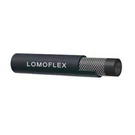
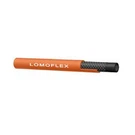


When it comes to high - precision welding, the choice of welding hoses plays a crucial role. As a twin welding hose supplier, I've had numerous discussions with welders, engineers, and industry experts about the suitability of twin welding hoses for high - precision welding. In this blog, I'll delve into the characteristics of twin welding hoses, their advantages and disadvantages in high - precision welding scenarios, and provide a comprehensive analysis to help you make an informed decision.
Understanding Twin Welding Hoses
Twin welding hoses are designed to carry two different gases simultaneously, typically oxygen and acetylene, which are commonly used in welding processes. These hoses are constructed with two separate inner tubes encased within a single outer cover. The design not only simplifies the setup by reducing the number of hoses needed but also ensures that the gases remain separate until they reach the welding torch.
The construction of twin welding hoses is a key factor in their performance. High - quality twin welding hoses are made from durable materials such as rubber or synthetic polymers. These materials are resistant to abrasion, heat, and chemicals, which are common hazards in welding environments. For example, our Oxygen Acetylene Hose is engineered to withstand the rigors of daily use, providing a reliable and long - lasting solution for welding operations.
Advantages of Twin Welding Hoses in High - Precision Welding
1. Consistent Gas Flow
One of the primary requirements for high - precision welding is a consistent and stable gas flow. Twin welding hoses are designed to maintain a uniform pressure and flow rate for both gases. This consistency is essential for achieving precise control over the welding arc, which directly impacts the quality of the weld. With a steady gas supply, welders can create clean, smooth, and accurate welds, reducing the likelihood of defects such as porosity or uneven bead formation.
2. Space - Saving Design
In high - precision welding applications, workspace is often limited. Twin welding hoses offer a space - saving solution by combining two hoses into one. This not only reduces clutter but also makes it easier to maneuver the welding torch. With fewer hoses to manage, welders can focus more on the welding task at hand, improving their efficiency and precision.
3. Ease of Installation and Maintenance
Twin welding hoses are relatively easy to install compared to using two separate hoses. The single outer cover simplifies the routing process, and the integrated design reduces the number of connections, minimizing the risk of gas leaks. Additionally, maintenance is more straightforward as there is only one hose to inspect and replace if necessary. This ease of use translates into less downtime and increased productivity in high - precision welding operations.
Disadvantages of Twin Welding Hoses in High - Precision Welding
1. Limited Flexibility in Some Cases
While twin welding hoses offer many benefits, they may have limitations in terms of flexibility. The combined design can make the hose stiffer compared to single hoses, especially in colder temperatures. This reduced flexibility can be a challenge when working in tight spaces or when precise positioning of the welding torch is required. However, advancements in hose technology have led to the development of more flexible twin welding hoses, which can mitigate this issue to some extent.
2. Potential for Cross - Contamination
Although twin welding hoses are designed to keep the two gases separate, there is a small risk of cross - contamination if the inner tubes are damaged. In high - precision welding, even a minor amount of cross - contamination can affect the quality of the weld. To minimize this risk, it is essential to regularly inspect the hoses for any signs of wear or damage and replace them if necessary.
Factors to Consider When Using Twin Welding Hoses for High - Precision Welding
1. Hose Diameter and Length
The diameter and length of the twin welding hose can significantly impact the gas flow and pressure. For high - precision welding, it is crucial to choose the appropriate hose diameter based on the welding equipment and the required gas flow rate. A hose that is too small in diameter can restrict the gas flow, while a hose that is too large may result in inconsistent pressure. Similarly, the length of the hose should be carefully considered to ensure that the gas reaches the welding torch with the desired pressure and flow rate.
2. Compatibility with Welding Equipment
Not all twin welding hoses are compatible with every type of welding equipment. It is essential to ensure that the hose is designed to work with the specific welding torch, regulator, and other components in your setup. Using an incompatible hose can lead to poor performance, gas leaks, and even safety hazards. Before purchasing a twin welding hose, consult the equipment manufacturer's specifications to ensure a proper fit.


3. Environmental Conditions
The environmental conditions in which the welding takes place can also affect the performance of twin welding hoses. Extreme temperatures, humidity, and exposure to chemicals can degrade the hose material over time. For example, in a hot and humid environment, the rubber material of the hose may become soft and more prone to damage. In such cases, it may be necessary to choose a hose with enhanced resistance to environmental factors, such as our Fuel Oil Hose, which is designed to withstand harsh conditions.
Conclusion
In conclusion, twin welding hoses can be a suitable option for high - precision welding, offering several advantages such as consistent gas flow, space - saving design, and ease of installation and maintenance. However, they also have some limitations, including reduced flexibility in certain situations and the potential for cross - contamination. By carefully considering the factors mentioned above, welders can determine whether twin welding hoses are the right choice for their specific high - precision welding applications.
If you are in the market for high - quality twin welding hoses or need further advice on choosing the right hose for your welding needs, I encourage you to contact us. Our team of experts is ready to assist you in selecting the most suitable products and providing you with the support you need to achieve optimal welding results. Whether you are working on a small - scale precision project or a large - scale industrial welding operation, we have the solutions to meet your requirements.
References
- Welding Handbook, American Welding Society
- Industrial Hose Selection Guide, Hose Manufacturers Institute