



When it comes to the question "Are wire spiral hoses safe to use?", a comprehensive understanding is crucial, especially if you're considering using these hoses in various industrial applications. As a wire spiral hose supplier, I am well - versed in the safety aspects of these products and am keen to share in - depth knowledge with you.
Understanding Wire Spiral Hoses
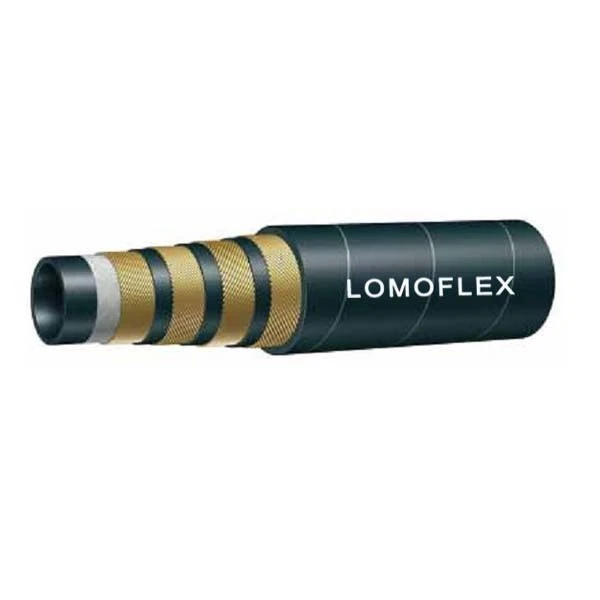
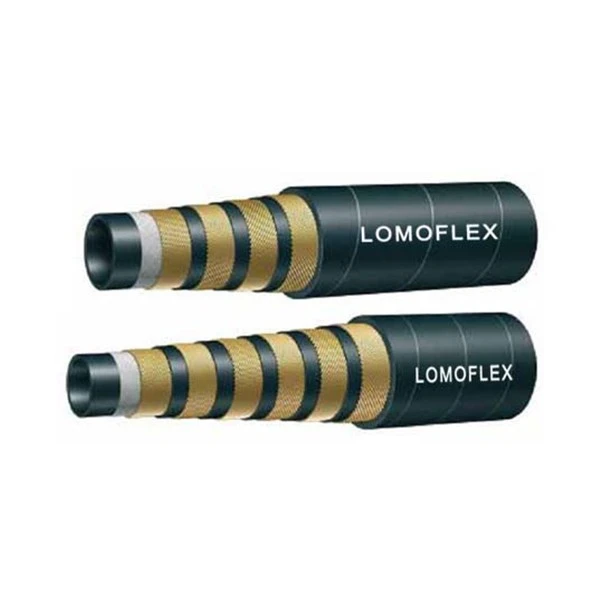
Wire spiral hoses are a vital component in many industries, including automotive, construction, and manufacturing. They are designed to handle high - pressure fluid transfer, such as hydraulic oil in heavy - machinery. The basic structure of a wire spiral hose consists of an inner tube, one or more layers of wire spirals, and an outer cover.
The inner tube is typically made from synthetic rubber or a thermoplastic material, which is in direct contact with the fluid being transported. It needs to be compatible with the fluid to prevent any chemical reactions, leakage, or degradation. For example, if you're using a wire spiral hose to transfer petroleum - based hydraulic oil, the inner tube should be resistant to oil.
The wire spirals, usually made of high - strength steel, provide the hose with the ability to withstand high pressures. The number of wire spiral layers can vary depending on the hose's pressure rating. More layers generally mean higher pressure resistance.
The outer cover protects the inner components from external factors such as abrasion, weather, and chemicals. It is often made of a durable rubber compound.
Safety Factors of Wire Spiral Hoses
Pressure Rating
One of the most important factors in determining the safety of wire spiral hoses is their pressure rating. Each hose is designed to handle a specific maximum working pressure. Exceeding this pressure can lead to catastrophic failure, including hose rupture. As a supplier, we ensure that all our hoses, such as the Sae100 R13, Sae100 R12, and Din En856 4sh, are clearly labeled with their pressure ratings. It's essential for users to select the right hose based on the actual pressure requirements of their applications.
Compatibility with Fluids
As mentioned earlier, the inner tube of the wire spiral hose must be compatible with the fluid it is transporting. Incompatible fluids can cause the inner tube to swell, crack, or dissolve, leading to leakage. For instance, if a hose designed for water - based fluids is used to carry petroleum - based fluids, the inner tube may degrade over time. To ensure safety, we provide detailed information about the fluid compatibility of our hoses so that customers can make the right choices.
Temperature Resistance
Wire spiral hoses are often exposed to a wide range of temperatures. Extreme temperatures can affect the performance of the hose materials. At high temperatures, the rubber components may soften, reducing the hose's pressure - holding capacity. At low temperatures, the materials may become brittle and prone to cracking. Our hoses are engineered to have a specified temperature range, and customers should operate within this range to maintain safety.
Installation and Maintenance
Proper installation is crucial for the safe use of wire spiral hoses. Incorrect installation, such as improper bending or kinking of the hose, can lead to stress concentrations and premature failure. The hose should be installed with the correct fittings and at the appropriate angles.
Regular maintenance is also essential. Inspections for signs of wear, such as abrasion on the outer cover, bulges, or leaks, should be carried out periodically. Any damaged hoses should be replaced immediately to prevent safety hazards.
Industry Standards and Certifications
To ensure the safety of wire spiral hoses, various industry standards have been established. For example, the SAE standards (such as Sae100 R13 and Sae100 R12) and the DIN EN856 standards (like Din En856 4sh) define the requirements for the design, construction, and performance of hydraulic hoses. These standards cover aspects such as pressure ratings, burst pressure, fluid compatibility, and environmental resistance.
Hoses that meet these standards have undergone rigorous testing to ensure their safety and reliability. As a supplier, we adhere to these standards and ensure that all our products are fully compliant. Certifications from recognized organizations further validate the quality and safety of our wire spiral hoses.
Case Studies
Let's consider some real - world examples to illustrate the importance of using safe wire spiral hoses. In a construction site, a heavy - duty crane uses hydraulic wire spiral hoses to operate its lifting mechanism. If a low - quality or inappropriate hose is used, and it fails due to high pressure or fluid incompatibility, it can lead to the crane malfunctioning. This not only causes downtime but also poses a significant safety risk to the operators and workers on the site.
On the other hand, in an automotive manufacturing plant, wire spiral hoses are used for the hydraulic systems of robotic arms. High - quality, safe hoses ensure smooth and reliable operation, reducing the risk of production disruptions and accidents.
Factors Affecting Safety in Different Environments
High - Vibration Environments
In environments with high vibrations, such as mining equipment or some industrial machinery, the hoses are subjected to continuous mechanical stress. This can cause the wire spirals to fatigue and the outer cover to wear more quickly. To address this, our hoses are designed with additional reinforcement and vibration - resistant features to ensure long - term safety.
Outdoor and Harsh Environments
Outdoor applications expose wire spiral hoses to harsh weather conditions, including UV radiation, rain, and extreme temperatures. These factors can degrade the outer cover and the inner components of the hose. Our hoses for outdoor use have special UV - resistant and weather - proof outer covers to withstand these conditions and maintain safety.
Conclusion
In conclusion, wire spiral hoses can be very safe to use when selected, installed, and maintained correctly. As a wire spiral hose supplier, we are committed to providing high - quality products that meet or exceed industry standards. We understand the importance of safety in various applications, and we strive to offer hoses that are reliable, durable, and safe.
If you are looking for wire spiral hoses for your specific application, feel free to contact us for more information. We can help you select the right hose based on your pressure requirements, fluid type, temperature range, and environmental conditions. Our team of experts is always ready to assist you in making the best purchasing decisions. Engage in a procurement discussion with us to get the most suitable wire spiral hoses for your business needs.
References
- Industry guidelines for hydraulic hoses, SAE International.
- Standards for hydraulic fluid power hoses, DIN EN 856 series.
- Technical manuals on wire spiral hoses from major manufacturers.