



As a supplier of SAE100 R5 hydraulic hoses, I often receive inquiries from customers about the suitability of this product for stationary equipment. This blog post aims to delve into the technical aspects and practical considerations to answer the question: Can SAE100 R5 be used in stationary equipment?
Understanding SAE100 R5 Hydraulic Hoses
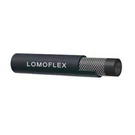
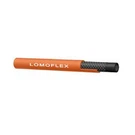
SAE100 R5 is a type of hydraulic hose designed to meet specific industry standards. It is a medium - pressure hose with a single - wire braid reinforcement. The inner tube of SAE100 R5 hoses is typically made of oil - resistant synthetic rubber, which is capable of withstanding the hydraulic fluids commonly used in industrial applications. The outer cover is also made of synthetic rubber, providing protection against abrasion, weathering, and ozone.
The construction of SAE100 R5 hoses gives them certain mechanical properties. They have a relatively high flexibility compared to some other high - pressure hoses, which makes them easier to install in various configurations. The single - wire braid reinforcement provides sufficient strength to handle medium - pressure hydraulic systems, usually up to around 172 bar (2500 psi).
Advantages of Using SAE100 R5 in Stationary Equipment
Cost - Effectiveness
One of the primary advantages of using SAE100 R5 hoses in stationary equipment is cost - effectiveness. Compared to more heavy - duty hoses like Hydraulic Rubber Hose Sae100 R16, which are designed for high - pressure applications, SAE100 R5 hoses are generally less expensive. For stationary equipment that operates at medium pressures, using SAE100 R5 can significantly reduce the overall cost of the hydraulic system without sacrificing too much in terms of performance.


Flexibility and Ease of Installation
Stationary equipment often has limited space for hose routing. The flexibility of SAE100 R5 hoses allows them to be easily bent and routed around obstacles within the equipment. This ease of installation can save time and labor costs during the initial setup of the hydraulic system. Additionally, the relatively lightweight nature of these hoses makes them more manageable for technicians working on the equipment.
Compatibility with Hydraulic Fluids
SAE100 R5 hoses are compatible with a wide range of hydraulic fluids, including mineral oils, water - glycols, and some synthetic fluids. This compatibility makes them a versatile choice for stationary equipment that may use different types of hydraulic fluids depending on the application requirements.
Considerations When Using SAE100 R5 in Stationary Equipment
Pressure Requirements
While SAE100 R5 hoses are suitable for medium - pressure applications, it is crucial to accurately assess the pressure requirements of the stationary equipment. If the equipment operates at pressures higher than the rated pressure of the SAE100 R5 hose, it can lead to hose failure, which may result in leaks, system downtime, and potential safety hazards. Therefore, a detailed analysis of the hydraulic system's pressure profile is necessary before selecting SAE100 R5 hoses.
Environmental Conditions
Stationary equipment can be exposed to various environmental conditions, such as extreme temperatures, humidity, and chemical exposure. The outer cover of SAE100 R5 hoses provides some protection against these factors, but in harsh environments, additional precautions may be required. For example, in high - temperature environments, hoses may need to be insulated or shielded to prevent the rubber from deteriorating. In chemically aggressive environments, it is important to ensure that the hose material is resistant to the specific chemicals present.
Vibration and Movement
Although stationary equipment is generally considered to have less movement compared to mobile equipment, there may still be some vibration and minor movement within the system. SAE100 R5 hoses should be properly secured to prevent excessive movement, which can cause wear and tear on the hoses over time. Adequate hose clamps and supports should be used to ensure the hoses remain in place and are not subjected to unnecessary stress.
Comparison with Other Hose Types
SAE100 R5 vs. Din En853 1sn
The DIN EN853 1SN is another single - wire - braid hydraulic hose. While both SAE100 R5 and DIN EN853 1SN are designed for medium - pressure applications, there are some differences in their specifications. The DIN standard may have different requirements for parameters such as hose dimensions, pressure ratings, and material properties. In some cases, the DIN EN853 1SN may be more suitable for European - designed stationary equipment due to its compliance with European standards. However, SAE100 R5 is more commonly used in North American and some international markets.
SAE100 R5 vs. Din En857 2sc
The DIN EN857 2SC is a double - wire - braid hydraulic hose designed for higher - pressure applications compared to SAE100 R5. If the stationary equipment requires a higher pressure rating than what SAE100 R5 can provide, then the DIN EN857 2SC may be a better choice. However, the double - wire - braid construction of the DIN EN857 2SC makes it stiffer and more expensive than SAE100 R5. So, for medium - pressure applications, SAE100 R5 offers a more balanced solution in terms of cost and performance.
Case Studies
Agricultural Stationary Equipment
In agricultural stationary equipment such as irrigation pumps and grain handling systems, SAE100 R5 hoses have been widely used. These systems typically operate at medium pressures, and the cost - effectiveness and flexibility of SAE100 R5 hoses make them an ideal choice. For example, in an irrigation pump system, the SAE100 R5 hoses can be easily routed around the pump and other components, and their compatibility with water - based hydraulic fluids ensures reliable operation.
Industrial Manufacturing Equipment
In some industrial manufacturing equipment, such as small - scale presses and conveyors, SAE100 R5 hoses are also commonly used. These machines often have medium - pressure hydraulic systems, and the ease of installation and cost - savings provided by SAE100 R5 hoses make them a practical option. However, in more complex manufacturing processes where higher pressures or more stringent environmental requirements exist, other hose types may be more appropriate.
Conclusion
In conclusion, SAE100 R5 can be used in stationary equipment, but careful consideration must be given to the specific requirements of the equipment. If the stationary equipment operates at medium pressures, has moderate environmental conditions, and requires a cost - effective and flexible hose solution, SAE100 R5 is a viable option. However, for high - pressure applications, extreme environmental conditions, or where strict compliance with certain standards is necessary, other hose types may be more suitable.
If you are considering using SAE100 R5 hoses for your stationary equipment or have any questions about our products, we encourage you to contact us for further information and to initiate a procurement discussion. Our team of experts is ready to assist you in selecting the right hydraulic hose for your specific needs.
References
- Hydraulic Institute Standards.
- Society of Automotive Engineers (SAE) standards for hydraulic hoses.
- DIN standards for hydraulic hoses.