

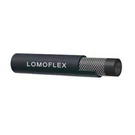
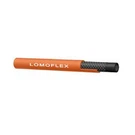


The water absorption rate of a rubber hose is a crucial parameter that significantly impacts its performance and durability, especially in applications where the hose comes into contact with water. As a trusted rubber hose supplier, we understand the importance of this characteristic and its implications for various industries. In this blog, we will delve into the concept of water absorption rate, its influencing factors, and its significance in the context of our rubber hoses.
Understanding Water Absorption Rate
Water absorption rate refers to the amount of water a rubber hose can absorb over a specific period under defined conditions. It is typically expressed as a percentage of the hose's original weight. When a rubber hose is exposed to water, the water molecules penetrate the rubber matrix through a process called diffusion. The degree of water absorption depends on several factors, including the rubber compound, the structure of the hose, and the environmental conditions.
Factors Affecting Water Absorption Rate
Rubber Compound
The type of rubber used in the hose construction plays a vital role in determining its water absorption rate. Different rubber materials have varying chemical structures and polarities, which affect their affinity for water. For example, natural rubber (NR) has a relatively high water absorption rate due to its polar nature and the presence of unsaturated double bonds in its molecular structure. These double bonds can react with water molecules, leading to increased water uptake.
On the other hand, synthetic rubbers such as ethylene propylene diene monomer (EPDM) and chloroprene rubber (CR) generally have lower water absorption rates. EPDM has a non - polar backbone and good resistance to water, ozone, and weathering. Chloroprene rubber also offers excellent resistance to water, oil, and chemicals, making it suitable for applications where water exposure is a concern.
Hose Structure
The structure of the rubber hose can also influence its water absorption rate. A hose with multiple layers may have different water absorption characteristics compared to a single - layer hose. For instance, if the inner layer of a multi - layer hose is made of a rubber material with high water resistance, it can act as a barrier and reduce the overall water absorption of the hose. Additionally, the presence of reinforcement layers, such as fabric or wire, can affect the diffusion path of water molecules through the hose, potentially altering the water absorption rate.
Environmental Conditions
The environmental conditions under which the rubber hose is used have a significant impact on its water absorption rate. Factors such as temperature, humidity, and the duration of water exposure can all influence the amount of water absorbed by the hose. Higher temperatures generally increase the mobility of water molecules and the diffusion rate, leading to a higher water absorption rate. Similarly, prolonged exposure to high - humidity environments or direct contact with water for extended periods can result in increased water uptake by the hose.
Significance of Water Absorption Rate in Rubber Hoses
Performance Degradation
Excessive water absorption can lead to performance degradation of the rubber hose. When a hose absorbs water, it can swell, which may cause changes in its dimensions and mechanical properties. Swelling can lead to a decrease in the hose's flexibility, making it more difficult to bend and install. It can also affect the hose's pressure - bearing capacity, potentially leading to leaks or failures under pressure.
Corrosion and Aging
Water absorption can also accelerate the corrosion of any metal components within the hose, such as fittings or reinforcement wires. The presence of water can create an environment conducive to oxidation and rust formation, which can weaken the hose structure over time. Moreover, water can promote the growth of microorganisms, such as bacteria and fungi, on the surface of the hose, leading to further degradation and potential health hazards in applications where the hose is used for transporting potable water.
Application Suitability
The water absorption rate is an important consideration when selecting a rubber hose for a specific application. For example, in applications where the hose needs to be in constant contact with water, such as Rubber Water Hose, a low water absorption rate is essential to ensure long - term performance and durability. In contrast, in some industrial applications where the hose is only exposed to water intermittently, a slightly higher water absorption rate may be acceptable as long as it does not significantly affect the hose's performance.
Our Rubber Hoses and Water Absorption
At our company, we offer a wide range of rubber hoses with varying water absorption rates to meet the diverse needs of our customers. Our Twin Welding Hose is designed to withstand the harsh conditions of welding applications, where water exposure may occur. We use high - quality rubber compounds with low water absorption rates to ensure the hose's integrity and performance over time.
Our Rubber Air Hose is another product that benefits from our focus on water absorption control. In pneumatic systems, water can cause problems such as corrosion in the air lines and damage to the equipment. By using rubber materials with low water absorption, we ensure that our air hoses maintain their performance and reliability in the presence of moisture.
Conclusion
In conclusion, the water absorption rate of a rubber hose is a critical factor that affects its performance, durability, and suitability for various applications. Understanding the factors that influence water absorption and its implications is essential for selecting the right rubber hose for your specific needs. As a leading rubber hose supplier, we are committed to providing high - quality hoses with optimal water absorption characteristics. Whether you need a hose for water transfer, welding, or pneumatic applications, we have the expertise and products to meet your requirements.


If you are interested in learning more about our rubber hoses or would like to discuss your specific needs, please feel free to contact us. Our team of experts is ready to assist you in finding the perfect solution for your application.
References
- "Handbook of Rubber Technology" by A. Y. Coran
- "Rubber Chemistry and Technology" published by the American Chemical Society