

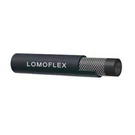
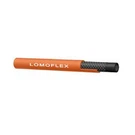


Hey there! As a supplier of textile braid hoses, I often get asked, "Can textile braid hose be bent easily?" Well, let's dive right into this topic and find out.
First off, let's understand what textile braid hoses are. These hoses are made by reinforcing a tube with one or more layers of textile braid. The textile material can be things like polyester, nylon, or other synthetic fibers. This construction gives the hose certain properties that affect its flexibility and bendability.
One of the key factors that determine how easily a textile braid hose can be bent is the type of textile used in the braid. Different textiles have different levels of stiffness and elasticity. For example, polyester is known for its good strength and moderate flexibility. Hoses with a polyester braid can usually be bent to a reasonable degree without much hassle. On the other hand, some nylon-based braids might offer a bit more stiffness, which could make bending a bit more challenging, but still doable in most cases.
The number of braid layers also plays a significant role. A single-braid textile hose is generally more flexible than a double-braid or multi-braid hose. The extra layers in a multi-braid hose add to its strength and pressure resistance, but they also make it a bit stiffer. So, if you need a hose that can be bent easily, a single-braid option might be your best bet.
Another aspect to consider is the diameter of the hose. Smaller diameter textile braid hoses are typically easier to bend than larger ones. This is because the smaller the diameter, the less material there is to manipulate when bending. For instance, a 1/4-inch diameter hose will be much more flexible and easier to bend around tight corners compared to a 1-inch diameter hose.
Now, let's talk about the applications. In many industrial and automotive applications, the ability to bend the hose easily is crucial. For example, in hydraulic systems, hoses need to be routed around various components and machinery. A hose that can be bent easily makes the installation process much simpler and more efficient.
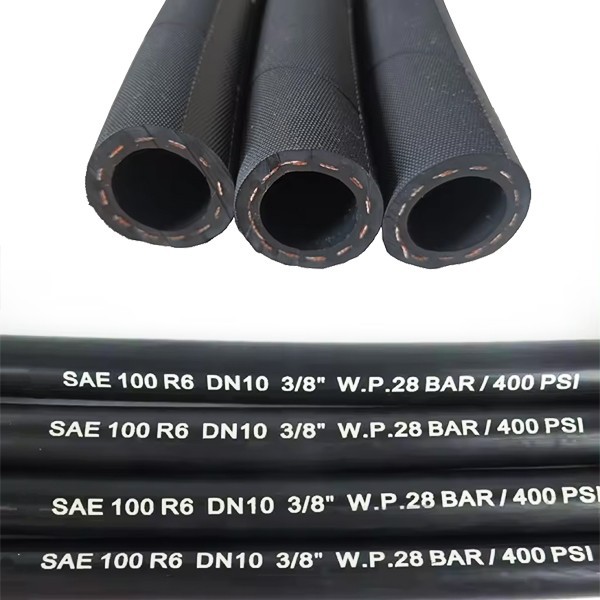
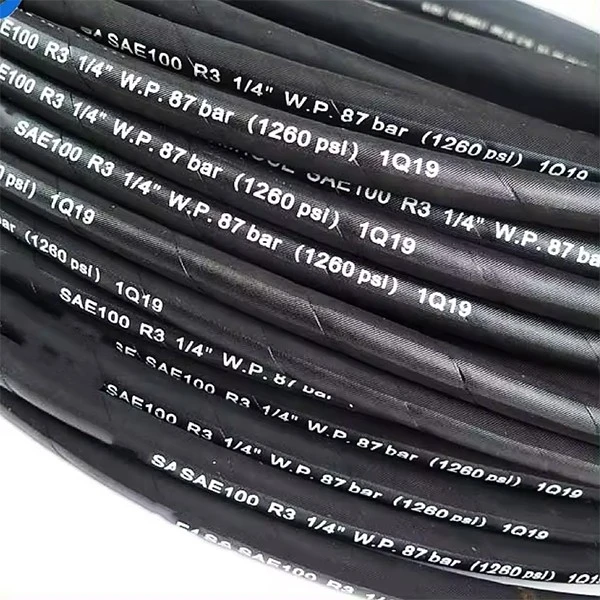
In the hydraulic industry, there are specific standards for textile braid hoses, such as Din En854 3te Or Sae 100 R3 and Din En854 1te Or Sae 100 R6. These standards define the specifications for the hoses, including their bend radius. The bend radius is the minimum radius at which the hose can be bent without causing damage or affecting its performance. Hoses that meet these standards are designed to be bent within a certain range, ensuring that they can be used effectively in different applications.
However, it's important to note that even though textile braid hoses can be bent, there are limits. Bending the hose too sharply or beyond its recommended bend radius can cause several problems. It can lead to kinking, which restricts the flow of fluid through the hose. Kinking can also damage the braid and the inner tube, reducing the hose's lifespan and potentially causing leaks.
To ensure that you can bend the textile braid hose easily and safely, there are a few tips I can share. First, make sure to use the right tools. A hose bending tool can help you achieve the desired bend radius without applying too much force. Second, when bending the hose, do it slowly and gradually. Avoid making sudden, sharp bends. And finally, check the manufacturer's guidelines for the specific hose you're using. They will usually provide information on the recommended bend radius and any other bending instructions.
In conclusion, textile braid hoses can generally be bent easily, especially those with a single-braid construction and smaller diameters. But it's important to consider the type of textile, the number of braid layers, and the application requirements. By following the proper bending techniques and adhering to the recommended bend radius, you can make the most of these flexible hoses.
If you're in the market for textile braid hoses and want to discuss your specific needs, feel free to reach out. We're here to help you find the perfect hose for your application. Whether you need a hose that can be bent around tight corners or one that can withstand high pressures, we've got you covered.
References
- Industry knowledge and experience in textile braid hose manufacturing and supply.
- Standards and specifications for hydraulic hoses such as Din En854 and Sae 100 series.