

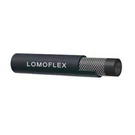
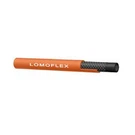


Can textile braid hose be used in hydraulic systems?
As a textile braid hose supplier, I've encountered numerous inquiries regarding the suitability of textile braid hoses for hydraulic systems. This blog post aims to comprehensively explore this topic, delving into the characteristics of textile braid hoses, their advantages and limitations in hydraulic applications, and specific standards associated with them.
Understanding Textile Braid Hoses
Textile braid hoses are composed of an inner tube, a textile braid reinforcement layer, and an outer cover. The inner tube is typically made of synthetic rubber, which is designed to be compatible with various hydraulic fluids. The textile braid reinforcement, usually made from materials like polyester or nylon, provides the hose with strength and flexibility. The outer cover protects the inner components from environmental factors such as abrasion, weather, and chemicals.
Advantages of Using Textile Braid Hoses in Hydraulic Systems
- Flexibility
One of the primary advantages of textile braid hoses is their high flexibility. In hydraulic systems, hoses often need to be routed around various components and machinery. The flexibility of textile braid hoses allows for easy installation in tight spaces and complex configurations. This reduces the need for additional fittings and bends, which can potentially lead to pressure drops and leakage points. - Lightweight
Compared to other types of hydraulic hoses, such as wire braid hoses, textile braid hoses are relatively lightweight. This characteristic is beneficial in applications where weight is a concern, such as mobile hydraulic equipment like construction machinery and agricultural vehicles. The reduced weight can contribute to improved fuel efficiency and overall performance of the equipment. - Cost - Effectiveness
Textile braid hoses are generally more cost - effective than their wire - reinforced counterparts. This makes them an attractive option for hydraulic systems where budget constraints are a factor. For small - scale hydraulic applications or systems with lower pressure requirements, textile braid hoses can provide a reliable solution at a lower cost.
Limitations of Textile Braid Hoses in Hydraulic Systems
- Pressure Rating
The main limitation of textile braid hoses is their relatively low pressure rating compared to wire braid hoses. Textile braid hoses are typically suitable for low to medium - pressure hydraulic systems, usually up to around 2000 - 3000 psi (pounds per square inch). In high - pressure hydraulic applications, such as heavy - duty industrial presses or high - performance hydraulic machinery, the textile braid may not be able to withstand the pressure, leading to hose failure. - Temperature Resistance
Textile braid hoses may have limited temperature resistance. Extreme temperatures can affect the performance and lifespan of the hose. High temperatures can cause the synthetic rubber inner tube to degrade, while low temperatures can make the hose more brittle and prone to cracking. Therefore, in applications where the hydraulic system operates in a wide temperature range, special considerations need to be taken when using textile braid hoses.
Standards for Textile Braid Hoses in Hydraulic Systems
There are several international standards that govern the design, manufacturing, and performance of textile braid hoses for hydraulic applications. Two important standards are Din En854 1te Or Sae 100 R6 and Din En854 3te Or Sae 100 R3.
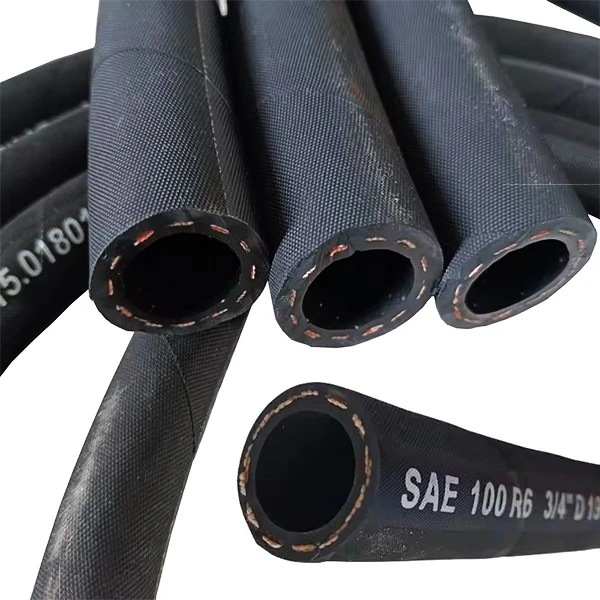
- Din En854 1te Or Sae 100 R6: This standard specifies the requirements for single - braid textile hydraulic hoses. These hoses are designed for low - pressure hydraulic systems and are commonly used in applications such as agricultural machinery and light - duty industrial equipment.
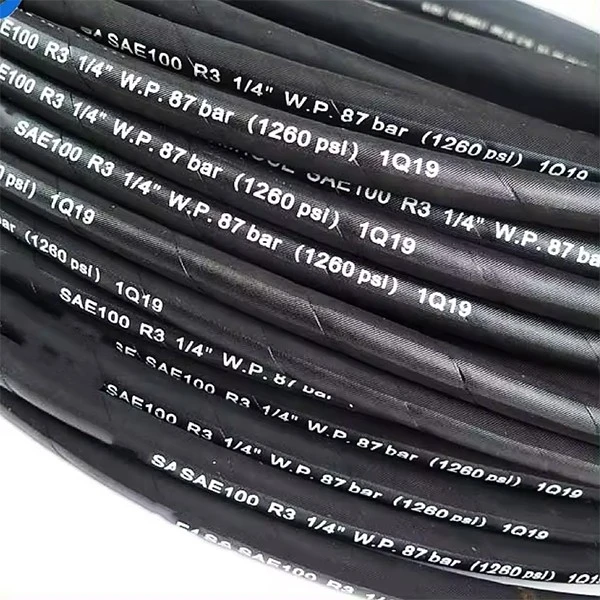
- Din En854 3te Or Sae 100 R3: Hoses that meet this standard are double - braid textile hydraulic hoses. They offer a higher pressure rating compared to single - braid hoses and are suitable for medium - pressure hydraulic applications, such as some construction equipment and material handling machinery.
Applications of Textile Braid Hoses in Hydraulic Systems
- Agricultural Machinery
In agricultural equipment like tractors, combines, and sprayers, textile braid hoses are widely used. These machines often have hydraulic systems that operate at relatively low to medium pressures. The flexibility and cost - effectiveness of textile braid hoses make them an ideal choice for powering hydraulic cylinders for functions such as lifting, tilting, and steering. - Material Handling Equipment
Forklifts, pallet jacks, and other material handling equipment also utilize textile braid hoses in their hydraulic systems. The lightweight nature of these hoses is beneficial for improving the maneuverability of the equipment. Additionally, the ability to easily route the hoses around the various components of the machinery simplifies the installation process.
Considerations for Selecting Textile Braid Hoses for Hydraulic Systems
- Pressure Requirements
Before selecting a textile braid hose for a hydraulic system, it is crucial to accurately determine the pressure requirements of the system. Ensure that the hose's pressure rating is sufficient to handle the maximum operating pressure of the system. If the pressure requirements exceed the capabilities of textile braid hoses, wire braid or other high - pressure hoses should be considered. - Fluid Compatibility
The hydraulic fluid used in the system must be compatible with the inner tube material of the textile braid hose. Different synthetic rubbers have different chemical resistances. Using an incompatible fluid can cause the inner tube to swell, degrade, or even dissolve, leading to hose failure. - Environmental Conditions
Consider the environmental conditions in which the hydraulic system will operate. If the system is exposed to high temperatures, extreme cold, abrasion, or chemicals, choose a textile braid hose with appropriate resistance properties. Some hoses may have special outer covers or inner tube materials designed to withstand harsh environments.
Conclusion
Textile braid hoses can indeed be used in hydraulic systems, especially in low to medium - pressure applications. Their flexibility, lightweight, and cost - effectiveness make them a popular choice for a wide range of industries. However, it is essential to be aware of their limitations, such as lower pressure ratings and temperature resistance. By carefully considering the specific requirements of the hydraulic system, including pressure, fluid compatibility, and environmental conditions, and by selecting hoses that meet relevant standards, textile braid hoses can provide a reliable and efficient solution.
If you are in the market for high - quality textile braid hoses for your hydraulic systems, we are here to assist you. Our team of experts can help you select the most suitable hoses based on your specific needs. Contact us to start a procurement discussion and find the perfect textile braid hose solution for your hydraulic applications.
References
- Hydraulic Hose Handbook, Parker Hannifin Corporation
- ISO Standards for Hydraulic Hoses and Fittings
- Technical Documentation from Leading Hydraulic Hose Manufacturers