

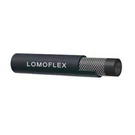
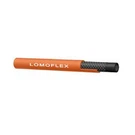


As a supplier of twin welding hoses, one question I often encounter from customers is whether twin welding hoses can be cut to a specific length. This is a valid concern, as different welding applications may require hoses of varying lengths. In this blog post, I'll delve into this topic, exploring the feasibility, considerations, and steps involved in cutting twin welding hoses to a specific length.
Feasibility of Cutting Twin Welding Hoses
The short answer is yes, twin welding hoses can be cut to a specific length. Twin welding hoses are typically made of rubber or a rubber - like material, which is relatively easy to cut with the right tools. However, it's important to note that cutting the hoses is not a decision to be taken lightly, as it can have implications for the performance and safety of the welding setup.
Considerations Before Cutting
Before you grab a pair of scissors or a knife and start cutting your twin welding hose, there are several important considerations to keep in mind.


Compatibility with Equipment
The length of the twin welding hose can affect the pressure and flow of the gases used in the welding process. If the hose is too short, it may not reach the welding area, causing inconvenience. On the other hand, if it is too long, there could be a significant pressure drop, which can affect the quality of the weld. You need to ensure that the cut length is compatible with your welding equipment, including the torch and the gas supply.
Safety Standards
Welding involves the use of flammable gases, so safety is of utmost importance. Cutting the hose incorrectly can lead to gas leaks, which pose a serious safety hazard. Make sure that any cuts you make do not compromise the integrity of the hose's inner and outer layers. Some hoses may have specific safety features that could be damaged during the cutting process.
Manufacturer's Guidelines
It's always a good idea to check the manufacturer's guidelines before cutting the hose. Some manufacturers may void the warranty if the hose is cut, while others may provide specific instructions on how to cut the hose safely. Adhering to these guidelines can help you avoid potential problems down the line.
Tools Required for Cutting
To cut a twin welding hose effectively, you'll need the right tools. Here are some recommended tools:
- Sharp Utility Knife: A sharp utility knife is ideal for making clean cuts through the rubber material of the hose. Make sure the blade is new and sharp to avoid ragged edges.
- Measuring Tape: To ensure you cut the hose to the correct length, a measuring tape is essential. Measure twice and cut once to avoid mistakes.
- Clamps: Clamps can be used to hold the hose in place while you are cutting, preventing it from moving and ensuring a straight cut.
Steps to Cut Twin Welding Hoses
Once you have considered all the factors and gathered the necessary tools, you can proceed with cutting the twin welding hose. Here are the steps:
- Measure: Use a measuring tape to mark the desired length on the hose. Make sure the mark is clear and accurate.
- Secure the Hose: Use clamps to secure the hose to a stable surface. This will prevent it from moving while you are cutting.
- Cut: Using a sharp utility knife, make a clean cut at the marked point. Apply even pressure and cut through the hose in one smooth motion.
- Inspect the Cut End: After cutting, inspect the cut end of the hose for any ragged edges or damage. If necessary, use a file or sandpaper to smooth out the edges.
Post - Cutting Considerations
After cutting the twin welding hose, there are a few additional steps you should take:
- Re - attach Fittings: If the hose had fittings on the end that were removed during the cutting process, you'll need to re - attach them. Make sure the fittings are properly tightened to prevent gas leaks.
- Test for Leaks: Before using the hose, it's crucial to test it for gas leaks. You can use a soapy water solution and apply it to the cut end and the fittings. If there are any bubbles, it indicates a leak, and you'll need to address the issue before proceeding.
Other Related Products
In addition to twin welding hoses, we also offer a range of other industrial hoses, such as Rubber Air Hose and Rubber Water Hose. These hoses are also available in various lengths and can be customized to meet your specific needs.
Conclusion
In conclusion, twin welding hoses can be cut to a specific length, but it requires careful consideration and proper execution. By following the steps outlined in this blog post and taking into account the safety and compatibility factors, you can successfully cut your twin welding hose to the desired length. If you have any further questions or need assistance with choosing the right twin welding hose for your application, feel free to [contact us]Twin Welding Hose for more information. We are always here to help you make the best decision for your welding needs.
References
- Welding Equipment Manufacturer's Manuals
- Industrial Hose Safety Standards and Guidelines