



Hey there! As a supplier of suction and discharge hoses, I've seen firsthand how sunlight exposure can have a real impact on these essential pieces of equipment. In this blog, I'm gonna break down the effects of sunlight on suction and discharge hoses and why it matters to you.
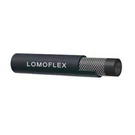
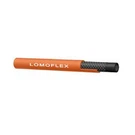
Let's start with the basics. Suction and discharge hoses are used in a wide range of industries, from agriculture to construction, to transfer liquids and other materials. They come in different types and sizes to suit various applications, like the Suction and Discharge Water Hose for water transfer and the Suction and Discharge Oil Hose for handling oil and petroleum products.
Now, sunlight might seem like a harmless thing, but it can actually cause some serious problems for suction and discharge hoses. The main culprit here is ultraviolet (UV) radiation. When hoses are exposed to sunlight, UV rays can start to break down the materials that make up the hoses.
Effects of UV Radiation on Hose Materials
-
Hardening and Brittleness
One of the most common effects of UV exposure is that the hose material starts to harden and become brittle. Most hoses are made of rubber or other polymers. UV radiation causes the chemical bonds in these materials to break, which leads to a loss of flexibility. As the hose gets harder and less flexible, it becomes more prone to cracking. You can easily imagine how bad it is when a hose cracks during operation - it can lead to leaks, which can be a huge hassle, whether you're dealing with water or something more dangerous like oil. -
Color Fading
You might notice that after a while in the sun, the color of your hose starts to fade. This isn't just a cosmetic issue. Color fading is often a sign that the UV radiation is affecting the surface layer of the hose. The chemicals in the hose that give it color are being broken down by the UV rays, and this can also be an early indicator that the overall integrity of the hose is being compromised.

-
Surface Degradation
The surface of the hose can also start to degrade due to sunlight exposure. It can get rough, develop a powdery texture, or even start to flake off. This surface degradation doesn't just look bad; it can also weaken the hose's ability to withstand pressure. When the surface is damaged, it's easier for the internal layers of the hose to be affected, which can lead to a shorter lifespan for the hose.
Impact on Hose Performance
- Reduced Pressure Resistance
As the hose material hardens and becomes brittle, it loses its ability to withstand pressure. Suction and discharge hoses are often used in systems where there's a significant amount of pressure involved, whether it's for sucking up liquids or discharging them at high speeds. If the hose can't handle the pressure because of UV damage, it can burst, causing a mess and potentially putting people and equipment at risk. - Decreased Flow Rate
Cracks and surface degradation can also affect the flow rate of the hose. When there are cracks or rough spots on the inside of the hose, it can cause turbulence in the flow of the liquid or material being transferred. This turbulence can slow down the flow rate, which means it takes longer to get the job done. In some industries, where time is money, a decrease in flow rate can have a big impact on productivity.
How to Mitigate the Effects of Sunlight Exposure
- UV-Resistant Hoses
One of the best ways to protect your hoses from sunlight is to choose hoses that are specifically designed to be UV-resistant. Many manufacturers now offer hoses with special additives that can help block UV radiation and prevent the degradation of the hose material. These hoses might cost a bit more upfront, but they can save you a lot of money in the long run by lasting longer and requiring fewer replacements. - Storage and Covering
Another simple but effective way to protect your hoses is to store them properly when they're not in use. Keep them out of direct sunlight, preferably in a shaded or indoor area. If you can't store them indoors, you can use covers to shield them from the sun. There are all kinds of hose covers available, from simple fabric covers to more heavy-duty ones made of rubber or plastic. - Regular Inspections
It's also important to regularly inspect your hoses for signs of UV damage. Look for cracks, hardening, color fading, or any other changes in the hose's appearance or texture. If you notice any problems, it's better to replace the hose sooner rather than later to avoid more serious issues down the road.
Why This Matters for You
If you're in an industry that relies on suction and discharge hoses, the effects of sunlight exposure can have a big impact on your bottom line. Replacing hoses more often due to UV damage can be expensive, not to mention the downtime caused by hose failures. By understanding how sunlight affects your hoses and taking steps to protect them, you can save money, improve productivity, and reduce the risk of accidents.
Whether you need a Suction and Discharge Water Hose for your irrigation system or a Suction and Discharge Oil Hose for your oil transfer operations, we've got you covered. We offer a wide range of high-quality hoses that are designed to withstand the rigors of your industry, including UV-resistant options.
If you're interested in learning more about our suction and discharge hoses or have any questions about how to protect them from sunlight, don't hesitate to reach out. We're here to help you find the right solutions for your needs and ensure that your operations run smoothly.
References
- "The Effects of UV Radiation on Polymer Materials." Polymer Science Journal.
- "Hose Maintenance and UV Protection." Industrial Equipment Magazine.