

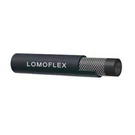
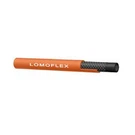


When it comes to low - temperature applications for suction and discharge oil hoses, making the right choice is crucial. As a supplier of suction and discharge oil hoses, I've witnessed firsthand the challenges that customers face in selecting the most suitable hose for their specific low - temperature needs. In this blog, I'll share some key factors to consider when choosing a suction and discharge oil hose for low - temperature environments.
Understanding Low - Temperature Requirements
Low - temperature applications can vary widely, from cold storage facilities to outdoor operations in frigid climates. The first step in choosing the right hose is to determine the exact temperature range of the application. Some hoses are designed to withstand extremely low temperatures, such as - 40°F (- 40°C) or even lower, while others may only be suitable for less severe cold conditions.
For example, in an oil refinery located in a region with harsh winters, the suction and discharge oil hoses need to maintain their flexibility and integrity at very low temperatures. If the hose becomes brittle or loses its elasticity in the cold, it can lead to leaks, reduced flow rates, and even complete hose failure.
Material Selection
The material of the hose plays a vital role in its performance at low temperatures. Different materials have different cold - resistance properties.
Rubber Hoses
Rubber is a common material for suction and discharge oil hoses. Natural rubber, for instance, has good flexibility at moderate low temperatures. However, it may harden and lose its performance in extremely cold conditions. Synthetic rubbers like nitrile rubber (NBR) are more suitable for low - temperature oil applications. NBR has excellent resistance to oil and can maintain its flexibility down to a certain low - temperature threshold. It is also resistant to abrasion, which is important in applications where the hose may come into contact with rough surfaces.


Thermoplastic Hoses
Thermoplastic hoses are another option. They are often lightweight and have good chemical resistance. Some thermoplastic materials, such as polyurethane (PU), can offer good low - temperature performance. PU hoses are flexible and can withstand relatively low temperatures while maintaining their shape and structural integrity. They are also resistant to kinking, which is a valuable feature in many suction and discharge applications.
Hose Construction
The construction of the hose can also impact its performance in low - temperature environments.
Reinforcement Layers
Reinforcement layers are essential for providing strength and stability to the hose. In low - temperature applications, the reinforcement material should be able to maintain its properties. For example, braided or spiral - wound reinforcement made of synthetic fibers like polyester or aramid can offer good strength and flexibility at low temperatures. These materials are less likely to become brittle compared to some metal reinforcements, which may crack or lose their structural integrity in the cold.
Inner and Outer Covers
The inner cover of the hose is in direct contact with the oil. It should have good chemical resistance to prevent degradation from the oil. At the same time, the outer cover protects the hose from external factors such as abrasion, UV rays, and environmental contaminants. In low - temperature applications, both the inner and outer covers should be made of materials that can withstand the cold. For example, a hose with a neoprene outer cover can provide good protection against the elements and maintain its flexibility in cold weather.
Pressure Rating
The pressure rating of the hose is an important consideration. In low - temperature applications, the viscosity of the oil may increase, which can lead to higher pressure requirements. The hose must be able to handle the maximum pressure that will be encountered during operation.
It's important to note that the pressure - handling capacity of a hose can be affected by low temperatures. Some hoses may experience a reduction in their pressure rating as the temperature drops. Therefore, it's necessary to choose a hose with a pressure rating that is sufficient for the application, taking into account the low - temperature conditions.
Compatibility with Oil
Not all oils are the same, and different oils have different chemical properties. The hose must be compatible with the type of oil it will be transporting. In low - temperature applications, the interaction between the oil and the hose material can be even more critical.
For example, some oils may contain additives or have a high viscosity at low temperatures. The hose material should be able to resist any chemical reactions with these components. If the hose is not compatible with the oil, it can lead to swelling, softening, or degradation of the hose material, which can ultimately result in hose failure.
Bend Radius
The bend radius of the hose is the minimum radius at which the hose can be bent without kinking or reducing its flow capacity. In low - temperature applications, the bend radius becomes even more important. Cold temperatures can make the hose less flexible, and a smaller bend radius may cause the hose to kink or damage the reinforcement layers.
It's recommended to choose a hose with a larger bend radius for low - temperature applications. This will ensure that the hose can be installed and used without compromising its performance, even in cold conditions.
Length and Diameter
The length and diameter of the hose are also factors to consider. The length of the hose can affect the pressure drop and flow rate. In low - temperature applications, a longer hose may experience more significant pressure losses due to the increased viscosity of the oil. Therefore, it's important to choose the appropriate length based on the specific requirements of the application.
The diameter of the hose determines the flow capacity. A larger diameter hose can generally handle a higher flow rate. However, in low - temperature applications, the choice of diameter also needs to take into account the viscosity of the oil. A smaller diameter hose may be sufficient if the flow rate requirements are not very high, and it can help to maintain a higher velocity of the oil, which may be beneficial in cold conditions.
Conclusion
Choosing the right suction and discharge oil hose for a low - temperature application requires careful consideration of multiple factors, including temperature range, material, construction, pressure rating, compatibility with oil, bend radius, length, and diameter. As a supplier of Suction and Discharge Oil Hose, we have a wide range of hoses that are designed to meet the diverse needs of low - temperature applications.
If you're also in need of hoses for water applications, we also offer Suction and Discharge Water Hose. Our team of experts is always ready to assist you in selecting the most suitable hose for your specific requirements. Whether you're dealing with a small - scale operation or a large industrial project, we can provide you with high - quality hoses and professional advice.
If you're interested in learning more about our products or have any questions regarding the selection of suction and discharge hoses for low - temperature applications, please feel free to contact us. We look forward to discussing your needs and helping you find the perfect hose solution.
References
- "Handbook of Industrial Hoses", McGraw - Hill Publishing
- "Materials Science for Engineering Applications", Wiley Publications
- Industry standards and guidelines related to suction and discharge hoses