

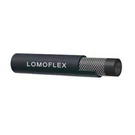
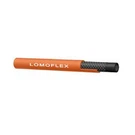


Hey there! As a supplier of rubber air hoses, I've seen firsthand how important it is to choose the right one for your needs. A rubber air hose might seem like a simple thing, but trust me, there's a lot more to it than meets the eye. In this blog, I'll share some tips on how to pick the perfect rubber air hose for your specific situation.
Consider the Application
The first thing you need to think about is what you'll be using the rubber air hose for. Different applications require different types of hoses. For example, if you're into welding, you might need a Twin Welding Hose. These hoses are designed to handle the high pressures and specific gases used in welding processes. They're built tough to withstand the rigors of welding work, like being dragged around the workshop and exposed to heat and sparks.
On the other hand, if you're working with oxygen and acetylene, an Oxygen Acetylene Hose is the way to go. These hoses are made to be compatible with these gases and are engineered to prevent leaks and ensure safety. They have special inner linings and reinforcement layers to handle the chemical properties of oxygen and acetylene.
And if you're dealing with liquefied petroleum gas (LPG), you'll want an Lpg Hose. LPG hoses are designed to resist the corrosive effects of LPG and are built to maintain a tight seal to prevent gas leaks. They're often used in applications like gas grills, industrial heating systems, and some types of vehicles.
Pressure Rating
Another crucial factor is the pressure rating of the hose. You need to know the maximum pressure that your air system will generate and choose a hose that can handle it. If you use a hose with a lower pressure rating than what your system produces, it can lead to dangerous situations like hose bursts.
Look for the pressure rating information on the hose itself or in the product specifications. It's usually marked in pounds per square inch (PSI). Make sure to choose a hose with a pressure rating that exceeds the maximum pressure of your air system by a safe margin. For example, if your air compressor has a maximum output pressure of 150 PSI, it's a good idea to choose a hose with a pressure rating of at least 200 PSI.
Hose Diameter
The diameter of the hose also matters. A larger diameter hose allows for more air flow, which can be beneficial if you're using tools that require a high volume of air, like pneumatic sanders or impact wrenches. However, larger diameter hoses are also heavier and more cumbersome to handle.
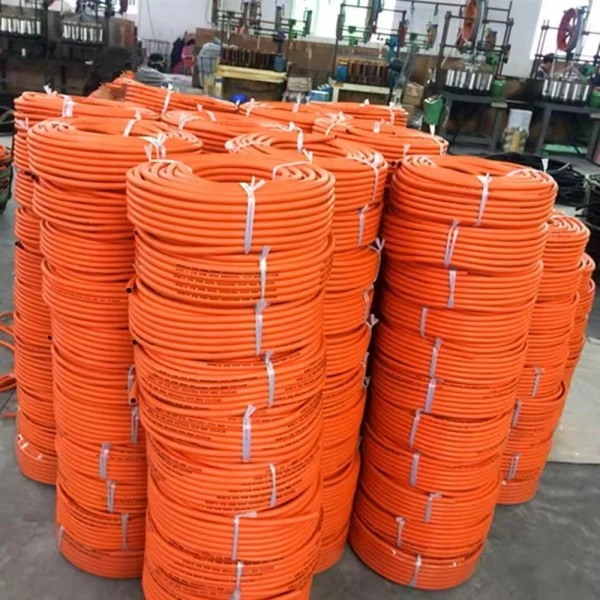

On the other hand, a smaller diameter hose is lighter and more flexible, but it might not be able to deliver enough air for high-demand tools. So, you need to strike a balance based on your specific needs. If you're mainly using small pneumatic tools, a 1/4-inch or 3/8-inch diameter hose might be sufficient. But if you're using larger tools, you might need a 1/2-inch or even larger diameter hose.
Length of the Hose
The length of the hose is another important consideration. You want to choose a length that gives you enough reach to work comfortably but not so long that it causes a significant drop in air pressure. As the air travels through the hose, there's a natural loss of pressure due to friction. The longer the hose, the greater the pressure drop.
If you need to work at a distance from your air source, you might be tempted to use a very long hose. But keep in mind that a long hose can reduce the performance of your tools. A good rule of thumb is to use the shortest hose possible that still allows you to do your work. If you really need a long reach, you can consider using a hose reel to keep the hose organized and minimize the pressure drop.
Flexibility and Durability
Flexibility is key when it comes to rubber air hoses. You want a hose that can bend and twist easily without kinking. Kinks in the hose can restrict air flow and reduce the performance of your tools. Look for hoses that are made from high-quality rubber compounds that are designed to be flexible.
Durability is also important. Your hose will likely be exposed to various conditions, such as abrasion, chemicals, and extreme temperatures. Choose a hose that has a strong outer cover to resist abrasion and a good inner lining to withstand chemical exposure. Some hoses are also designed to be resistant to ozone and UV rays, which can cause the rubber to deteriorate over time.
Couplings and Fittings
Don't forget about the couplings and fittings that come with the hose. They need to be compatible with your air tools and your air source. Make sure the couplings are made from high-quality materials and are properly sized. A loose or ill-fitting coupling can cause air leaks, which not only waste air but can also reduce the performance of your tools.
There are different types of couplings available, such as quick-connect couplings and threaded couplings. Quick-connect couplings are convenient because they allow you to easily attach and detach the hose from your tools. Threaded couplings, on the other hand, provide a more secure connection but might take a bit more time to install.
Cost
Of course, cost is always a factor. You don't want to overspend on a hose, but you also don't want to skimp on quality. Remember, a cheap hose might save you money upfront, but it could end up costing you more in the long run if it breaks or doesn't perform well.
Compare prices from different suppliers and look for hoses that offer a good balance between quality and cost. Sometimes, it's worth paying a little extra for a hose that will last longer and perform better.
Conclusion
Choosing the right rubber air hose is essential for getting the most out of your air tools and ensuring safety. By considering the application, pressure rating, hose diameter, length, flexibility, durability, couplings, and cost, you can make an informed decision.
If you have any questions or need help choosing the right rubber air hose for your needs, don't hesitate to reach out. We're here to assist you in finding the perfect hose for your specific situation. Whether you're a professional tradesperson or a DIY enthusiast, we've got the expertise and the products to meet your requirements. Let's start a conversation and get you the right rubber air hose for your job.
References
- Industry standards and guidelines for rubber air hoses
- Manufacturer's product specifications and technical data sheets
- Personal experience and knowledge as a rubber air hose supplier