

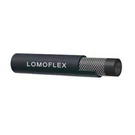
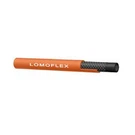


Picking the right size of oxygen acetylene hose is super crucial, whether you're a DIY enthusiast working on home projects or a professional welder handling heavy - duty industrial tasks. As an oxygen acetylene hose supplier, I've seen firsthand how the wrong hose size can lead to a whole bunch of problems. In this blog, I'll share some tips on how to make the right choice.
Flow Rate Requirements
The first thing you need to think about is the flow rate of oxygen and acetylene that your welding equipment needs. Different welding processes and equipment have different flow rate requirements. For example, a small, low - power welding torch used for light - gauge metal work will need a lower flow rate compared to a high - powered torch used for thick - walled pipes or heavy - duty fabrication.
If you choose a hose that's too small, it won't be able to deliver the required amount of gas. This can result in an unstable flame, poor weld quality, and even put extra strain on your equipment. On the other hand, a hose that's too large can be a waste of money and might also be more difficult to handle. You can usually find the recommended flow rate in the user manual of your welding equipment. Once you know the flow rate, you can select a hose size that can accommodate it.
Pressure Considerations
Pressure is another key factor. Oxygen and acetylene are stored under pressure, and the hose needs to be able to withstand the pressure without leaking or bursting. The pressure rating of a hose is usually marked on it. You need to make sure that the pressure rating of the hose is higher than the maximum pressure that your equipment will generate.
For instance, if your welding setup operates at a maximum pressure of 150 psi, you should choose a hose with a pressure rating well above that, say 200 psi or more. This gives you a safety margin and ensures that the hose will perform reliably over time. High - pressure applications often require thicker - walled hoses, which can handle the stress better.
Length of the Hose
The length of the hose also matters. Longer hoses can be convenient if you need to move around a large work area, but they can also cause pressure drops. As the gas travels through a long hose, the friction between the gas and the inner wall of the hose reduces the pressure. This means that if you use a very long hose, you might not get the right amount of gas at the torch end.
A good rule of thumb is to keep the hose as short as possible while still allowing you to work comfortably. If you do need a long hose, you might need to choose a larger diameter hose to compensate for the pressure drop. For example, if you usually work within a 10 - foot radius, a 10 - foot hose would be ideal. But if you need to cover a 30 - foot area, you might want to consider a slightly larger diameter hose to maintain the proper gas flow and pressure.
Compatibility with Equipment
Your oxygen acetylene hose needs to be compatible with your welding equipment. This includes the connectors at the ends of the hose. Different brands and models of welding torches and regulators might have different types of connectors. Make sure that the hose you choose has the right connectors that will fit your equipment snugly.
Some hoses come with standard connectors that are widely used, but if you have specialized equipment, you might need to look for hoses with custom - made connectors. You don't want to end up with a hose that doesn't fit your equipment, as it can lead to gas leaks and safety hazards.
Flexibility and Durability
In a workshop or on a job site, hoses are often moved around, bent, and sometimes even stepped on. That's why flexibility and durability are important. A flexible hose is easier to maneuver and can be routed around obstacles without kinking. Kinked hoses can block the gas flow and cause problems.
Durability is also crucial. You want a hose that can withstand abrasion, cuts, and exposure to chemicals and heat. Look for hoses made from high - quality materials. For example, some hoses are made from rubber compounds that are resistant to oil, ozone, and other environmental factors. These hoses are more likely to last longer and perform better in tough conditions.
Types of Hoses
There are different types of oxygen acetylene hoses available in the market. One common type is the twin welding hose, which has two separate channels for oxygen and acetylene. This type of hose is convenient as it keeps the two gases separate and is easy to install. You can check out more about Twin Welding Hose.
There are also rubber air hoses that can sometimes be used for oxygen and acetylene applications, depending on their specifications. Rubber Air Hose offers a variety of options. And if you're working with LPG in combination with oxygen, you might be interested in Lpg Hose.
Cost - Benefit Analysis
Cost is always a factor when making a purchase. You don't want to overspend on a hose, but you also don't want to go for the cheapest option that might not meet your needs. Consider the long - term costs. A more expensive, high - quality hose might last longer and require fewer replacements, which can save you money in the long run.
On the other hand, if you're on a tight budget and only need a hose for occasional, light - duty use, a more affordable option might be sufficient. Just make sure that it still meets the basic requirements in terms of flow rate, pressure, and compatibility.

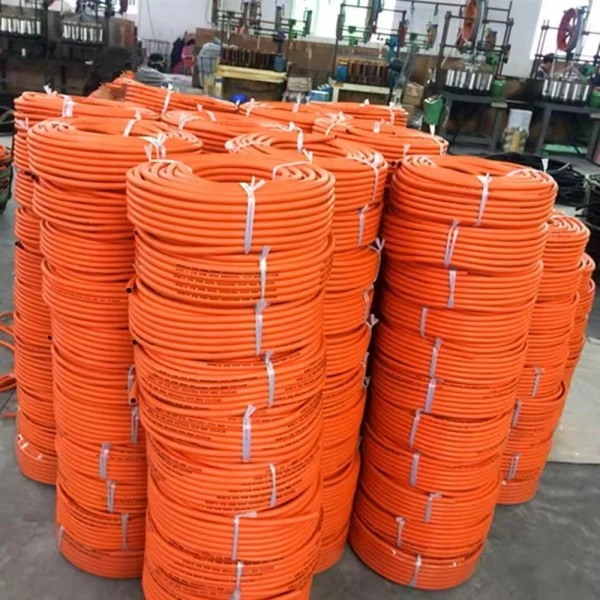
Conclusion
Choosing the right size of oxygen acetylene hose is a multi - faceted decision. You need to take into account flow rate, pressure, length, compatibility, flexibility, durability, and cost. By carefully considering these factors, you can select a hose that will work well with your equipment and provide reliable performance.
If you're still not sure which hose size is right for you, don't hesitate to reach out. As an oxygen acetylene hose supplier, I'm here to help you make the best choice for your specific needs. Whether you're a beginner or a seasoned professional, we can work together to find the perfect hose for your welding projects. Contact us for more information and to start a purchase negotiation.
References
- Welding Equipment User Manuals
- Industry Standards for Oxygen Acetylene Hoses