

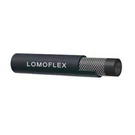
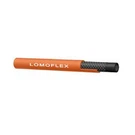


Connecting multiple rubber hoses together is a common requirement in various industrial and domestic applications. As a reputable rubber hose supplier, I understand the importance of a proper connection to ensure the efficient and safe operation of the hose system. In this blog, I will share some practical methods and considerations for connecting multiple rubber hoses.
Understanding the Types of Rubber Hoses
Before we delve into the connection methods, it's essential to have a basic understanding of the different types of rubber hoses available. At our supply, we offer a wide range of rubber hoses, including Rubber Air Hose, Fuel Oil Hose, and Oxygen Acetylene Hose. Each type of hose is designed for specific applications and has unique characteristics.


- Rubber Air Hose: This type of hose is commonly used for pneumatic tools and equipment. It is designed to withstand high-pressure air and is often flexible and lightweight.
- Fuel Oil Hose: Fuel oil hoses are used for transferring fuel oil in various industries. They need to be resistant to the corrosive effects of fuel oil and have good sealing properties.
- Oxygen Acetylene Hose: These hoses are specifically designed for welding and cutting applications. They are used to deliver oxygen and acetylene gases safely and efficiently.
Methods of Connecting Rubber Hoses
There are several methods available for connecting multiple rubber hoses, and the choice of method depends on various factors such as the type of hose, the application, and the pressure requirements. Here are some common methods:
1. Using Hose Clamps
Hose clamps are one of the most commonly used methods for connecting rubber hoses. They are simple to use and can provide a secure connection. Here's how you can use hose clamps to connect two rubber hoses:
- Prepare the Hoses: Cut the ends of the hoses cleanly and remove any burrs or rough edges. Make sure the ends of the hoses are straight and smooth.
- Insert the Connector: If you are using a connector, insert it into one end of the hose. Make sure the connector fits snugly into the hose.
- Place the Hose Clamp: Place a hose clamp over the end of the hose that has the connector inserted. Position the clamp close to the end of the hose.
- Connect the Second Hose: Insert the other end of the connector into the second hose. Make sure the connector fits properly into the hose.
- Tighten the Hose Clamp: Use a screwdriver or a wrench to tighten the hose clamp. Make sure the clamp is tightened evenly to ensure a secure connection.
2. Using Quick-Connect Fittings
Quick-connect fittings are another popular method for connecting rubber hoses. They offer a fast and easy way to connect and disconnect hoses without the need for tools. Here's how you can use quick-connect fittings:
- Choose the Right Fittings: Select the appropriate quick-connect fittings based on the size and type of your hoses. Make sure the fittings are compatible with the hoses.
- Prepare the Hoses: Cut the ends of the hoses cleanly and remove any burrs or rough edges.
- Insert the Fittings: Insert the male and female ends of the quick-connect fittings into the ends of the hoses. Make sure the fittings are inserted fully and securely.
- Connect the Fittings: Push the male and female ends of the fittings together until they click into place. This indicates that the connection is secure.
3. Using Adhesive or Vulcanization
In some cases, adhesive or vulcanization may be used to connect rubber hoses. This method is often used for high-pressure or high-temperature applications where a more permanent and secure connection is required. Here's how the process works:
- Prepare the Hoses: Clean the ends of the hoses thoroughly to remove any dirt, oil, or debris. Roughen the surface of the ends of the hoses to improve the adhesion.
- Apply the Adhesive or Vulcanizing Agent: Apply the adhesive or vulcanizing agent to the ends of the hoses according to the manufacturer's instructions. Make sure the adhesive or agent is applied evenly.
- Join the Hoses: Press the ends of the hoses together firmly and hold them in place for the recommended time. This allows the adhesive or agent to cure and form a strong bond.
Considerations for Connecting Rubber Hoses
When connecting multiple rubber hoses, there are several important considerations to keep in mind to ensure a safe and efficient connection:
- Compatibility: Make sure the hoses and connectors you are using are compatible with each other. This includes the size, type, and material of the hoses and connectors.
- Pressure Rating: Consider the pressure rating of the hoses and connectors. The connection should be able to withstand the maximum pressure that will be applied to the hose system.
- Temperature and Chemical Resistance: If the hoses will be exposed to high temperatures or chemicals, make sure the hoses and connectors are resistant to these conditions.
- Sealing: Ensure that the connection is properly sealed to prevent leaks. This is especially important when dealing with hazardous substances or high-pressure applications.
- Inspection: Regularly inspect the connections for any signs of wear, damage, or leaks. Replace any damaged or worn components immediately.
Conclusion
Connecting multiple rubber hoses together is a crucial task that requires careful consideration and the use of appropriate methods. By understanding the different types of rubber hoses, choosing the right connection method, and following the necessary considerations, you can ensure a safe and efficient hose system.
As a rubber hose supplier, we are committed to providing high-quality hoses and connectors to meet your needs. If you have any questions or need further assistance with connecting rubber hoses, please feel free to contact us. We are here to help you find the best solutions for your applications.
References
- Industrial Hose Handbook, various industry publications
- Manufacturer's guidelines for rubber hoses and connectors