





Hey there! I'm a supplier of hydraulic hoses, and today I want to chat about the impact of pulsation on hydraulic hoses. Pulsation is something that can cause a whole lot of headaches in hydraulic systems, and it's super important to understand how it affects our hoses.
First off, let's talk about what pulsation actually is. In a hydraulic system, pulsation refers to the rapid and repeated changes in pressure. These pressure fluctuations can happen for a bunch of reasons, like the operation of pumps, valves opening and closing, or the movement of hydraulic cylinders. When these pressure changes occur, they create waves of energy that travel through the hydraulic fluid and can have a big impact on the hoses.
One of the most obvious impacts of pulsation on hydraulic hoses is fatigue. Just like you'd get tired if you were constantly jumping up and down, hoses can get worn out from the repeated stress of pulsation. Every time the pressure goes up and down, the hose material has to stretch and contract. Over time, this can lead to cracks and tears in the hose. These cracks might start small, but they can grow bigger and eventually cause the hose to fail completely. A failed hose can lead to leaks, which not only waste hydraulic fluid but can also be a safety hazard in some industrial settings.
Another issue is that pulsation can cause the hose to vibrate. This vibration can make the hose move around and rub against other parts of the hydraulic system. You know how rubbing your hands together can make them warm? Well, when a hose rubs against something, it can cause wear on the outer layer of the hose. This outer layer is important because it protects the inner layers of the hose from damage. If the outer layer gets worn away, the inner layers are more exposed to things like abrasion, chemicals, and environmental factors, which can further shorten the lifespan of the hose.
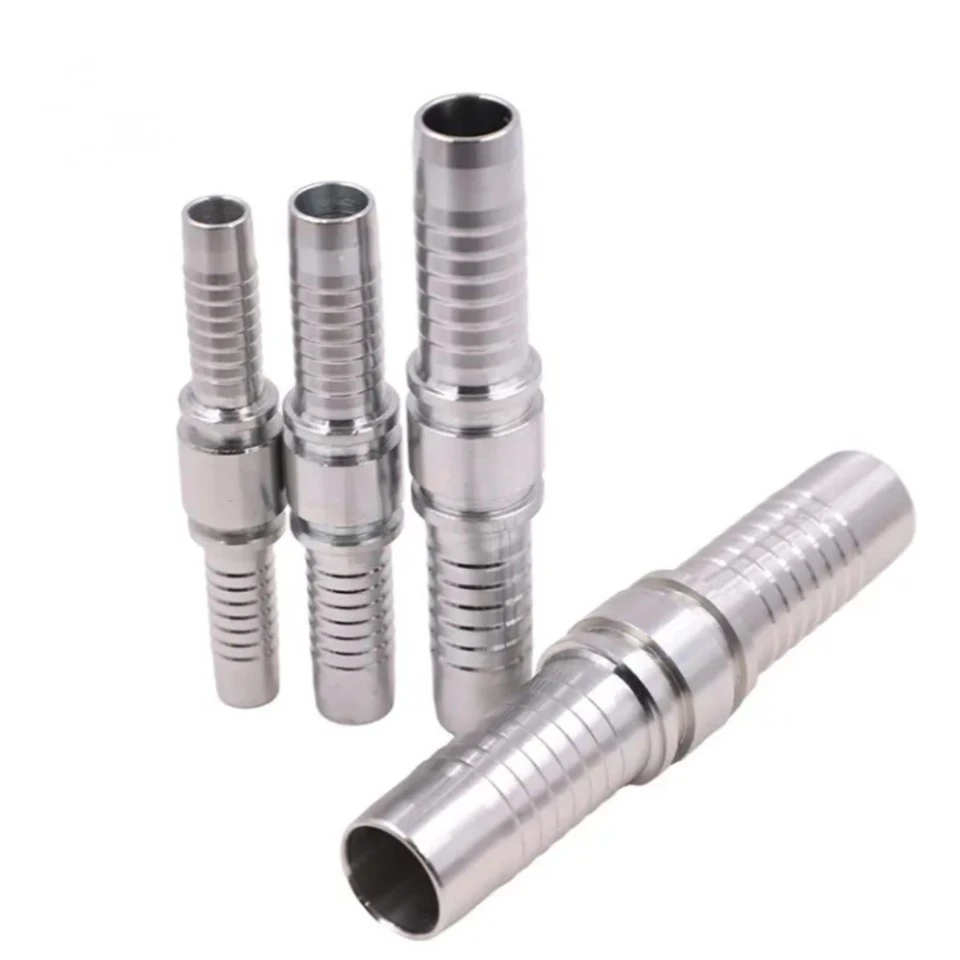
Pulsation can also affect the fittings on the hydraulic hoses. The 90011 Double Connection and Hydraulic Quick Couplings are crucial parts of the hydraulic system that connect the hoses to other components. The repeated pressure changes from pulsation can cause the fittings to loosen over time. A loose fitting can lead to leaks at the connection point. And if the fitting comes off completely, it can cause a sudden loss of pressure in the system, which can be really dangerous, especially in high - pressure hydraulic systems.
In addition to physical damage, pulsation can also impact the performance of the hydraulic system. When there are pressure fluctuations in the system, it can be harder to control the flow of hydraulic fluid accurately. This can affect the precision of the machinery that the hydraulic system is powering. For example, in a construction machine like an excavator, inaccurate fluid flow due to pulsation can make it difficult to operate the machine smoothly and precisely.
Now, as a hydraulic hose supplier, I've seen firsthand the importance of dealing with pulsation. There are a few ways to reduce the impact of pulsation on hydraulic hoses. One option is to use hoses that are specifically designed to handle pulsation. These hoses are made with materials and construction techniques that can withstand the repeated stress better. For instance, some hoses have multiple layers of reinforcement that help distribute the stress more evenly.
Another solution is to use pulsation dampeners. These are devices that can be installed in the hydraulic system to absorb the energy from the pressure waves. They work a bit like shock absorbers in a car, smoothing out the pressure changes and reducing the stress on the hoses.
Proper installation of the hoses is also key. When installing a hose, it's important to make sure it's routed correctly and not in a position where it will be more likely to vibrate or rub against other parts. Also, the fittings should be tightened properly to prevent them from loosening due to pulsation.
If you're using Oxygen Acetylene Hose in your hydraulic system, the impact of pulsation can be even more critical. These hoses are used in applications where the safety and performance are of utmost importance. Any damage or failure due to pulsation can have serious consequences.
In conclusion, pulsation can have a significant impact on hydraulic hoses. It can cause physical damage, affect the performance of the hydraulic system, and even pose safety risks. But with the right knowledge and solutions, we can minimize these impacts. As a hydraulic hose supplier, I'm always here to help you choose the right hoses and accessories for your specific needs. Whether you're dealing with high - pulsation applications or just want to make sure your hydraulic system runs smoothly, I've got the expertise and products to support you.
If you're in the market for hydraulic hoses or need advice on dealing with pulsation, don't hesitate to reach out. We can have a chat about your requirements and find the best solutions for your hydraulic system. Let's work together to keep your machinery running at its best!

References
- "Hydraulic Systems Handbook" - A comprehensive guide on hydraulic systems and their components, including the effects of pulsation on hoses.
- "Industrial Hose Application Manual" - This manual provides in - depth information on the different types of hoses and how to deal with various operating conditions, such as pulsation.