




Alright, folks! As a supplier of wire spiral hoses, I get asked a lot about how to clean the inside of these bad boys. It's a crucial task because a clean hose not only performs better but also lasts longer. So, let's dive right into it and learn how to keep the inside of your wire spiral hose in tip - top shape.
Why Cleaning the Inside of a Wire Spiral Hose is Important
First off, you might be wondering why it's such a big deal to clean the inside of the hose. Well, over time, all sorts of gunk can build up inside. If you're using the hose for hydraulic systems, for example, dirt, debris, and even small metal particles can accumulate. This buildup can restrict the flow of fluid through the hose, reducing its efficiency. It can also cause wear and tear on the inner lining of the hose, leading to leaks and potential system failures.
Moreover, if the fluid in the hose is contaminated, it can affect the performance of the entire machinery. For instance, in a construction vehicle's hydraulic system, dirty fluid can make the equipment less responsive and reliable. So, regular cleaning is essential to maintain the proper functioning of your wire spiral hose and the overall system it's a part of.
Tools and Materials You'll Need
Before you start cleaning, you need to gather the right tools and materials. Here's a list of what you'll typically need:
- Cleaning Solvent: Choose a solvent that's compatible with the type of fluid that usually runs through the hose. For hydraulic hoses, a mild hydraulic fluid - based cleaner often works well.
- Pressure Washer: A pressure washer can help you force the cleaning solvent through the hose to remove stubborn debris.
- Brushes: You'll need some small, flexible brushes to scrub the inside of the hose. Make sure the bristles aren't too hard to avoid damaging the hose lining.
- Compressed Air: Compressed air is great for drying the hose after cleaning and blowing out any remaining debris.
- Safety Gear: Don't forget to wear gloves and safety goggles to protect yourself from the cleaning solvent and any flying debris.
Step - by - Step Guide to Cleaning
Step 1: Disconnect the Hose
The first thing you need to do is disconnect the wire spiral hose from the equipment. This is important for safety reasons and to ensure you can clean the hose thoroughly. Make sure the system is depressurized before you start disconnecting. You don't want any sudden bursts of fluid or pressure!
Step 2: Inspect the Hose
Once the hose is disconnected, take a good look at it. Check for any signs of damage, such as cracks, bulges, or leaks. If you notice any serious damage, it might be time to replace the hose instead of just cleaning it. Also, look inside the hose to see how dirty it is and get an idea of what you're up against.
Step 3: Flush the Hose
Start by flushing the hose with clean water. This will help remove any loose dirt and debris. You can use a garden hose or a low - pressure water source for this. Let the water run through the hose for a few minutes until it comes out clear.
Step 4: Apply the Cleaning Solvent
Next, pour the cleaning solvent into one end of the hose. You can use a funnel to make this easier. Then, use a pressure washer to force the solvent through the hose. Start with a low pressure and gradually increase it if needed. Make sure to cover the other end of the hose with a suitable cap or plug to prevent the solvent from spraying everywhere. Let the solvent sit in the hose for a few minutes to break down the stubborn dirt and grime.
Step 5: Scrub the Inside
After the solvent has had time to work, use the flexible brushes to scrub the inside of the hose. Insert the brush into the hose and move it back and forth to dislodge any remaining debris. Pay special attention to the bends and curves of the hose, as these are the areas where dirt tends to accumulate.
Step 6: Rinse Again
Once you've scrubbed the inside of the hose, rinse it thoroughly with clean water. Use the pressure washer again if necessary to ensure all the cleaning solvent and debris are removed. Keep rinsing until the water coming out of the hose is completely clear.
Step 7: Dry the Hose
Finally, use compressed air to dry the inside of the hose. Insert the air nozzle into one end of the hose and blow the air through until the hose is completely dry. This will prevent any moisture from causing rust or corrosion inside the hose.
Different Types of Wire Spiral Hoses and Cleaning Considerations
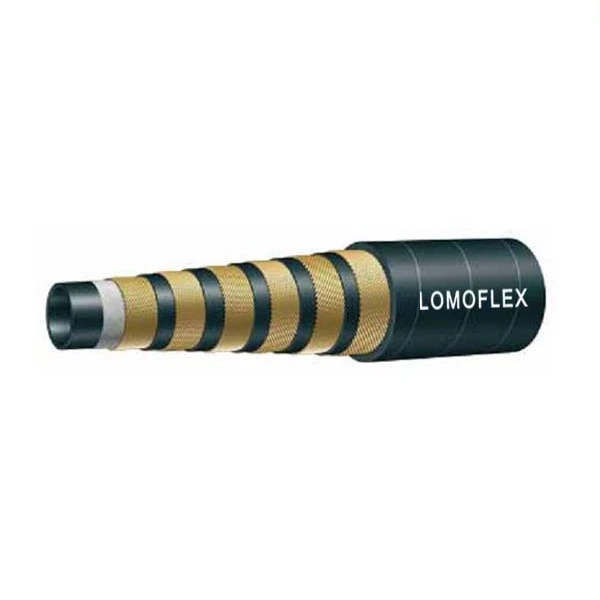
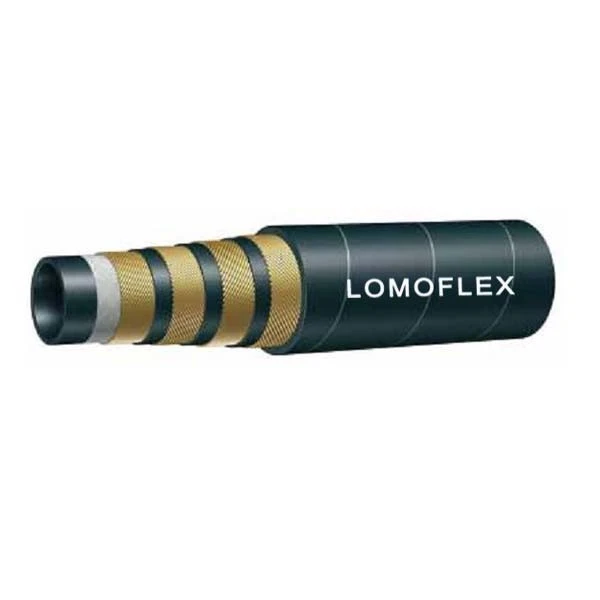
We offer a variety of wire spiral hoses, like the Sae100 R13, Sae100 R15, and Sae100 R12. Each type might have slightly different cleaning requirements.
For example, the Sae100 R13 is often used in high - pressure hydraulic applications. It has a thick inner lining that can withstand a lot of pressure, but it also means that more stubborn debris can get trapped inside. So, you might need a stronger cleaning solvent and a bit more elbow grease when cleaning this type of hose.
The Sae100 R15 is known for its flexibility. When cleaning it, be careful not to kink the hose while scrubbing or flushing. Kinking can damage the internal structure of the hose and reduce its lifespan.
The Sae100 R12 is commonly used in medium - pressure applications. It usually has a thinner inner lining compared to the R13, so you need to be more gentle with the cleaning process to avoid damaging the lining.
Tips for Maintaining a Clean Hose
- Regular Inspections: Don't wait until the hose is completely clogged to clean it. Make it a habit to inspect the hose regularly for any signs of dirt or debris. You can do a quick visual inspection every few weeks, or more often if the hose is in heavy use.
- Proper Storage: When the hose is not in use, store it in a clean, dry place. Avoid storing it in areas where it can come into contact with dirt, dust, or chemicals.
- Use Filters: Install filters in the system to prevent dirt and debris from entering the hose in the first place. This can significantly reduce the frequency of cleaning and extend the life of the hose.
Getting the Right Wire Spiral Hose
If you're in the market for a new wire spiral hose, we've got you covered. Our wide range of hoses, including the Sae100 R13, Sae100 R15, and Sae100 R12, are designed to meet various application needs.
Whether you're working on a small DIY project or a large industrial operation, we have the perfect hose for you. And if you have any questions about which hose is right for your application or how to clean and maintain it, just let us know. We're always here to help.
Contact Us for Your Hose Needs
Interested in purchasing wire spiral hoses? We're eager to assist you. Whether you have questions about hose selection, need guidance on cleaning techniques, or want to discuss a bulk order, we're just a query away. Reach out to start a conversation, and let's find the ideal wire spiral hose solution for your requirements.
References
- "Hydraulic Hose Handbook" - A comprehensive guide on hydraulic hoses and their maintenance.
- Industry best practices for cleaning and maintaining industrial hoses.