



Hey there! As a supplier of special hydraulic hoses, I've seen firsthand how crucial it is to ensure the smooth flow of fluid in these hoses. In this blog, I'll share some tips and tricks on how to achieve that, so you can get the most out of your special hydraulic hoses.
Understanding the Basics of Special Hydraulic Hoses
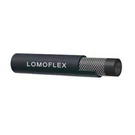
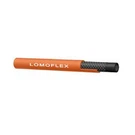
Before we dive into the tips, let's quickly go over what special hydraulic hoses are and how they work. Special hydraulic hoses are designed to handle high-pressure fluids in various applications, such as construction, agriculture, and manufacturing. They're made up of an inner tube, reinforcement layers, and an outer cover, all of which work together to provide strength, flexibility, and resistance to wear and tear.
One of the key factors that affect the flow of fluid in a special hydraulic hose is the diameter of the hose. A larger diameter hose will generally allow for a greater flow of fluid, but it may also be more expensive and heavier. On the other hand, a smaller diameter hose may be more cost-effective and lighter, but it may also restrict the flow of fluid.
Another important factor is the type of fluid being used. Different fluids have different viscosities, which can affect the flow rate and pressure drop in the hose. For example, a thicker fluid will require more pressure to flow through the hose, while a thinner fluid will flow more easily.
Tips for Ensuring Smooth Fluid Flow
Now that we have a better understanding of special hydraulic hoses, let's take a look at some tips for ensuring smooth fluid flow:
1. Choose the Right Hose Size and Type
As mentioned earlier, the diameter and type of hose you choose will have a big impact on the flow of fluid. Make sure to choose a hose that is the right size and type for your application. You can consult with a hydraulic hose expert or refer to the manufacturer's specifications to determine the best hose for your needs.
For example, if you're working with a high-pressure application, you may want to consider using a Sae100 R8 Thermoplastic Hose. This type of hose is designed to handle high pressures and is made from a thermoplastic material that is resistant to abrasion and chemicals.
If you're working with a lower-pressure application, a Sae100 R7 Thermoplastic Hose may be a better option. This type of hose is designed for low-pressure applications and is made from a thermoplastic material that is flexible and easy to install.
2. Keep the Hose Clean
Over time, dirt, debris, and other contaminants can build up inside the hose, which can restrict the flow of fluid. To prevent this from happening, it's important to keep the hose clean. You can do this by flushing the hose with a cleaning solution on a regular basis.
Make sure to use a cleaning solution that is compatible with the type of fluid being used in the hose. You can also use a hose cleaning tool to remove any stubborn dirt or debris.

3. Check for Leaks
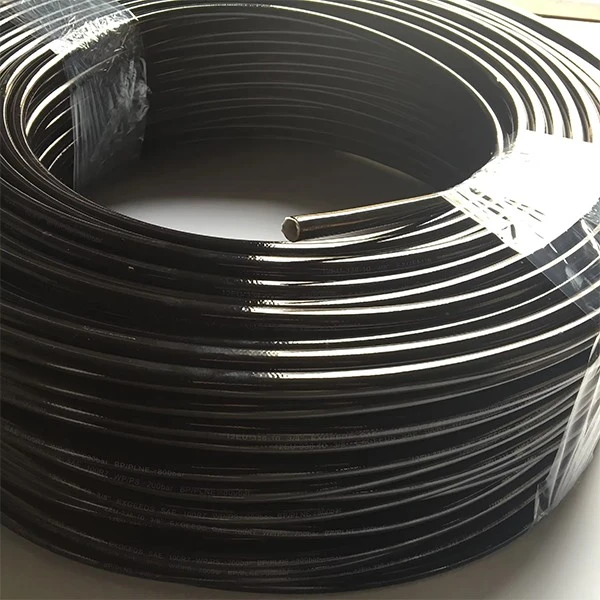
Leaks in the hose can also affect the flow of fluid. Make sure to check the hose regularly for leaks and repair them as soon as possible. You can do this by visually inspecting the hose for any signs of damage or by using a pressure test to check for leaks.
If you find a leak, make sure to replace the damaged section of the hose or the entire hose if necessary. It's also a good idea to use a high-quality hose fitting to ensure a tight seal and prevent leaks.
4. Avoid Sharp Bends and Kinks
Sharp bends and kinks in the hose can restrict the flow of fluid and cause damage to the hose. Make sure to avoid sharp bends and kinks when installing the hose. If you need to bend the hose, make sure to use a radius that is at least four times the diameter of the hose.
You can also use a hose protector to prevent the hose from being damaged by sharp edges or other objects.
5. Maintain the Proper Pressure
Maintaining the proper pressure in the hose is essential for ensuring smooth fluid flow. Make sure to follow the manufacturer's recommendations for the maximum pressure and flow rate of the hose. You can use a pressure gauge to monitor the pressure in the hose and adjust it as needed.
If the pressure in the hose is too high, it can cause the hose to burst or damage the fittings. If the pressure is too low, it can cause the fluid to flow too slowly or not at all.
Conclusion
Ensuring the smooth flow of fluid in a special hydraulic hose is essential for the proper functioning of your hydraulic system. By following the tips outlined in this blog, you can choose the right hose size and type, keep the hose clean, check for leaks, avoid sharp bends and kinks, and maintain the proper pressure.
If you have any questions or need help choosing the right special hydraulic hose for your application, please don't hesitate to contact us. We're here to help you get the most out of your hydraulic system.
References
- Manufacturer's specifications for special hydraulic hoses
- Hydraulic hose industry standards and guidelines
- Personal experience as a special hydraulic hose supplier