

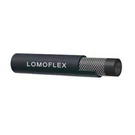
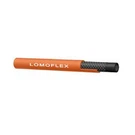


As a supplier of oxygen acetylene hoses, I understand the critical role these hoses play in various industrial applications. Identifying a high-quality oxygen acetylene hose is not just about ensuring efficient work processes; it is also about safeguarding the safety of workers and the integrity of operations. In this blog post, I will share some key factors to consider when evaluating the quality of these hoses, drawing from my experience in the industry.
Material Composition
The first and perhaps most fundamental aspect of a high-quality oxygen acetylene hose is its material composition. The inner tube, which comes into direct contact with the gases, should be made of a material resistant to the chemical properties of oxygen and acetylene. Typically, synthetic rubbers such as nitrile butadiene rubber (NBR) are used due to their excellent resistance to oil, fuel, and chemicals. This resistance prevents the inner tube from deteriorating over time, which could lead to gas leakage or even a more serious safety hazard.
The reinforcement layer is another crucial part of the hose. High-quality hoses often use multiple layers of braided or spiraled synthetic fibers like polyester or nylon. These fibers provide the hose with strength and flexibility, allowing it to withstand high pressures and repeated bending without losing its shape or integrity. For example, a double-braided hose offers better pressure resistance and durability compared to a single-braided one.
The outer cover of the hose protects it from external factors such as abrasion, sunlight, ozone, and weather conditions. A high-quality outer cover is made of a durable rubber compound that resists cuts, tears, and environmental damage. Additionally, it should have a smooth surface to prevent the accumulation of dirt and debris, which could potentially cause damage to the hose.
Pressure Rating
One of the most important specifications to look for in an oxygen acetylene hose is its pressure rating. The pressure rating indicates the maximum pressure the hose can safely withstand without bursting or leaking. It is crucial to choose a hose with a pressure rating that meets or exceeds the requirements of your specific application.
When working with oxygen and acetylene, high pressures are often involved. For example, oxygen is typically stored and delivered at higher pressures than acetylene. Therefore, the hose you select must be able to handle the pressure differentials between the two gases. A high-quality hose will have a clearly marked pressure rating on its surface, allowing you to easily verify its suitability for your needs.
It's also important to note that the pressure rating of a hose can be affected by factors such as temperature and the length of the hose. Higher temperatures can reduce the pressure rating of a hose, so it's essential to consider the operating environment when selecting a hose. Similarly, longer hoses may experience more pressure drop, which can impact the performance of the system.
Color Coding
Color coding is a standard practice in the industry for differentiating between oxygen and acetylene hoses. Oxygen hoses are typically green, while acetylene hoses are red. This color coding system helps prevent accidental cross-connections, which can lead to dangerous situations such as flashbacks or explosions.
When purchasing oxygen acetylene hoses, make sure that the hoses are clearly color-coded and that the colors meet the industry standards. High-quality hoses will have consistent and vibrant colors that do not fade or rub off easily. Additionally, the color coding should be visible along the entire length of the hose, ensuring that it is easily distinguishable at all times.
Fittings and Connectors
The fittings and connectors used on oxygen acetylene hoses are just as important as the hoses themselves. High-quality fittings are made of durable materials such as brass or stainless steel, which resist corrosion and provide a secure connection. The fittings should be properly sized and threaded to ensure a tight fit with the hose and the equipment.
When inspecting the fittings, look for signs of damage or wear, such as cracks, dents, or stripped threads. A damaged fitting can cause gas leakage, which not only wastes valuable resources but also poses a safety risk. Additionally, make sure that the fittings are compatible with the equipment you are using. Some applications may require specific types of fittings, such as quick-connect fittings or threaded fittings.
Flexibility
Flexibility is an important characteristic of oxygen acetylene hoses, especially in applications where the hoses need to be maneuvered around obstacles or in tight spaces. A high-quality hose will be flexible enough to bend easily without kinking or collapsing. This flexibility allows for easier installation and use, reducing the risk of damage to the hose and improving overall efficiency.
To test the flexibility of a hose, try bending it gently by hand. A flexible hose should be able to bend smoothly without any resistance or signs of damage. Avoid hoses that are stiff or brittle, as these may be more prone to cracking or breaking under normal use.
Brand Reputation and Certification
When purchasing oxygen acetylene hoses, it's important to consider the brand reputation and certification of the product. A reputable brand is more likely to produce high-quality hoses that meet or exceed industry standards. Look for brands that have a long history of producing reliable industrial hoses and have a good reputation among customers.


Certification is another important factor to consider. High-quality oxygen acetylene hoses should be certified by recognized organizations such as the International Organization for Standardization (ISO) or the American Society of Mechanical Engineers (ASME). These certifications ensure that the hoses have been tested and meet specific quality and safety standards.
Conclusion
Identifying a high-quality oxygen acetylene hose requires careful consideration of several factors, including material composition, pressure rating, color coding, fittings and connectors, flexibility, brand reputation, and certification. By taking the time to evaluate these factors, you can ensure that you are purchasing a hose that is safe, reliable, and suitable for your specific application.
If you are in the market for oxygen acetylene hoses, I invite you to explore our range of products at Oxygen Acetylene Hose. We also offer other types of industrial hoses, such as Fuel Oil Hose and Rubber Air Hose. Our team of experts is always available to assist you in selecting the right hose for your needs. Contact us today to start a discussion about your requirements and explore how we can help you with your industrial hose needs.
References
- Industrial Hose Handbook, various industry publications.
- Standards and guidelines from organizations such as ISO and ASME.