

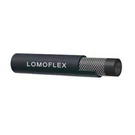
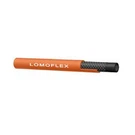


Hey there! As a rubber hose supplier, I've dealt with all sorts of rubber hoses in my time - from Oxygen Acetylene Hose to Lpg Hose and Fuel Oil Hose. One of the most common questions I get from customers is how to seal a rubber hose properly. It's a crucial step to ensure the hose functions effectively and safely, so I'm here to share some tips and tricks on this topic.
Why Sealing a Rubber Hose is Important
First off, let's talk about why sealing a rubber hose matters. A good seal prevents leaks, which can be a big deal depending on what the hose is carrying. For example, if it's an Oxygen Acetylene Hose, a leak could lead to a dangerous situation, as these gases are highly flammable. Even for less hazardous substances like water or air, leaks can reduce the efficiency of your system and cause unnecessary waste.
Sealing also helps to extend the lifespan of the hose. When a hose is properly sealed, it's less likely to be exposed to external elements that can cause damage, such as dirt, moisture, and chemicals. This means you won't have to replace your hoses as often, saving you both time and money in the long run.
Preparing to Seal the Rubber Hose
Before you start the sealing process, there are a few things you need to do to prepare. First, make sure you have the right tools and materials on hand. You'll typically need a hose clamp, which comes in different sizes and types. There are also specialized sealants available, depending on the application.
Next, clean the ends of the hose thoroughly. Any dirt, debris, or oil on the hose can prevent a good seal from forming. You can use a mild detergent and a clean cloth to wipe down the ends of the hose. Make sure to dry it completely before proceeding.
It's also important to measure the diameter of the hose accurately. This will help you choose the right size of hose clamp. If the clamp is too small, it won't fit properly and may damage the hose. If it's too big, it won't provide a tight enough seal.
Using a Hose Clamp
One of the most common ways to seal a rubber hose is by using a hose clamp. Here's how you do it:
- Position the Clamp: Place the hose clamp around the end of the hose where you want to create the seal. Make sure it's positioned evenly and centered on the hose.
- Insert the Fitting: Slide the fitting (such as a nipple or a connector) into the end of the hose. Push it in as far as it will go, making sure it's fully seated.
- Tighten the Clamp: Use a screwdriver or a clamp tightening tool to tighten the clamp. Start by tightening it a little bit at a time, checking to make sure the hose isn't being pinched or damaged. Keep tightening until the clamp is snug, but don't over-tighten it, as this can also cause damage to the hose.
Using Sealants
In some cases, you may need to use a sealant in addition to a hose clamp. Sealants can provide an extra layer of protection against leaks, especially in high-pressure or high-temperature applications.
- Choose the Right Sealant: There are different types of sealants available, so make sure you choose one that's suitable for your application. For example, if you're sealing a Fuel Oil Hose, you'll need a sealant that's resistant to oil and fuel.
- Apply the Sealant: Apply a thin layer of sealant to the inside of the hose and the outside of the fitting. Make sure to cover the entire surface area where the seal will be formed.
- Assemble the Hose and Fitting: Insert the fitting into the hose and twist it gently to spread the sealant evenly. Then, apply the hose clamp as described above.
Special Considerations for Different Types of Hoses
Different types of rubber hoses may require special considerations when it comes to sealing. For example:
- Oxygen Acetylene Hose: These hoses are used in welding and cutting applications, so they need to be sealed properly to prevent leaks of these flammable gases. Make sure to use a hose clamp that's specifically designed for high-pressure applications and a sealant that's compatible with oxygen and acetylene.
- Lpg Hose: LPG (liquefied petroleum gas) hoses are used to transfer propane or butane. They need to be sealed tightly to prevent gas leaks, which can be extremely dangerous. Use a hose clamp and a sealant that's resistant to LPG.
- Fuel Oil Hose: Fuel oil hoses are exposed to oil and fuel, so they need to be sealed with a material that can withstand these substances. Look for a sealant that's designed for use with fuel oil and a hose clamp that can provide a tight seal.
Testing the Seal
Once you've sealed the rubber hose, it's important to test the seal to make sure it's working properly. You can do this by applying pressure to the system and checking for any leaks. For example, if it's a water hose, turn on the water and look for any signs of dripping or spraying. If it's a gas hose, use a leak detector or a soapy water solution to check for leaks.
If you find a leak, don't panic. You may need to adjust the hose clamp or add more sealant. Just make sure to fix the problem before using the hose in a real-world application.
Maintaining the Sealed Hose
After you've successfully sealed the rubber hose, it's important to maintain it properly to ensure the seal lasts. Here are some tips:
- Regular Inspections: Check the hose and the seal regularly for any signs of wear, damage, or leaks. If you notice any problems, address them immediately.
- Keep it Clean: Keep the hose clean and free from dirt, debris, and chemicals. This will help prevent damage to the hose and the seal.
- Store it Properly: When not in use, store the hose in a cool, dry place. Avoid exposing it to direct sunlight or extreme temperatures, as this can cause the rubber to degrade.
Conclusion
Sealing a rubber hose is an important step in ensuring its proper function and longevity. By following the steps outlined in this blog post, you can seal your rubber hoses effectively and safely. Whether you're using an Oxygen Acetylene Hose, a Lpg Hose, or a Fuel Oil Hose, the right sealing techniques can make all the difference.
If you're in the market for high-quality rubber hoses or need more advice on sealing them, don't hesitate to reach out. We're here to help you find the best solutions for your needs. Contact us today to start a conversation about your rubber hose requirements.


References
- "Industrial Hoses: A Comprehensive Guide", Industrial Hose Association
- "Rubber Hose Sealing Techniques", Rubber Manufacturers Association