

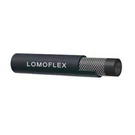
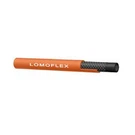


Determining the right size of suction and discharge hoses for a specific application is crucial to ensure optimal performance and efficiency. As a suction and discharge hose supplier, I've encountered numerous customers struggling with this decision. In this blog, I'll share some insights and guidelines to help you make the right choice.
Understanding the Basics
Before we dive into the details of hose sizing, let's quickly go over some basic concepts. Suction hoses are used to draw fluid from a source, while discharge hoses are used to deliver the fluid to its destination. The size of these hoses is typically determined by their inner diameter (ID), which affects the flow rate and pressure of the fluid.
Factors to Consider
Several factors come into play when determining the right size of suction and discharge hoses for your application. Here are some key considerations:
1. Flow Rate
The flow rate is the volume of fluid that needs to be transferred per unit of time. It's usually measured in gallons per minute (GPM) or liters per minute (LPM). To calculate the required flow rate, you need to know the volume of fluid you need to transfer and the time frame in which you need to transfer it.
For example, if you need to transfer 500 gallons of water in 10 minutes, your required flow rate would be 50 GPM (500 gallons / 10 minutes). Once you have the flow rate, you can use it to determine the appropriate hose size.
2. Pressure
The pressure in the system is another important factor to consider. Pressure is the force exerted by the fluid on the walls of the hose. It's usually measured in pounds per square inch (PSI) or bar. The pressure in the system can be affected by several factors, including the height of the fluid source, the length of the hose, and the type of fluid being transferred.
If the pressure in the system is too high, it can cause the hose to burst or leak. On the other hand, if the pressure is too low, it can result in a low flow rate and inefficient operation. Therefore, it's important to choose a hose that can withstand the pressure in your system.
3. Fluid Type
The type of fluid being transferred also plays a role in determining the right hose size. Different fluids have different viscosities, which can affect the flow rate and pressure in the system. For example, thick fluids like oil or sludge require a larger hose diameter to ensure a smooth flow.


In addition, some fluids may be corrosive or abrasive, which can damage the hose over time. Therefore, it's important to choose a hose that is compatible with the type of fluid being transferred. If you're transferring oil, you might want to check out our Suction and Discharge Oil Hose. And for water transfer, our Suction and Discharge Water Hose is a great option.
4. Hose Length
The length of the hose is another factor to consider. The longer the hose, the more resistance there will be to the flow of fluid. This can result in a lower flow rate and higher pressure drop. Therefore, it's important to choose a hose that is the appropriate length for your application.
If you need to transfer fluid over a long distance, you may need to use a larger hose diameter to compensate for the increased resistance. However, keep in mind that using a larger hose diameter can also increase the cost of the hose.
5. Fittings and Connections
The fittings and connections used with the hose can also affect its performance. It's important to choose fittings and connections that are compatible with the hose size and the type of fluid being transferred. In addition, the fittings and connections should be properly installed to ensure a leak-free connection.
Using a Hose Sizing Chart
One of the easiest ways to determine the right size of suction and discharge hoses for your application is to use a hose sizing chart. A hose sizing chart provides a guide for selecting the appropriate hose diameter based on the flow rate, pressure, and other factors.
Most hose manufacturers provide hose sizing charts on their websites or in their product catalogs. These charts typically list the recommended hose diameter for different flow rates and pressures. To use a hose sizing chart, simply find the flow rate and pressure in your system and then look for the corresponding recommended hose diameter.
However, keep in mind that a hose sizing chart is just a guide. It's important to consider all of the factors mentioned above when choosing a hose size. In some cases, you may need to consult with a hose expert to determine the best hose size for your application.
Example Calculation
Let's say you need to transfer water from a well to a storage tank. The well is 20 feet deep, and the storage tank is 50 feet away. You need to transfer 200 gallons of water in 15 minutes.
First, calculate the flow rate:
Flow rate = Volume / Time
Flow rate = 200 gallons / 15 minutes
Flow rate = 13.33 GPM
Next, consider the pressure in the system. The pressure in the system will be affected by the height of the well and the length of the hose. Assuming a standard atmospheric pressure of 14.7 PSI, the pressure at the bottom of the well will be approximately 8.7 PSI (20 feet x 0.433 PSI per foot).
The pressure drop in the hose will depend on the hose diameter, length, and flow rate. Using a hose sizing chart, you can estimate the pressure drop for different hose diameters. For example, if you choose a 1-inch diameter hose, the pressure drop may be approximately 2 PSI per 100 feet of hose.
Since the hose is 50 feet long, the total pressure drop in the hose will be approximately 1 PSI (2 PSI per 100 feet x 0.5). Therefore, the total pressure in the system will be approximately 9.7 PSI (8.7 PSI + 1 PSI).
Based on the flow rate and pressure in the system, you can use a hose sizing chart to determine the appropriate hose diameter. In this case, a 1-inch diameter hose would be a good choice, as it can handle the flow rate and pressure in the system.
Conclusion
Determining the right size of suction and discharge hoses for a specific application is a critical step in ensuring the efficient and reliable operation of your system. By considering factors such as flow rate, pressure, fluid type, hose length, and fittings, you can choose the appropriate hose size for your needs.
If you're still unsure about which hose size to choose, don't hesitate to reach out to us. As a suction and discharge hose supplier, we have the expertise and experience to help you find the right solution for your application. Whether you need a Suction and Discharge Oil Hose or a Suction and Discharge Water Hose, we've got you covered. Contact us today to start the procurement discussion and get the best hoses for your project.
References
- Industrial Hose Handbook, Various Industry Publications
- Hose Manufacturer Product Catalogs