

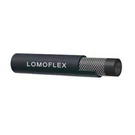



Hey there! As a supplier of suction and discharge water hoses, I know firsthand how important it is to store these hoses properly. Not only does it extend their lifespan, but it also ensures they're in top-notch condition when you need them. So, let's dive into some tips on how to store your suction and discharge water hoses the right way.
Clean Before Storage
First things first, always clean your hose before putting it away. Dirt, debris, and chemicals can cause damage over time. If the hose has been used to transport water with sediment, flush it out thoroughly with clean water. For hoses that have come into contact with chemicals, use a mild detergent solution. Make sure to rinse it completely to remove any soap residue. This simple step can prevent corrosion and blockages, keeping your hose in great shape.
Drain Completely
After cleaning, it's crucial to drain the hose completely. Water left inside can freeze in cold temperatures, causing the hose to crack. To drain it, hold one end of the hose lower than the other and let gravity do its thing. You can also use a hose squeegee to remove any remaining water. This will help prevent mold and mildew growth, which can weaken the hose material.
Coil Properly
When it comes to coiling your suction and discharge water hose, there are a couple of methods you can use. One way is to make large loops and stack them neatly. Avoid making tight coils, as this can lead to kinks and damage to the hose. Another option is to use a hose reel. A hose reel makes it easy to store and retrieve the hose, and it also keeps it organized. Just make sure to coil the hose evenly on the reel to prevent tangles.
Choose the Right Storage Location
The storage location plays a big role in the longevity of your hose. Ideally, you should store the hose in a cool, dry place away from direct sunlight. UV rays can cause the hose material to deteriorate over time, making it brittle and prone to cracking. A garage, shed, or storage closet is a great option. If you have to store the hose outside, cover it with a tarp to protect it from the elements.
Protect from Physical Damage
In addition to environmental factors, you also need to protect the hose from physical damage. Keep it away from sharp objects and heavy machinery that could puncture or crush it. If you're storing multiple hoses, make sure they're not stacked on top of each other in a way that could cause damage. You can also use hose protectors or guards to add an extra layer of protection.
Check Regularly
Even if you've stored your hose properly, it's a good idea to check it regularly. Look for signs of wear and tear, such as cracks, leaks, or bulges. If you notice any issues, it's best to address them as soon as possible. This can prevent further damage and ensure the hose is safe to use.
Consider the Hose Material
Different hose materials have different storage requirements. For example, rubber hoses are more flexible but can be more prone to damage from heat and chemicals. PVC hoses are more rigid and resistant to chemicals, but they can become brittle in cold temperatures. Make sure you understand the specific needs of your hose material and take appropriate storage measures.
Store Fittings Separately
If your suction and discharge water hose comes with fittings, it's a good idea to store them separately. Fittings can get damaged or lost if they're left attached to the hose during storage. Keep them in a labeled container to make it easy to find them when you need to use the hose again.
Use Storage Accessories
There are a variety of storage accessories available that can make storing your hose easier and more efficient. Hose hangers, hooks, and racks can help keep the hose off the ground and organized. You can also use hose bags or cases to protect the hose from dust and debris.
Don't Overcrowd
When storing your hose, make sure not to overcrowd the storage area. Overcrowding can cause the hose to become tangled or damaged. Leave enough space for the hose to breathe and move freely.
Follow Manufacturer's Instructions
Finally, always follow the manufacturer's instructions for storage. The manufacturer knows the specific requirements of the hose and can provide the best guidance on how to care for it. This can help ensure that your hose lasts as long as possible.
In conclusion, proper storage of your suction and discharge water hose is essential for its longevity and performance. By following these tips, you can keep your hose in great condition and ready to use whenever you need it. If you're in the market for a high-quality suction and discharge water hose, check out our Suction and Discharge Water Hose selection. We also offer Suction and Discharge Oil Hose for your oil transfer needs. If you have any questions or are interested in purchasing, feel free to reach out. We're here to help you find the right hose for your application.


References
- General knowledge in the industrial hose industry.
- Manufacturer guidelines for suction and discharge water hoses.