

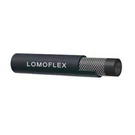
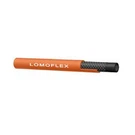


Hey there! As an air hose assembly supplier, I often get asked about the safety equipment that should be used with an air hose assembly. It's crucial to understand that using the right safety gear not only protects you but also ensures the efficient and long - lasting performance of your air hose assembly. So, let's dive into what safety equipment you should have in your toolkit.
Protective Eyewear
First up, protective eyewear is a must - have. When working with an air hose assembly, there's always a risk of debris, dust, or even small particles being blown into the air. These can cause serious eye injuries. Safety goggles or face shields are great options. They should fit well and provide a good seal around the eyes to prevent any foreign objects from getting in. For example, if you're using an air hose to clean a workshop or blow away sawdust, without proper eyewear, you could end up with particles in your eyes, which can be extremely painful and may even lead to vision problems. You can easily find high - quality safety goggles at your local hardware store or online.
Hearing Protection
Air hoses can be quite noisy, especially when the air pressure is high. Prolonged exposure to this noise can cause hearing damage over time. Earplugs or earmuffs are essential safety equipment in such cases. Earplugs are small and easy to carry around. They can be inserted into the ear canal to block out a significant amount of noise. Earmuffs, on the other hand, cover the entire ear and provide a more comprehensive noise - blocking solution. If you're using an air hose for an extended period, like in a large - scale industrial setting, investing in good - quality hearing protection is a no - brainer.

Gloves
Gloves are another important piece of safety equipment. They protect your hands from cuts, abrasions, and chemicals. When handling an air hose assembly, you might come into contact with sharp edges on the connectors or fittings. Gloves with a good grip also help you hold the hose firmly, reducing the risk of it slipping out of your hands. There are different types of gloves available, depending on the nature of your work. For example, if you're working in a chemical - filled environment, you'll need chemical - resistant gloves. If it's a general - purpose job, a pair of work gloves with good padding will do the trick.
Safety Boots
Safety boots are crucial when working with an air hose assembly. They protect your feet from falling objects, sharp tools, and even electrical hazards. A good pair of safety boots should have a steel toe cap to protect your toes from heavy objects that might accidentally drop on them. They should also have slip - resistant soles to prevent you from slipping on wet or oily surfaces. If you're working in an industrial environment where there's a lot of movement and potential for foot injuries, safety boots are non - negotiable.
Pressure Relief Valves
Pressure relief valves are an important part of the air hose assembly itself. They help prevent over - pressurization of the hose, which can lead to dangerous situations like hose bursts. A pressure relief valve is designed to open when the pressure inside the hose reaches a certain level, releasing the excess pressure safely. This not only protects the hose but also the people using it. Make sure your air hose assembly comes with a reliable pressure relief valve, and regularly check it to ensure it's working properly.
Hose Guards
Hose guards are used to protect the air hose from damage. They can prevent the hose from getting kinked, crushed, or abraded. A kinked hose can reduce the air flow and put extra stress on the assembly, leading to premature failure. Hose guards can be made of various materials, such as rubber or plastic. They are easy to install and can significantly extend the life of your air hose.
Respiratory Protection
In some cases, working with an air hose assembly might expose you to harmful fumes, dust, or vapors. In such situations, respiratory protection is necessary. A respirator can filter out these harmful substances, protecting your lungs. There are different types of respirators available, depending on the level of protection required. For example, if you're working in a dusty environment, a simple dust mask might be sufficient. But if you're dealing with toxic fumes, you'll need a more advanced respirator.
Now, if you're in the market for a high - quality Air Hose Assembly, we've got you covered. Our air hose assemblies are designed to meet the highest safety standards and are built to last. Whether you need a small - scale air hose for your home workshop or a large - scale industrial air hose, we have the right product for you.
If you're interested in learning more about our air hose assemblies or have any questions about the safety equipment we've discussed, don't hesitate to reach out. We're here to help you make the right choice for your needs. Contact us today to start the procurement process and ensure you have the best air hose assembly and safety equipment for your work.
References
- Occupational Safety and Health Administration (OSHA) guidelines on personal protective equipment.
- Manufacturer's manuals for air hose assemblies and safety equipment.