

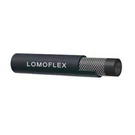
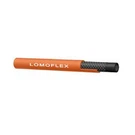


Hey there! As a supplier of suction and discharge oil hoses, I've got a lot to share about how to test the flexibility of these crucial industrial components. Flexibility is a big deal when it comes to suction and discharge oil hoses Suction and Discharge Oil Hose. It impacts how easily the hose can be installed, moved around, and used in different situations. So, let's dive right into the various ways we can test this important property.
Why Flexibility Matters
First off, we need to understand why flexibility is such a vital characteristic for suction and discharge oil hoses. In industrial settings, these hoses are often required to be routed through confined spaces, around obstacles, or adapted to different equipment configurations. If a hose is too rigid, it can be a real pain to install, and it may not be able to conform to the necessary bends and curves. This can lead to kinking, which restricts the flow of oil and can even cause damage to the hose over time.
Additionally, in applications where the hose needs to be frequently moved or repositioned, a flexible hose is much easier to handle. This reduces the time and effort required for operation and maintenance. Moreover, flexibility can also affect the overall lifespan of the hose. A more flexible hose is better able to withstand the stresses and strains of normal use, such as bending and twisting, without cracking or breaking.
Visual Inspection
The first step in testing the flexibility of a suction and discharge oil hose is a simple visual inspection. Take a good look at the hose and check for any signs of stiffness or brittleness. A flexible hose should be able to bend and flex without showing any signs of cracking or splitting. If you notice any hard spots or areas that seem overly rigid, it could be an indication of a problem.
While you're examining the hose, also check the outer cover. A well - made hose should have a smooth and uniform outer surface. Any bumps, lumps, or rough areas could interfere with the hose's ability to flex properly. Additionally, look for any signs of damage, such as cuts or abrasions, as these can weaken the hose and affect its flexibility.
Bend Test
One of the most straightforward ways to test the flexibility of a suction and discharge oil hose is the bend test. To perform this test, select a section of the hose and carefully bend it to a specific radius. The radius you choose will depend on the size and type of the hose, as well as the requirements of the application.
For example, if the hose is intended to be used in a tight space where it needs to make sharp bends, you might test it by bending it to a relatively small radius. As you bend the hose, pay close attention to how it responds. A flexible hose should bend smoothly without any resistance or kinking. If the hose resists bending or forms a kink when bent, it may not be flexible enough for your needs.
You can also try bending the hose back and forth several times to simulate the repeated flexing it may experience during normal use. This will give you a better idea of how well the hose can withstand cyclic bending without losing its flexibility.
Twist Test
In addition to the bend test, a twist test can also provide valuable information about the flexibility of a suction and discharge oil hose. To conduct a twist test, hold one end of the hose firmly and gently twist the other end. The amount of twist you apply will depend on the hose's specifications and the expected operating conditions.
As you twist the hose, observe how it behaves. A flexible hose should be able to twist without tearing or separating at the seams. If you notice any signs of damage, such as the outer cover splitting or the inner layers separating, it indicates that the hose may not have sufficient flexibility or may be of poor quality.
Temperature Effects
It's important to note that temperature can have a significant impact on the flexibility of a suction and discharge oil hose. In cold temperatures, most hoses will become stiffer and less flexible. Conversely, in hot temperatures, some hoses may become too soft and lose their shape.
To account for temperature effects, it's a good idea to test the flexibility of the hose at different temperatures. You can do this by storing the hose in a temperature - controlled environment and allowing it to reach the desired temperature before performing the bend and twist tests. This will give you a better understanding of how the hose will perform in various operating conditions.


Chemical Compatibility and Flexibility
Another factor that can affect the flexibility of a suction and discharge oil hose is chemical compatibility. If the hose is exposed to chemicals that it's not compatible with, it can cause the material to degrade and become less flexible.
Before using a hose in a particular application, make sure to check its chemical compatibility with the oil or other substances it will come into contact with. You can usually find this information in the hose's technical specifications. If there's any doubt, it may be worth conducting a small - scale compatibility test by exposing a small section of the hose to the chemical for a short period and then testing its flexibility.
Comparison with Similar Hoses
If you're still unsure about the flexibility of a particular suction and discharge oil hose, it can be helpful to compare it with similar hoses from different manufacturers or of different models. This can give you a better sense of how the hose stacks up in terms of flexibility.
When making comparisons, try to use hoses that are similar in size, construction, and intended application. You can perform the same bend and twist tests on each hose and note any differences in their flexibility. This can help you make a more informed decision when choosing a hose for your specific needs.
Conclusion
Testing the flexibility of a suction and discharge oil hose is crucial to ensure its proper performance and longevity. By using methods like visual inspection, bend tests, twist tests, and considering temperature and chemical effects, you can get a good understanding of how flexible a hose is and whether it's suitable for your application.
If you're in the market for high - quality suction and discharge oil hoses, Suction and Discharge Oil Hose is your go - to resource. We also offer suction and discharge water hoses at Suction and Discharge Water Hose. If you have any questions or are interested in purchasing our hoses, don't hesitate to reach out. We're here to help you find the perfect solution for your industrial needs.
References
- Industrial Hose Standards and Guidelines
- Manufacturer's Technical Documentation for Suction and Discharge Hoses