

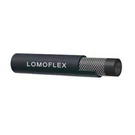
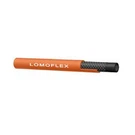


Determining the cost of a fuel oil hose involves considering a multitude of factors that can cause significant price variations in the market. As a fuel oil hose supplier, we understand the importance of transparency and providing our customers with a comprehensive understanding of what influences these costs.
Factors Affecting Fuel Oil Hose Cost
Hose Material
The material used in the construction of a fuel oil hose is one of the primary determinants of its cost. Common materials include rubber, thermoplastics, and metal. Rubber hoses are popular due to their flexibility, durability, and resistance to abrasion. However, they can vary in price depending on the type of rubber used. For example, synthetic rubber compounds designed for high - temperature and chemical resistance are more expensive than standard natural rubber.
Thermoplastic hoses, on the other hand, are lightweight and often more cost - effective in certain applications. They are also resistant to kinking, which can be an advantage in some industrial settings. Metal hoses, typically made of stainless steel or other alloys, offer high strength and are suitable for high - pressure and high - temperature applications. But they tend to be the most expensive option due to the cost of the raw materials and the manufacturing process.
Hose Size
The size of the fuel oil hose, including its inner diameter, outer diameter, and length, has a direct impact on its price. Larger diameter hoses are generally more expensive because they require more material to manufacture. Additionally, longer hoses cost more as they use a greater amount of the base material. For example, a fuel oil hose with a 2 - inch inner diameter will cost more than a 1 - inch inner diameter hose of the same length and material, and a 50 - foot long hose will be pricier than a 25 - foot long one of identical specifications.
Pressure Rating
Fuel oil hoses are designed to handle different pressure levels. Hoses with higher pressure ratings are more expensive because they are constructed with stronger materials and more advanced manufacturing techniques to ensure they can withstand the stress. For industrial applications where high - pressure fuel oil transfer is required, the hoses need to be engineered to prevent leaks and failures, which drives up the cost.
End Fittings
The end fittings of a fuel oil hose are crucial for proper installation and connection to other equipment. Different types of end fittings, such as flanges, couplings, and threaded ends, have different costs. Specialized or custom - made end fittings can be particularly expensive, as they require additional machining and may be made from high - quality materials to ensure a secure and leak - free connection.
Cost Ranges in the Market
In general, the cost of a basic fuel oil hose can start from as low as $10 for a short, small - diameter hose made of standard rubber with simple end fittings. These are often used in small - scale applications or for light - duty tasks.
For medium - duty fuel oil hoses with a moderate pressure rating and a more common size (e.g., 1 - 2 inches in inner diameter and 25 - 50 feet in length), the price can range from $50 to $200. These hoses are suitable for many commercial and industrial applications, such as fuel transfer in small - to - medium - sized vehicles or equipment.
High - end fuel oil hoses, designed for heavy - duty industrial use, high - pressure applications, or extreme environmental conditions, can cost upwards of $500. These hoses are made from premium materials, have high - quality end fittings, and undergo rigorous testing to ensure reliability and safety.


Comparison with Related Hoses
It's interesting to compare the cost of fuel oil hoses with other types of industrial hoses. For instance, an Oxygen Acetylene Hose is used in welding and cutting applications. These hoses are designed to handle the specific requirements of oxygen and acetylene gases, which include resistance to these gases and high - pressure capabilities. They can be priced similarly to fuel oil hoses, depending on their size, material, and pressure rating.
Rubber Water Hose is another common type of hose. Since water is a less aggressive fluid compared to fuel oil, rubber water hoses are generally less expensive. They are often used in gardening, light - industrial cleaning, and other water - related applications. The cost of a rubber water hose can range from a few dollars for a short, small - diameter hose to a few hundred dollars for a large - diameter, long - length hose with advanced features.
Lpg Hose is used for the transfer of liquefied petroleum gas. LPG hoses need to be highly resistant to the chemical properties of LPG and have strict safety requirements. As a result, they can be more expensive than some fuel oil hoses, especially those with high - pressure and high - safety ratings.
How to Get the Best Value
When purchasing a fuel oil hose, it's important to balance cost with quality and performance. Here are some tips to get the best value:
- Understand Your Requirements: Clearly define the application, pressure requirements, temperature range, and other specifications before making a purchase. This will help you avoid over - or under - specifying the hose.
- Compare Suppliers: Don't settle for the first supplier you find. Look for multiple fuel oil hose suppliers, request quotes, and compare their products and prices. Consider factors such as reputation, customer service, and warranty.
- Consider Long - Term Costs: A cheaper hose may seem like a good deal upfront, but it may require frequent replacement or cause operational problems in the long run. Invest in a high - quality hose that can provide reliable service over an extended period.
Contact for Purchase and Negotiation
If you are in the market for a fuel oil hose, we are here to assist you. Our team of experts can help you determine the right hose for your specific needs, provide detailed product information, and offer competitive pricing. Whether you need a single hose for a small project or a large quantity for an industrial application, we can meet your requirements.
We understand that every customer's situation is unique, and we are open to negotiation to ensure you get the best deal possible. Contact us today to start the conversation and take the first step towards finding the perfect fuel oil hose for your needs.
References
- Industrial Hose Handbook: A comprehensive guide to the types, materials, and applications of industrial hoses.
- Hose Manufacturer's Catalogs: Provide detailed information on product specifications and pricing.
- Industry Reports on Fuel Oil Hose Market: Analyze market trends, pricing, and competition.