

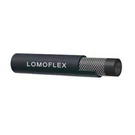
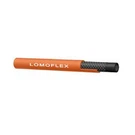


When it comes to getting the right suction and discharge water hose for a specific application, there are a bunch of factors you've gotta consider. I'm part of a suction and discharge water hose supplier, and I've seen firsthand how crucial it is to pick the correct hose. In this blog, I'll walk you through the key things to think about so you can make an informed decision.
1. Understand Your Application
First off, you need to have a clear idea of what you'll be using the hose for. Is it for industrial use, like in a factory where large volumes of water need to be moved quickly? Or maybe it's for agricultural purposes, like irrigating fields? Domestic applications, such as connecting a garden pump to a water source, also have their own requirements.
For industrial applications, the hose needs to be able to handle high pressures and large flow rates. These hoses often need to be resistant to abrasion, as they might be dragged across rough surfaces or come into contact with sharp objects. On the other hand, agricultural hoses might need to be flexible enough to be easily moved around the fields and resistant to UV rays, since they'll be exposed to sunlight for long periods.
2. Consider the Hose Material
The material of the hose plays a huge role in its performance and durability. There are several common materials used for suction and discharge water hoses, each with its own pros and cons.
- PVC (Polyvinyl Chloride): PVC hoses are lightweight, flexible, and relatively inexpensive. They're great for low - pressure applications, like garden use. However, they may not be as durable as other materials and can become brittle over time, especially in cold weather.
- Rubber: Rubber hoses are known for their durability and resistance to kinking. They can handle higher pressures and are suitable for a wide range of applications, from industrial to agricultural. They're also more resistant to chemicals and abrasion compared to PVC hoses. However, they're heavier and more expensive.
- Thermoplastic: Thermoplastic hoses combine the best of both worlds. They're lightweight like PVC hoses but offer better durability and flexibility. They can withstand a wide range of temperatures and are resistant to many chemicals. They're often used in industrial and commercial applications.
If you need more information on the different types of hoses, check out our Suction and Discharge Water Hose page, where you can find detailed product descriptions.


3. Check the Hose Size
The size of the hose is another important factor. The diameter of the hose affects the flow rate of water. A larger diameter hose will allow more water to flow through it, which is great for applications that require high flow rates, such as industrial pumping or large - scale irrigation. However, larger hoses are also heavier and more difficult to handle.
You also need to consider the length of the hose. The longer the hose, the more friction there will be, which can reduce the flow rate and pressure. So, you need to find a balance between the length you need and the impact it will have on the performance of your system.
4. Evaluate the Pressure Rating
The pressure rating of the hose indicates the maximum pressure it can safely handle. It's crucial to choose a hose with a pressure rating that is higher than the maximum pressure your system will generate. If you use a hose with a lower pressure rating, it could burst, which can be dangerous and cause damage to your equipment.
Industrial applications often require hoses with high pressure ratings, as they involve pumps that can generate significant pressure. Agricultural and domestic applications usually have lower pressure requirements, but it's still important to check the pressure rating to ensure safety.
5. Look for Additional Features
Some hoses come with additional features that can make them more suitable for specific applications. For example, some hoses have a wire helix reinforcement, which makes them more resistant to kinking. This is especially useful if you need to move the hose around a lot or if it will be bent at odd angles.
Other hoses may have a special coating that makes them resistant to mildew or bacteria growth. This is important for applications where the water will be used for drinking or in food - processing industries.
6. Compatibility with Fittings
The hose needs to be compatible with the fittings you'll be using. Different applications may require different types of fittings, such as threaded fittings, quick - connect fittings, or flanged fittings. Make sure the hose you choose has the right end - connections to match your fittings.
7. Consider the Environment
The environment in which the hose will be used is also an important factor. If the hose will be exposed to extreme temperatures, you need to choose a hose material that can withstand those temperatures. For example, in cold climates, you may want to choose a rubber or thermoplastic hose that is more resistant to cold - cracking.
If the hose will be used in an area with a lot of chemicals or solvents, you need to make sure the hose material is resistant to those substances. Industrial environments may also expose the hose to mechanical stress, so it's important to choose a hose that is abrasion - resistant.
8. Evaluate the Cost
Of course, cost is always a factor when making a purchase. You need to balance the cost of the hose with its performance and durability. While it may be tempting to go for the cheapest option, a low - quality hose may end up costing you more in the long run if it needs to be replaced frequently.
On the other hand, you don't necessarily need to buy the most expensive hose on the market. By considering all the factors mentioned above, you can find a hose that offers the best value for your money.
If you're also interested in hoses for oil applications, we have a great selection of Suction and Discharge Oil Hose.
Conclusion
Choosing the right suction and discharge water hose for a specific application is not as simple as it may seem. You need to consider your application, the hose material, size, pressure rating, additional features, compatibility with fittings, the environment, and the cost. By taking the time to evaluate all these factors, you can ensure that you get a hose that will perform well and last for a long time.
If you're still unsure which hose is right for your application, don't hesitate to contact us. Our team of experts is always ready to help you make the best choice. Whether you have a small domestic project or a large - scale industrial application, we can provide you with the right hose and ensure a smooth purchasing process. Let's talk about your requirements and find the perfect solution together.
References
- Blachly, B. (2019). Industrial Hose Handbook. Industrial Press.
- Hose Manufacturer's Institute. (2021). Hose Selection Guide.