

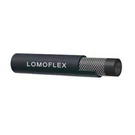



When it comes to industrial operations, a reliable rubber air hose is essential. However, one of the most significant challenges faced during cold weather is the freezing of these hoses. As a trusted rubber air hose supplier, we understand the importance of keeping your hoses in optimal condition, even in the harshest of environments. In this blog post, we'll explore practical strategies to prevent a rubber air hose from freezing in cold weather.
Understanding the Problem
Before diving into solutions, it's crucial to understand why rubber air hoses freeze. Freezing typically occurs when water vapor within the compressed air inside the hose condenses and turns into ice. This can happen for several reasons, including temperature fluctuations, high humidity levels, and inadequate drainage. Once ice forms inside the hose, it can restrict the flow of air, reduce the efficiency of your equipment, and even cause damage to the hose itself.


Insulation
One of the most effective ways to prevent a rubber air hose from freezing is through insulation. Insulating your hose helps to maintain a consistent temperature, reducing the risk of condensation and ice formation. There are several types of insulation materials available, including foam, fiberglass, and rubber. Foam insulation is a popular choice due to its ease of installation and excellent insulating properties. Simply wrap the foam insulation around the hose, securing it with tape or zip ties. Make sure to cover the entire length of the hose, including any connections or joints.
Heat Tracing
Heat tracing is another effective method for preventing hose freezing. Heat tracing involves installing a heating element along the length of the hose to keep it warm. There are two main types of heat tracing systems: self-regulating and constant wattage. Self-regulating heat tracing systems adjust the amount of heat output based on the temperature of the hose, making them energy-efficient and reliable. Constant wattage heat tracing systems provide a consistent amount of heat, regardless of the temperature. When choosing a heat tracing system, consider the length and diameter of your hose, as well as the ambient temperature and humidity levels.
Drainage
Proper drainage is essential for preventing water from accumulating inside the hose and causing freezing. Make sure your air compressor has a drain valve to remove excess moisture from the compressed air. Additionally, install a water separator or filter along the air line to remove any remaining water droplets. Regularly check and drain the water separator to ensure it is functioning properly. Another option is to use a drain valve at the end of the hose to remove any water that may have collected during use.
Storage
Proper storage of your rubber air hose during cold weather is also crucial. When not in use, drain the hose completely and store it in a warm, dry place. Avoid leaving the hose outside or in a cold, damp environment, as this can increase the risk of freezing. If possible, coil the hose and store it in a protective container or bag to prevent damage.
Pressure Management
Maintaining the right pressure in your rubber air hose can also help prevent freezing. Over-pressurizing the hose can cause air to expand and cool rapidly, leading to condensation and ice formation. On the other hand, under-pressurizing the hose can reduce the flow of air, making it more difficult to remove moisture. Make sure to follow the manufacturer's recommendations for pressure settings and regularly check the pressure gauge to ensure it is within the appropriate range.
Use of Anti-Freeze Solutions
In some cases, using an anti-freeze solution can help prevent a rubber air hose from freezing. There are several types of anti-freeze solutions available, including those made specifically for air hoses. These solutions work by lowering the freezing point of the water inside the hose, reducing the risk of ice formation. When using an anti-freeze solution, make sure to follow the manufacturer's instructions carefully and use the recommended amount.
Regular Maintenance
Regular maintenance of your rubber air hose is essential for preventing freezing and ensuring its long-term performance. Inspect the hose regularly for signs of damage, such as cracks, leaks, or abrasions. Replace any damaged parts immediately to prevent further problems. Additionally, clean the hose regularly to remove any dirt, debris, or moisture that may have accumulated inside.
Choosing the Right Hose
When selecting a rubber air hose, it's important to choose one that is designed for cold weather use. Look for hoses that are made from materials that are resistant to cold temperatures and have good insulation properties. Rubber Air Hose is a great option for cold weather applications, as it is made from high-quality rubber that is durable and flexible. Additionally, consider the length and diameter of the hose, as well as the type of connections and fittings.
Related Products
In addition to Rubber Air Hose, we also offer other types of hoses that are suitable for cold weather use, such as Twin Welding Hose and Oxygen Acetylene Hose. These hoses are designed to withstand high pressures and extreme temperatures, making them ideal for a variety of industrial applications.
Conclusion
Preventing a rubber air hose from freezing in cold weather is essential for maintaining the efficiency and reliability of your equipment. By following the strategies outlined in this blog post, you can protect your hoses from damage and ensure they continue to perform at their best. As a leading rubber air hose supplier, we are committed to providing our customers with high-quality products and expert advice. If you have any questions or need further assistance, please don't hesitate to contact us. We look forward to helping you find the right solution for your needs.
References
- "Industrial Hoses: A Guide to Selection and Use." Parker Hannifin Corporation.
- "Cold Weather Considerations for Air Compressors and Hoses." Quincy Compressor.
- "Preventing Freezing in Compressed Air Systems." Ingersoll Rand.