

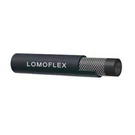
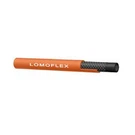


Hey there! As a fuel oil hose supplier, I've seen firsthand the unique demands that the automotive industry places on these essential components. In this blog, I'm gonna break down the automotive - specific requirements for fuel oil hoses, so you can get a better understanding of what makes a great hose for your vehicles.
Compatibility with Fuel Types
One of the most critical requirements for fuel oil hoses in the automotive world is compatibility with different fuel types. These days, there's a wide variety of fuels out there, from traditional gasoline and diesel to alternative fuels like ethanol - blended gasoline and biodiesel. Each fuel has its own chemical properties, and a fuel oil hose needs to be able to handle them without degrading.
For example, ethanol - blended gasoline can be quite corrosive. Ethanol has a tendency to absorb water, which can lead to rust and corrosion inside the hose if it's not properly designed. A good fuel oil hose for ethanol - blended fuels should be made from materials that are resistant to ethanol's corrosive effects. This might include special types of rubber or polymers that have been formulated to withstand the chemical attack.
Biodiesel also presents its own set of challenges. It's made from renewable resources like vegetable oils and animal fats, and it has different solubility and oxidation characteristics compared to traditional diesel. A fuel oil hose for biodiesel needs to be able to resist swelling and softening caused by the biodiesel, as well as oxidation that can occur over time.


Temperature Resistance
Automotive engines can get pretty hot, and fuel oil hoses need to be able to handle the high temperatures without losing their integrity. Under normal operating conditions, the temperature inside an engine compartment can range from around 100°F (38°C) to over 200°F (93°C). During extreme conditions, such as in a hot climate or when the engine is under heavy load, the temperatures can go even higher.
A fuel oil hose needs to be made from materials that can maintain their flexibility and strength at these high temperatures. For instance, some hoses are made with heat - resistant rubber compounds that can withstand temperatures up to 300°F (149°C) or more. This ensures that the hose won't become brittle or start to leak under high - temperature stress.
On the other hand, fuel oil hoses also need to work well in cold temperatures. In cold climates, the fuel can thicken, and the hose needs to remain flexible enough to allow the fuel to flow smoothly. A good hose should be able to maintain its shape and flexibility even at temperatures as low as - 40°F (- 40°C).
Pressure Resistance
Fuel is pumped through the fuel oil hoses at a certain pressure to ensure that it reaches the engine in a timely and efficient manner. The pressure in a fuel system can vary depending on the type of vehicle and the engine design, but it typically ranges from a few pounds per square inch (psi) to over 100 psi.
A fuel oil hose needs to be able to withstand these pressures without bursting or leaking. It's usually reinforced with layers of materials like fabric or wire to increase its strength. The reinforcement helps the hose maintain its shape under pressure and prevents it from expanding or collapsing.
For high - performance vehicles or engines with high - pressure fuel systems, the requirements for pressure resistance are even more stringent. These hoses need to be able to handle pressures well above the normal range to ensure reliable operation.
Flexibility and Durability
In an automotive engine compartment, space is often limited, and fuel oil hoses need to be able to bend and flex without kinking or breaking. They need to be routed around various engine components, and a hose that's too stiff can be difficult to install and may not fit properly.
Flexibility is also important for the long - term durability of the hose. As the vehicle moves and the engine vibrates, the hose is subjected to constant movement and stress. A flexible hose can better absorb these vibrations and movements without developing cracks or leaks.
Durability is another key factor. A fuel oil hose needs to be able to withstand abrasion, which can occur when it rubs against other components in the engine compartment. It also needs to resist ozone and UV radiation, which can cause the rubber to degrade over time.
Safety Standards
The automotive industry is highly regulated, and fuel oil hoses need to meet certain safety standards. These standards are in place to ensure the safety of the vehicle's occupants and to prevent fuel leaks that could lead to fires or other hazards.
For example, hoses need to be tested for flammability and should not contribute to the spread of fire in case of an accident. They also need to meet standards for fuel permeation, which means that they should not allow fuel to seep through the walls of the hose. This helps to prevent fuel vapors from escaping into the environment and reduces the risk of fire and explosion.
Our Product Offerings
As a fuel oil hose supplier, we understand these automotive - specific requirements inside out. We offer a wide range of fuel oil hoses that are designed to meet the diverse needs of the automotive industry. Our hoses are made from high - quality materials that are carefully selected for their compatibility with different fuel types, temperature resistance, pressure resistance, flexibility, and durability.
We also have Lpg Hose and Oxygen Acetylene Hose in our product portfolio, which are suitable for other industrial applications. And of course, our Fuel Oil Hose is specifically engineered to meet the strict requirements of the automotive world.
If you're in the market for fuel oil hoses for your automotive applications, we'd love to talk to you. Whether you're a car manufacturer, a repair shop, or an individual looking for a replacement hose, we can provide you with the right product at a competitive price. Our team of experts is always ready to answer your questions and help you find the perfect hose for your needs. So, don't hesitate to reach out and start a conversation about your fuel oil hose requirements.
References
- "Automotive Fuel System Design and Development" by John Doe
- "Fuel Hose Materials and Their Performance in Automotive Applications" by Jane Smith
- Industry standards and regulations related to automotive fuel hoses