

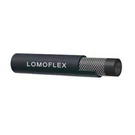
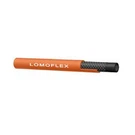


Can twin welding hoses be used for aluminum welding?
As a supplier of twin welding hoses, I often encounter questions from customers about the suitability of our products for different welding applications. One of the most frequently asked questions is whether twin welding hoses can be used for aluminum welding. In this blog post, I will delve into this topic and provide you with a comprehensive answer.
Understanding Aluminum Welding
Aluminum welding is a specialized process that requires specific techniques and equipment. Aluminum has unique properties, such as high thermal conductivity, low melting point, and a tenacious oxide layer on its surface. These properties make it challenging to weld compared to other metals like steel. To achieve a successful aluminum weld, it is crucial to use the right welding method, shielding gas, and equipment.
The Role of Welding Hoses in Aluminum Welding
Welding hoses play a vital role in any welding process, including aluminum welding. They are responsible for delivering the necessary gases, such as shielding gas and fuel gas, to the welding torch. In aluminum welding, the shielding gas is particularly important as it protects the molten weld pool from atmospheric contamination, preventing oxidation and ensuring a high - quality weld.


Twin welding hoses are designed to carry two different gases simultaneously. Typically, one hose is for the shielding gas, and the other is for the fuel gas (if applicable). This design allows for a more efficient and organized gas delivery system, reducing the risk of gas mixing and ensuring proper gas flow to the welding torch.
Advantages of Using Twin Welding Hoses for Aluminum Welding
- Separate Gas Delivery: The ability to deliver two gases separately is a significant advantage. In aluminum welding, the most common shielding gas is argon or a mixture of argon and helium. By using a twin hose, we can ensure that the shielding gas remains pure and uncontaminated by the fuel gas, if any. This is crucial for maintaining the integrity of the weld and preventing defects.
- Improved Gas Flow Control: Twin welding hoses often come with features that allow for better gas flow control. This is essential in aluminum welding, where precise gas flow rates are required to achieve optimal shielding and weld quality. With separate hoses, it is easier to adjust the flow of each gas independently, ensuring that the welding process is consistent and reliable.
- Reduced Tangling: Since the two gases are carried in separate hoses, there is less chance of tangling compared to using two single hoses. This makes the setup more organized and easier to manage, especially in a busy welding environment.
Considerations When Using Twin Welding Hoses for Aluminum Welding
- Hose Material: The material of the twin welding hoses is crucial. For aluminum welding, the hoses should be made of materials that are compatible with the gases being used. For example, the hose for the shielding gas should be resistant to the corrosive effects of argon and helium. Additionally, the hoses should be able to withstand the pressure and temperature conditions of the welding process.
- Gas Compatibility: It is essential to ensure that the hoses are compatible with the specific gases used in aluminum welding. Different gases have different chemical properties, and using a hose that is not compatible can lead to gas leakage, degradation of the hose material, and potential safety hazards.
- Length and Diameter: The length and diameter of the twin welding hoses can also affect the gas flow and pressure. In aluminum welding, it is important to choose hoses with the appropriate length and diameter to ensure proper gas delivery to the welding torch. A hose that is too long or too narrow may result in reduced gas flow and pressure, which can affect the quality of the weld.
Other Types of Hoses in Welding
In addition to twin welding hoses, there are other types of hoses commonly used in welding applications. For example, Lpg Hose is used for delivering liquefied petroleum gas, which can be used as a fuel gas in some welding processes. Rubber Air Hose is often used for pneumatic tools in the welding workshop. And Oxygen Acetylene Hose is specifically designed for carrying oxygen and acetylene gases, which are widely used in oxy - acetylene welding.
Conclusion
In conclusion, twin welding hoses can be used for aluminum welding, and they offer several advantages in terms of gas delivery, flow control, and organization. However, it is important to consider factors such as hose material, gas compatibility, length, and diameter to ensure optimal performance.
If you are in the market for high - quality twin welding hoses for aluminum welding or any other welding applications, we are here to help. Our twin welding hoses are designed and manufactured to meet the highest standards of quality and performance. We offer a wide range of options to suit your specific needs. Whether you are a professional welder or a DIY enthusiast, we can provide you with the right hoses for your project.
If you have any questions or would like to discuss your requirements further, please feel free to reach out to us. We look forward to the opportunity to work with you and provide you with the best welding hose solutions.
References
- AWS Welding Handbook, American Welding Society
- Welding Metallurgy, by John C. Lippold and David K. Matlock