

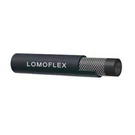
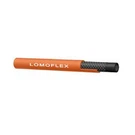


As a wire braid hose supplier, I've seen firsthand the many advantages these hoses offer in various industrial applications. They're known for their flexibility, durability, and ability to handle high pressures, making them a popular choice in hydraulic systems, automotive, and manufacturing sectors. However, it's important to have an honest conversation about the disadvantages of wire braid hoses. Understanding these drawbacks can help customers make informed decisions when selecting the right hoses for their specific needs.
1. Limited Pressure Resistance Compared to Wire Spiral Hoses
One of the primary limitations of wire braid hoses is their pressure handling capacity. While they can handle relatively high pressures, they fall short when compared to wire spiral hoses. Wire braid hoses typically have a lower burst pressure rating. This means that in applications where extremely high pressures are involved, such as in heavy - duty hydraulic machinery used in construction or mining, wire braid hoses may not be the best option.
For instance, in a hydraulic press that requires a hose to withstand pressures upwards of 5000 psi, a wire braid hose might struggle to maintain its integrity over time. The constant stress from high pressures can cause the braided wire reinforcement to fatigue, leading to potential leaks or even hose failure. In such cases, wire spiral hoses, which are designed to handle much higher pressures, would be a more suitable alternative.
2. Higher Cost per Unit Length
Another disadvantage of wire braid hoses is their cost. The manufacturing process of wire braid hoses involves intricate weaving of wire around the inner tube, which adds to the production cost. Compared to non - reinforced or less complex hoses, wire braid hoses are generally more expensive per unit length.
This cost factor can be a significant consideration, especially for large - scale projects where a substantial amount of hose is required. For example, in an automotive assembly line where hundreds of feet of hoses are used, the higher cost of wire braid hoses can significantly increase the overall production cost. Customers may need to balance the benefits of the hose's performance against the additional expense, and in some cases, they may opt for more cost - effective alternatives, even if they offer slightly lower performance.
3. Susceptibility to Abrasion
Wire braid hoses are more prone to abrasion compared to some other types of hoses. The outer cover of the hose, which protects the inner tube and the braided wire reinforcement, can be damaged when it comes into contact with rough surfaces or sharp objects. In industrial environments where hoses are often exposed to moving machinery, sharp edges, or abrasive materials, this can be a major issue.
For example, in a mining operation, hoses may be dragged across rocky surfaces or come into contact with heavy equipment. The constant rubbing can wear down the outer cover of the wire braid hose, exposing the braided wire reinforcement. Once the wire is exposed, it can corrode over time, reducing the hose's strength and lifespan. To mitigate this problem, additional protective sleeves or guards may need to be installed, which adds to the overall cost and complexity of the installation.
4. Difficulty in Customization
Customizing wire braid hoses can be a challenging and time - consuming process. The braiding process is designed to maintain a specific structure and pattern, and any deviation from the standard design can affect the hose's performance. When customers require non - standard lengths, fittings, or special configurations, it can be difficult for manufacturers to accommodate these requests without compromising the hose's integrity.
For example, if a customer needs a wire braid hose with a unique bend radius or a custom - made fitting, the manufacturer may have to modify the production process. This can lead to longer lead times and potentially higher costs. In comparison, some other types of hoses, such as thermoplastic hoses, are more easily customizable, allowing for quicker turnaround times and more flexibility in meeting customer requirements.
5. Environmental Sensitivity
Wire braid hoses can be sensitive to certain environmental conditions. Exposure to extreme temperatures, chemicals, and UV radiation can have a negative impact on the hose's performance and lifespan.
In high - temperature environments, the rubber compounds used in the inner tube and outer cover of the wire braid hose can degrade. This can lead to a loss of flexibility, cracking, and reduced pressure resistance. On the other hand, in extremely cold temperatures, the rubber can become brittle, making the hose more prone to damage.
Chemicals can also pose a threat to wire braid hoses. Certain solvents, acids, and alkalis can react with the rubber and the wire reinforcement, causing corrosion and weakening the hose. For example, in a chemical processing plant, hoses that come into contact with aggressive chemicals may need to be replaced more frequently.
UV radiation from sunlight can also cause the outer cover of the wire braid hose to deteriorate over time. The UV rays can break down the polymers in the rubber, leading to discoloration, cracking, and loss of strength. This is particularly a concern for hoses that are installed outdoors or in areas with high sunlight exposure.


6. Limited Flexibility in Tight Spaces
Although wire braid hoses are known for their flexibility, they have limitations when it comes to tight spaces. The braided wire reinforcement provides structure and strength to the hose, but it also restricts the hose's ability to bend sharply. In applications where hoses need to be routed through narrow gaps or around tight corners, wire braid hoses may not be the best choice.
For example, in a small - engine compartment of a motorcycle, where space is extremely limited, a wire braid hose may be difficult to install without kinking or causing excessive stress on the hose. In such cases, more flexible hoses, such as thermoplastic hoses, may be a better option as they can be bent more easily to fit into tight spaces.
7. Maintenance Requirements
Wire braid hoses require regular maintenance to ensure their optimal performance and longevity. Inspecting the hoses for signs of wear, such as abrasion, cracks, or leaks, is essential. Additionally, the fittings need to be checked regularly to ensure they are tight and secure.
The maintenance process can be time - consuming and labor - intensive, especially in large industrial facilities with a large number of hoses. For example, in a manufacturing plant with hundreds of wire braid hoses, a comprehensive inspection can take several hours or even days. If maintenance is neglected, the risk of hose failure increases, which can lead to costly downtime and potential safety hazards.
Product - Specific Considerations
When considering wire braid hoses, it's important to look at specific product standards. For example, Din En857 1sc and Din En857 2sc are standards for hydraulic hoses. These hoses, while offering certain performance characteristics, still carry the general disadvantages mentioned above. The same goes for Sae100 R5 hoses, which are also wire braid hoses with their own set of performance and limitation factors.
Despite these disadvantages, wire braid hoses still have their place in many applications. Their unique combination of flexibility, strength, and pressure - handling capabilities makes them a popular choice for a wide range of industries. At our company, we understand the challenges that wire braid hoses present, and we're committed to helping our customers make the best decisions for their specific needs.
If you're considering wire braid hoses for your project, we encourage you to reach out to us for a detailed discussion. Our team of experts can help you evaluate the pros and cons based on your application requirements and provide you with the best possible solutions. Whether you need advice on hose selection, installation, or maintenance, we're here to assist you. Contact us today to start a conversation about how we can meet your wire braid hose needs.
References
- "Hydraulic Hose Handbook" by Eaton Corporation
- "Hose Design and Application" by Parker Hannifin Corporation
- Industry reports on hose manufacturing and performance from leading research firms