



As a seasoned supplier of textile braid hoses, I've witnessed firsthand the critical role these hoses play in various industries. One of the most significant factors that can impact their performance is temperature, especially low temperatures. In this blog, I'll delve into the low-temperature performance of textile braid hoses, exploring how cold conditions can affect their functionality and what you need to consider when using them in chilly environments.
Understanding Textile Braid Hoses
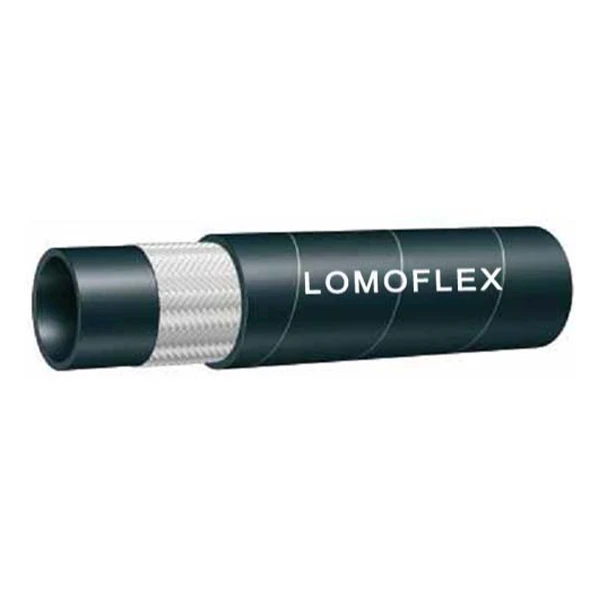
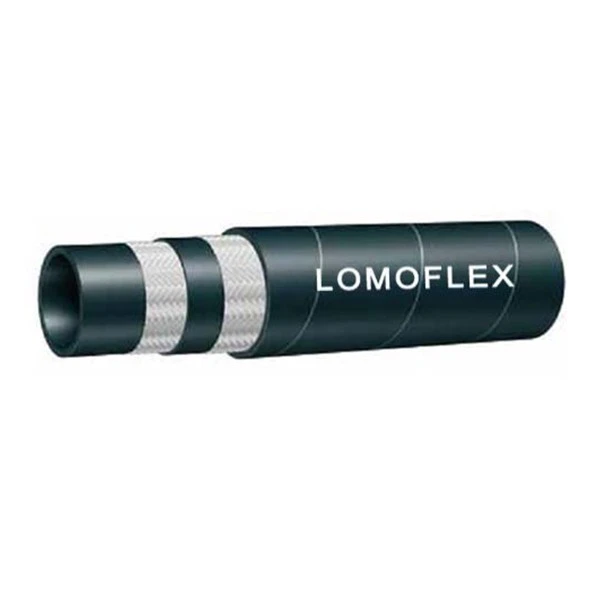
Before we dive into the low-temperature performance, let's briefly understand what textile braid hoses are. These hoses are typically made up of an inner tube, a textile braid reinforcement layer, and an outer cover. The inner tube is designed to carry the fluid, while the textile braid provides strength and flexibility. The outer cover protects the hose from external damage, abrasion, and environmental factors.
Textile braid hoses are commonly used in hydraulic systems, pneumatic systems, and other applications where flexibility and moderate pressure resistance are required. They are lightweight, easy to install, and cost-effective, making them a popular choice for many industries.
How Low Temperatures Affect Textile Braid Hoses
Low temperatures can have several adverse effects on textile braid hoses, including:
Hardening of the Inner Tube
The inner tube of a textile braid hose is usually made of rubber or a rubber-like material. When exposed to low temperatures, these materials can harden, reducing their flexibility and elasticity. This can make it difficult for the hose to bend and flex, increasing the risk of kinking and cracking. Hardening of the inner tube can also lead to a decrease in the hose's flow capacity, as the reduced flexibility restricts the movement of the fluid inside the hose.
Brittleness of the Outer Cover
Similar to the inner tube, the outer cover of a textile braid hose can become brittle in cold temperatures. This makes the cover more susceptible to cracking and tearing, which can expose the inner layers of the hose to damage. Once the outer cover is compromised, the hose is more vulnerable to abrasion, chemical exposure, and other environmental factors, reducing its overall lifespan.
Reduced Adhesion between Layers
The textile braid reinforcement layer is bonded to the inner tube and outer cover to provide structural integrity. However, low temperatures can cause the adhesive between these layers to weaken, leading to delamination. Delamination can significantly reduce the strength and pressure resistance of the hose, increasing the risk of failure.
Increased Stiffness of the Braid
The textile braid itself can also become stiffer in cold temperatures, reducing the hose's flexibility. This can make it more challenging to install the hose and can increase the stress on the connections, potentially leading to leaks.
Evaluating the Low-Temperature Performance of Textile Braid Hoses
To ensure that textile braid hoses can perform effectively in low-temperature environments, it's essential to evaluate their low-temperature performance. Here are some key factors to consider:
Temperature Rating
The temperature rating of a textile braid hose indicates the minimum and maximum temperatures at which the hose can safely operate. When selecting a hose for a low-temperature application, make sure to choose one with a temperature rating that is suitable for the expected operating conditions. For example, if you need a hose for an application where the temperature can drop to -40°C, you should choose a hose with a minimum temperature rating of at least -40°C.
Material Selection
The materials used in the construction of the hose can have a significant impact on its low-temperature performance. Look for hoses that are made from materials that are known for their cold resistance, such as nitrile rubber (NBR) or ethylene propylene diene monomer (EPDM). These materials can maintain their flexibility and elasticity at lower temperatures, reducing the risk of hardening and cracking.
Testing and Certification
Reputable textile braid hose manufacturers will conduct extensive testing to ensure that their hoses meet the required standards for low-temperature performance. Look for hoses that have been tested and certified to relevant industry standards, such as Din En854 1te Or Sae 100 R6 or Din En854 3te Or Sae 100 R3. These certifications provide assurance that the hoses have been tested and meet the specified performance criteria.
Tips for Using Textile Braid Hoses in Low-Temperature Environments
If you need to use textile braid hoses in low-temperature environments, here are some tips to help ensure their optimal performance:
Preheat the Hoses
If possible, preheat the hoses before installation to increase their flexibility. This can make it easier to bend and install the hoses without causing damage. However, make sure to follow the manufacturer's recommendations for preheating to avoid overheating the hoses.
Insulate the Hoses
Insulating the hoses can help to maintain their temperature and prevent them from getting too cold. You can use insulation materials such as foam sleeves or heat tape to wrap the hoses. This can also help to reduce heat loss from the fluid inside the hoses, improving the overall efficiency of the system.
Use Proper Fittings and Connections
Make sure to use fittings and connections that are suitable for low-temperature applications. Some fittings may become brittle or lose their sealing properties in cold temperatures, increasing the risk of leaks. Choose fittings that are made from materials that are resistant to cold and have been tested for low-temperature performance.
Regularly Inspect the Hoses
Regularly inspect the hoses for signs of damage, such as cracking, kinking, or delamination. If you notice any issues, replace the hoses immediately to prevent further damage and ensure the safety of the system. It's also a good idea to perform regular maintenance on the hoses, such as cleaning and lubricating the connections, to keep them in good condition.
Conclusion
The low-temperature performance of textile braid hoses is a critical factor to consider when using them in cold environments. By understanding how low temperatures can affect these hoses and taking the necessary precautions, you can ensure their optimal performance and longevity. As a textile braid hose supplier, I'm committed to providing high-quality hoses that are designed to withstand the challenges of low-temperature applications. If you have any questions or need help selecting the right hose for your specific needs, please don't hesitate to [contact us for a purchase negotiation]. Our team of experts is here to assist you and ensure that you get the best solution for your requirements.
References
- ISO 18752:2017 - Rubber and plastics hoses and hose assemblies -- Vocabulary
- ASTM D2000 - Standard Classification System for Rubber Products in Automotive Applications
- SAE J517 - Hydraulic Hose Assemblies