



Hey there! As a supplier of textile braid hoses, I often get asked about the maximum flow rate these hoses can handle. It's a crucial question, especially for those in industries where fluid transfer is a key part of their operations. So, let's dive right in and explore this topic.
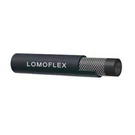
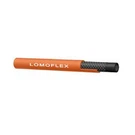
First off, what exactly is a textile braid hose? Well, it's a type of hose that's reinforced with textile braids. These braids give the hose added strength and durability, allowing it to withstand different pressures and conditions. Textile braid hoses are commonly used in hydraulic systems, automotive applications, and various industrial settings.
Now, when it comes to determining the maximum flow rate of a textile braid hose, there are several factors at play. One of the most important factors is the diameter of the hose. Generally speaking, the larger the diameter of the hose, the higher the flow rate it can handle. This is because a larger diameter provides more space for the fluid to flow through, reducing the resistance and allowing for a greater volume of fluid to pass in a given amount of time.
For example, a textile braid hose with a 1/4 - inch diameter will have a lower maximum flow rate compared to a hose with a 1 - inch diameter. The smaller hose restricts the flow of fluid, while the larger one allows for a more free - flowing stream.
Another factor that affects the maximum flow rate is the pressure rating of the hose. Hoses are designed to operate within a certain pressure range. If the pressure exceeds this range, it can cause damage to the hose, such as bursting or leaking. Higher pressure ratings usually mean that the hose can handle a higher flow rate because it can withstand the force exerted by the fluid moving through it.
The type of fluid being transferred also matters. Different fluids have different viscosities. Viscosity is a measure of a fluid's resistance to flow. For instance, water has a relatively low viscosity, so it flows easily through a hose. On the other hand, oils or thick liquids have higher viscosities, which means they require more force to move through the hose. As a result, the maximum flow rate for a high - viscosity fluid will be lower than that for a low - viscosity fluid, even if the hose and pressure conditions are the same.
The length of the hose is yet another consideration. Longer hoses create more resistance to the flow of fluid. As the fluid travels through a longer distance, it loses energy due to friction with the inner walls of the hose. This means that a shorter hose will generally have a higher maximum flow rate than a longer one of the same diameter and pressure rating.
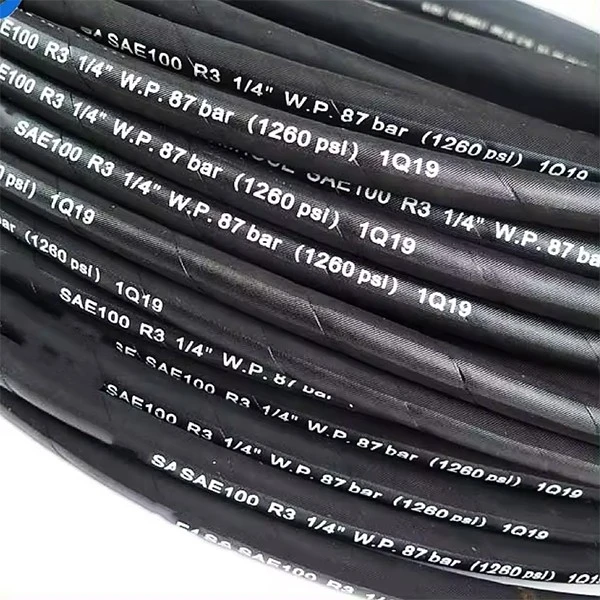
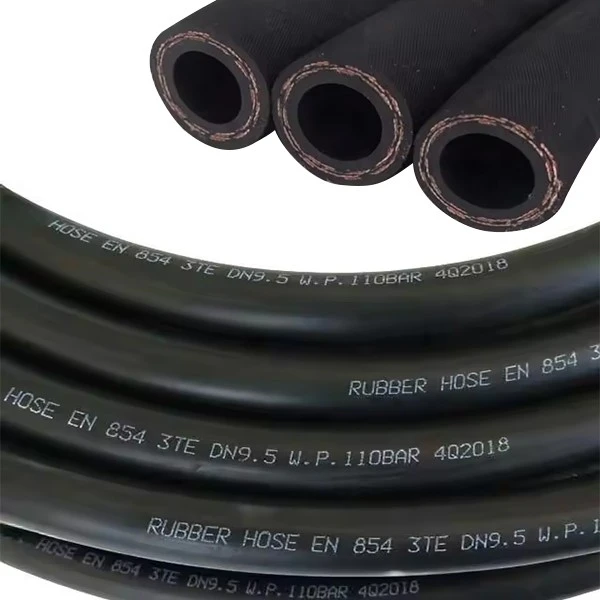
Let's talk about some specific standards and types of textile braid hoses. We offer hoses that meet different international standards, such as Din En854 3te Or Sae 100 R3 and Din En854 1te Or Sae 100 R6. These standards define the specifications and performance requirements for the hoses, including their maximum pressure ratings and flow capabilities.
The Din En854 3te Or Sae 100 R3 hoses are typically used in medium - pressure hydraulic applications. They are designed to handle a reasonable flow rate while maintaining their integrity under pressure. These hoses are made with high - quality materials and construction techniques to ensure reliable performance.
On the other hand, the Din En854 1te Or Sae 100 R6 hoses are often used in low - pressure applications. They are more flexible and lightweight, which makes them suitable for situations where space is limited or where a more maneuverable hose is needed. However, their maximum flow rate is generally lower compared to the 3te/R3 hoses due to their lower pressure ratings and potentially smaller diameters.
To give you a rough idea of the maximum flow rates, for a 1/2 - inch diameter Din En854 3te Or Sae 100 R3 textile braid hose operating at a pressure of 1000 psi with water as the fluid, the maximum flow rate could be around 20 - 30 gallons per minute. But if we change the diameter to 3/4 - inch under the same pressure and fluid conditions, the flow rate could increase to 40 - 60 gallons per minute.
It's important to note that these are just estimates. The actual maximum flow rate can vary depending on the specific conditions of your application, such as the temperature of the fluid, the type of fittings used, and the overall layout of the fluid system.
If you're in the market for textile braid hoses and need to know the exact maximum flow rate for your particular needs, it's best to consult with us. We have a team of experts who can analyze your requirements, take into account all the relevant factors, and recommend the right hose for you.
Whether you're working on a small automotive project or a large - scale industrial operation, having the right textile braid hose with the appropriate maximum flow rate is essential for the efficient and safe transfer of fluids.
So, if you're interested in purchasing our textile braid hoses or have any questions about their maximum flow rates, don't hesitate to reach out. We're here to help you make the best choice for your fluid transfer needs.
References:
- Hydraulic Hose Handbook
- Textile Reinforced Hose Industry Standards Publications