

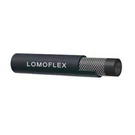
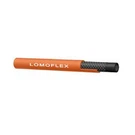


When it comes to hydraulic systems, wire braid hoses are a critical component. They are designed to handle high - pressure fluid transfer and are used in a wide range of applications, from construction equipment to industrial machinery. One important characteristic that often comes under scrutiny is the radiation resistance of wire braid hoses. In this blog, as a wire braid hose supplier, I'll delve into what radiation resistance means for wire braid hoses, its significance, and how it impacts the performance and longevity of these hoses.
Understanding Radiation Resistance
Radiation resistance refers to a material's ability to withstand the harmful effects of radiation. Radiation can come in various forms, such as electromagnetic radiation (e.g., ultraviolet rays, X - rays) and particle radiation (e.g., alpha, beta, and gamma particles). When a wire braid hose is exposed to radiation, it can cause physical and chemical changes in the hose materials, which may lead to degradation over time.
The outer cover of a wire braid hose is typically the first line of defense against radiation. It is usually made of rubber or a synthetic polymer. Different types of rubber compounds have varying degrees of radiation resistance. For example, EPDM (Ethylene Propylene Diene Monomer) rubber is known for its relatively good resistance to ultraviolet (UV) radiation. UV radiation is a common form of electromagnetic radiation that can cause the outer cover of a hose to crack, harden, or lose its flexibility over time. If the outer cover is damaged by UV radiation, it can expose the inner wire braid and the tube of the hose, making them more vulnerable to other forms of damage, such as abrasion and corrosion.

Factors Affecting Radiation Resistance
Material Composition
As mentioned earlier, the material of the outer cover plays a crucial role in radiation resistance. Some advanced synthetic polymers are specifically formulated to have enhanced radiation - resistant properties. These materials can better withstand the energy from radiation without undergoing significant chemical changes. For instance, certain fluoropolymers are highly resistant to a wide range of radiation types. They have strong carbon - fluorine bonds, which are more stable and less likely to break under the influence of radiation compared to other types of chemical bonds.
Thickness of the Outer Cover
The thickness of the outer cover also affects radiation resistance. A thicker outer cover provides more material to absorb and dissipate the energy from radiation. However, increasing the thickness too much may also make the hose less flexible and more difficult to install. Therefore, a balance needs to be struck between radiation resistance and other important properties such as flexibility and weight.
Environmental Conditions
The environment in which the wire braid hose is used can significantly impact its radiation resistance. For example, hoses used in outdoor applications are more likely to be exposed to UV radiation from the sun. In addition, hoses in industrial settings near nuclear facilities or X - ray machines may be exposed to more intense and diverse forms of radiation. The temperature and humidity in the environment can also interact with radiation to accelerate the degradation process. High temperatures can increase the rate of chemical reactions caused by radiation, while high humidity can promote corrosion in the wire braid if the outer cover is damaged.
Significance of Radiation Resistance for Wire Braid Hoses
Safety
In applications where wire braid hoses are used to transfer hazardous fluids, such as in chemical processing plants or nuclear power plants, radiation resistance is crucial for safety. If a hose is damaged by radiation, it may develop leaks, which can lead to the release of dangerous substances. This not only poses a risk to the workers in the area but also to the environment.
Performance and Longevity
Radiation - resistant hoses can maintain their performance over a longer period. A hose that is not affected by radiation will have consistent flexibility, pressure - bearing capacity, and fluid - sealing properties. This means fewer replacements and less downtime for maintenance. For example, in a construction equipment hydraulic system, a radiation - resistant wire braid hose will be less likely to fail during long - term outdoor use, ensuring the continuous operation of the equipment.
Our Wire Braid Hose Offerings and Radiation Resistance
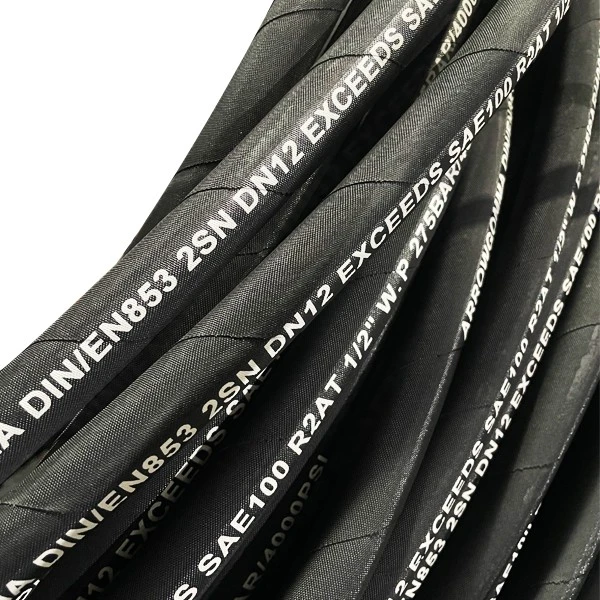
As a wire braid hose supplier, we offer a variety of hoses with different levels of radiation resistance to meet the diverse needs of our customers. Our Sae100 R2at hoses are designed with a high - quality outer cover material that provides good resistance to UV radiation. This makes them suitable for outdoor applications where the hoses are exposed to sunlight for extended periods.
Our SAE100R1AT hoses are another option. They are engineered to have a balance between radiation resistance and flexibility. The outer cover material is carefully selected to withstand a certain level of radiation while still allowing the hose to be easily bent and installed in various hydraulic systems.
For more demanding applications where hoses may be exposed to more intense radiation, our Din En853 2sn hoses are a great choice. These hoses are made with advanced synthetic polymers that offer enhanced radiation - resistant properties. They are suitable for use in industrial environments near radiation - emitting sources.
Testing and Certification
To ensure the radiation resistance of our wire braid hoses, we conduct rigorous testing. Our hoses are tested in specialized laboratories using simulated radiation environments. We measure the changes in the physical and chemical properties of the hoses before and after radiation exposure, such as hardness, tensile strength, and elongation. Only hoses that meet our strict quality standards are certified for sale.
Conclusion
Radiation resistance is an important characteristic of wire braid hoses, especially in applications where the hoses are exposed to various forms of radiation. As a wire braid hose supplier, we understand the significance of providing hoses with reliable radiation - resistant properties. Our range of hoses, including Sae100 R2at, SAE100R1AT, and Din En853 2sn, are designed to meet different radiation - exposure scenarios.
If you are in need of wire braid hoses with specific radiation - resistant requirements for your hydraulic systems, we invite you to contact us for a detailed discussion. Our team of experts can help you select the most suitable hoses for your applications and provide you with professional advice on installation and maintenance.
References
- "Handbook of Rubber Technology" by Morton M.
- "Hydraulic Systems and Fluid Power" by John F. Watton.
- Industry standards and guidelines related to wire braid hoses and radiation resistance.