

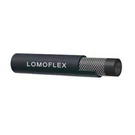
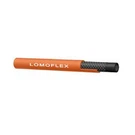


Hey there! As a supplier of SAE100R1AT hydraulic hoses, I often get asked about the wall thickness of these hoses. It's a crucial factor that affects the hose's performance, durability, and safety. So, let's dive right in and break down what the wall thickness of SAE100R1AT is all about.
Understanding SAE100R1AT
First off, SAE100R1AT is a type of hydraulic hose that's commonly used in various industrial applications. It's designed to handle hydraulic fluid under pressure, making it essential for machinery, construction equipment, and more. This hose is known for its flexibility, high-pressure resistance, and compatibility with a wide range of hydraulic fluids.
What Determines the Wall Thickness?
The wall thickness of SAE100R1AT hoses isn't a random number. It's determined by several factors, including the hose's inner diameter (ID), the pressure it needs to withstand, and the materials used in its construction.
- Inner Diameter: Generally, hoses with larger inner diameters require thicker walls to maintain their structural integrity. This is because a larger ID means more fluid is flowing through the hose, which can create more pressure on the walls.
- Working Pressure: The higher the working pressure of the hydraulic system, the thicker the hose wall needs to be. Thicker walls can better resist the force exerted by the pressurized fluid, preventing leaks and bursts.
- Materials: The materials used in the hose construction also play a role. SAE100R1AT hoses typically have an inner tube made of synthetic rubber, a reinforcement layer of braided steel wire, and an outer cover of synthetic rubber. The quality and thickness of these materials can affect the overall wall thickness of the hose.
Standard Wall Thickness for SAE100R1AT
The SAE (Society of Automotive Engineers) has set standards for the wall thickness of SAE100R1AT hoses. These standards ensure that the hoses meet certain performance and safety requirements.
Typically, for SAE100R1AT hoses, the wall thickness can range from around 2.5 mm to 4.5 mm, depending on the inner diameter. For example, a hose with a 6 mm ID might have a wall thickness of around 2.5 mm, while a hose with a 19 mm ID could have a wall thickness of up to 4.5 mm.
It's important to note that these are just general guidelines. The actual wall thickness can vary slightly between different manufacturers, depending on their manufacturing processes and quality control standards.
Why Wall Thickness Matters
The wall thickness of SAE100R1AT hoses has a significant impact on their performance and durability.
- Pressure Resistance: As mentioned earlier, thicker walls can withstand higher pressures. This means that the hose is less likely to burst or leak under high-pressure conditions, ensuring the safety and reliability of the hydraulic system.
- Abrasion Resistance: A thicker outer cover provides better protection against abrasion. In industrial environments, hoses are often exposed to rough surfaces, sharp edges, and other sources of abrasion. A thicker wall can help prevent damage to the hose, extending its lifespan.
- Flexibility: While thicker walls can provide better strength and durability, they can also affect the hose's flexibility. Manufacturers need to strike a balance between wall thickness and flexibility to ensure that the hose can be easily installed and maneuvered in different applications.
Comparing with Other Hose Types
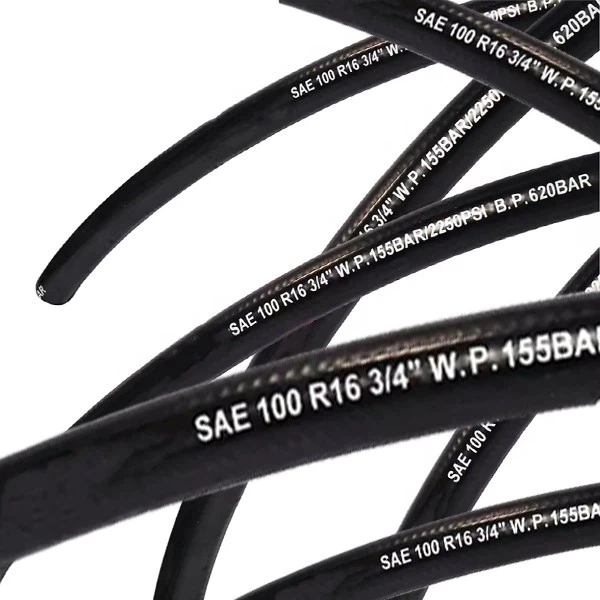
It's interesting to compare the wall thickness of SAE100R1AT with other similar hose types. For example, the Hydraulic Rubber Hose Sae100 R16 is designed for higher-pressure applications and typically has a thicker wall to handle the increased stress. On the other hand, the Din En853 1sn and Din En857 1sc hoses have their own specific wall thickness requirements based on their intended use and performance standards.
How to Choose the Right Wall Thickness
When choosing an SAE100R1AT hose for your application, it's important to consider the specific requirements of your hydraulic system. Here are some tips to help you make the right decision:

- Understand Your System's Pressure Requirements: Determine the maximum working pressure of your hydraulic system. This will help you choose a hose with a wall thickness that can safely handle the pressure.
- Consider the Inner Diameter: Make sure to select a hose with the appropriate inner diameter for your application. A larger ID may require a thicker wall, but it also allows for more fluid flow.
- Evaluate the Operating Environment: If your hose will be exposed to harsh conditions, such as high temperatures, abrasion, or chemicals, you may need a hose with a thicker wall or a more durable outer cover.
Conclusion
In conclusion, the wall thickness of SAE100R1AT hoses is an important factor that affects their performance, durability, and safety. It's determined by several factors, including the inner diameter, working pressure, and materials used in construction. By understanding these factors and choosing the right wall thickness for your application, you can ensure that your hydraulic system operates smoothly and efficiently.
If you're in the market for SAE100R1AT hoses or have any questions about their wall thickness or other specifications, feel free to reach out to me. I'm here to help you find the best solution for your needs. Let's start a conversation and see how we can work together to meet your hydraulic hose requirements.
References
- Society of Automotive Engineers (SAE) standards for SAE100R1AT hoses.
- Industry literature on hydraulic hose design and performance.