

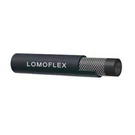
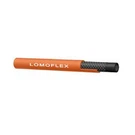


Hey there! As a supplier of special hydraulic hoses, I often get asked about the weight of these hoses. It might seem like a simple question, but the answer can be a bit more complex than you'd think. In this blog, I'm gonna break down what factors affect the weight of a special hydraulic hose and why it matters.
First off, let's understand why the weight of a hydraulic hose is important. For one, it can impact the installation process. If a hose is too heavy, it might be difficult to handle and position correctly. This can lead to longer installation times and potentially more labor costs. Also, in applications where weight is a critical factor, like in aerospace or automotive industries, the weight of the hydraulic hose can affect the overall performance and efficiency of the system.
So, what exactly determines the weight of a special hydraulic hose? Well, there are a few key factors. The material of the hose is a major one. Hydraulic hoses can be made from a variety of materials, including rubber, thermoplastic, and metal. Each material has its own density, which directly affects the weight.
Let's start with rubber hoses. Rubber is a common material for hydraulic hoses because it's flexible and can withstand high pressures. But it's also relatively heavy compared to some other materials. The weight of a rubber hydraulic hose depends on the type of rubber used and its thickness. Generally, hoses made from synthetic rubber, like nitrile or EPDM, are heavier than those made from natural rubber. And the thicker the rubber wall, the heavier the hose will be.
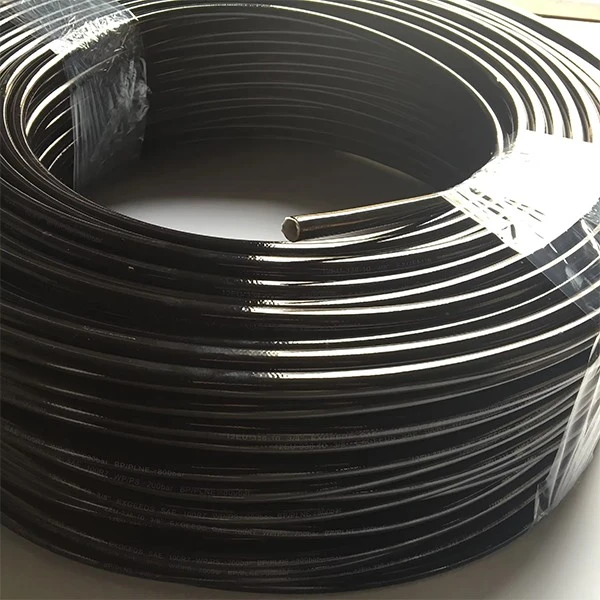
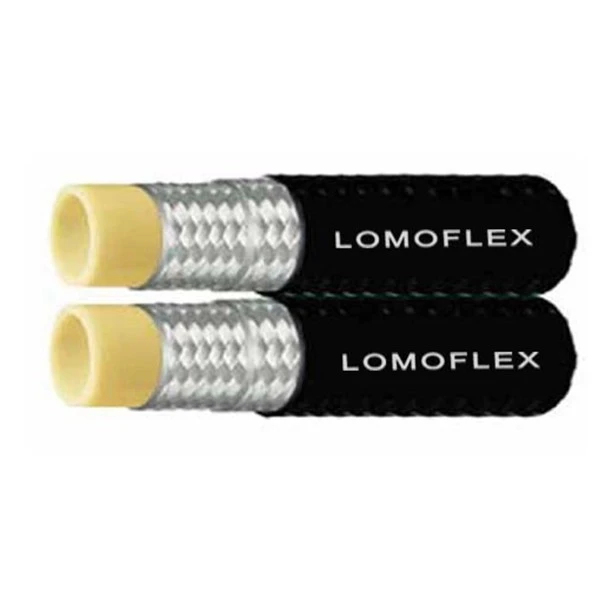
On the other hand, thermoplastic hoses are much lighter. Thermoplastics are polymers that can be melted and reshaped multiple times. They're known for their high strength-to-weight ratio, which means they can be just as strong as rubber hoses but much lighter. Two popular types of thermoplastic hoses are the Sae100 R8 Thermoplastic Hose and the Sae100 R7 Thermoplastic Hose. These hoses are often used in applications where weight reduction is a priority, like in mobile equipment or industrial machinery.
The size of the hose also plays a big role in its weight. Obviously, a larger diameter hose will be heavier than a smaller one. This is because there's more material used to make the hose. The length of the hose is another factor. The longer the hose, the more material it contains, and the heavier it will be.
Another factor that affects the weight of a hydraulic hose is the reinforcement layer. Most hydraulic hoses have a reinforcement layer made of materials like steel wire or textile braid. This layer provides strength and helps the hose withstand high pressures. The type and amount of reinforcement used can significantly impact the weight. For example, hoses with multiple layers of steel wire reinforcement will be heavier than those with a single layer of textile braid.
Now, let's talk about how to calculate the weight of a special hydraulic hose. Unfortunately, there's no one-size-fits-all formula because the weight depends on so many factors. But in general, you can estimate the weight by considering the material, size, and reinforcement of the hose.
If you're working with a rubber hose, you can start by looking at the weight per unit length provided by the manufacturer. This is usually given in pounds per foot or kilograms per meter. Then, you can multiply this value by the length of the hose you need. For thermoplastic hoses, the process is similar, but the weight per unit length will be lower because of the lighter material.
When it comes to choosing the right hydraulic hose for your application, weight is just one of the factors to consider. You also need to think about the pressure rating, temperature range, chemical compatibility, and flexibility. But if weight is a critical factor, then a thermoplastic hose might be the way to go.
As a supplier of special hydraulic hoses, I've seen firsthand how the weight of a hose can impact a project. That's why I always work closely with my customers to understand their specific needs and recommend the best hose for their application. Whether you're looking for a lightweight thermoplastic hose or a heavy-duty rubber hose, I can help you find the right one.
If you're in the market for special hydraulic hoses and want to learn more about the weight and other properties, don't hesitate to reach out. We can have a detailed discussion about your requirements and find the perfect solution for you. Whether it's for a small DIY project or a large industrial application, I'm here to assist you.
In conclusion, the weight of a special hydraulic hose is determined by several factors, including the material, size, and reinforcement. Understanding these factors can help you choose the right hose for your needs and ensure the success of your project. So, if you're looking for high-quality special hydraulic hoses, give me a shout, and let's get started on finding the perfect fit for you.
References
- Hydraulic Hose Handbook: A comprehensive guide to hydraulic hoses, including materials, construction, and performance.
- Industry standards and specifications for hydraulic hoses, such as SAE and ISO standards.