

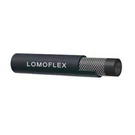
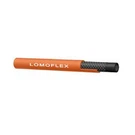


Food-grade industrial hoses play a crucial role in various industries where the transportation of food and beverages is involved. These hoses are designed to meet specific requirements to ensure the safety and quality of the products being transferred. As an industrial hose supplier, I understand the importance of these special requirements and the impact they have on the performance of the hoses. In this blog, I will discuss the special requirements that food-grade industrial hoses must meet.

Material Compatibility
One of the most critical requirements for food-grade industrial hoses is material compatibility. The materials used in the construction of these hoses must be non-toxic, odorless, and tasteless to prevent any contamination of the food or beverage products. They should also be resistant to a wide range of chemicals and substances commonly found in the food industry, such as acids, alkalis, oils, and fats.
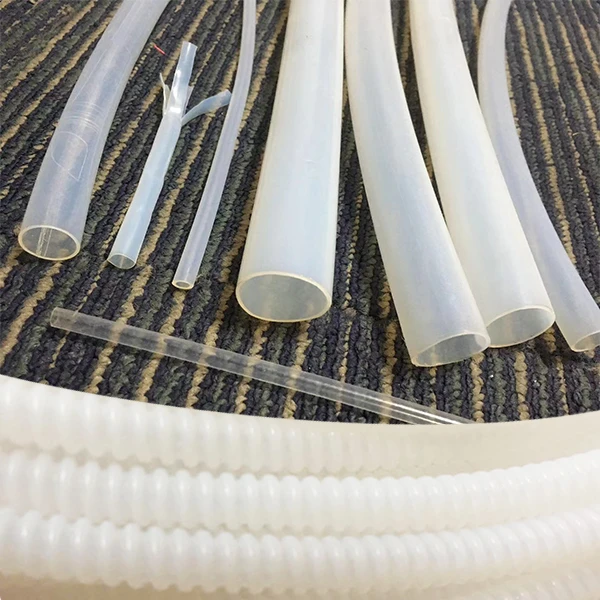
Common materials used for food-grade hoses include silicone, EPDM (ethylene propylene diene monomer), and PTFE (polytetrafluoroethylene). Silicone hoses are known for their excellent flexibility, high-temperature resistance, and low toxicity. They are often used in applications where the hose needs to be bent or twisted frequently, such as in food processing equipment. EPDM hoses are resistant to ozone, weathering, and a variety of chemicals, making them suitable for outdoor and industrial applications. PTFE hoses, on the other hand, offer superior chemical resistance and low friction, which is ideal for the transfer of viscous or abrasive food products.
Hygiene and Cleanability
Maintaining high levels of hygiene is essential in the food industry to prevent the growth of bacteria and other microorganisms. Food-grade industrial hoses must be easy to clean and sanitize to ensure the safety of the products being transported. They should have a smooth inner surface to prevent the accumulation of food particles and debris, which can harbor bacteria.
Hoses with a smooth bore design are preferred as they are easier to clean and less likely to trap contaminants. Additionally, some hoses are designed with special features such as removable liners or self-draining capabilities to facilitate the cleaning process. Regular cleaning and sanitization of the hoses are necessary to prevent the growth of biofilms, which can contaminate the food products.
Regulatory Compliance
Food-grade industrial hoses must comply with various national and international regulations to ensure their safety and suitability for use in the food industry. In the United States, the Food and Drug Administration (FDA) sets strict guidelines for the materials and components used in food contact applications. Hoses that are intended for use with food products must meet the FDA's requirements for food contact substances, which include restrictions on the types of chemicals and additives that can be used.
In Europe, the European Union's Regulation (EC) No 1935/2004 governs the safety of materials and articles intended to come into contact with food. This regulation sets out general safety requirements and specific restrictions on certain substances, such as heavy metals and plasticizers. Hoses that are sold in the European market must comply with these regulations to ensure their legal and safe use.
Temperature and Pressure Resistance
Food-grade industrial hoses must be able to withstand the temperature and pressure conditions of the application. In the food industry, hoses are often used to transfer hot or cold liquids, so they need to have good temperature resistance. High-temperature applications may require hoses that can withstand temperatures up to 200°C or more, while low-temperature applications may need hoses that can operate in sub-zero conditions.
Pressure resistance is also an important consideration, especially in applications where the hose is used to transfer fluids under high pressure. Hoses must be able to handle the pressure without bursting or leaking, which could lead to product contamination or safety hazards. The pressure rating of the hose should be carefully selected based on the specific requirements of the application.
Flexibility and Durability
Flexibility is another important requirement for food-grade industrial hoses. Hoses that are flexible are easier to install and maneuver, especially in tight spaces. They can also withstand repeated bending and twisting without cracking or breaking, which is important for applications where the hose needs to be moved or adjusted frequently.
Durability is also crucial, as food-grade hoses are often subjected to harsh conditions, such as abrasion, impact, and exposure to chemicals. Hoses should be made of high-quality materials that are resistant to wear and tear, and they should have a long service life to minimize the need for frequent replacement.
Our Product Offerings
As an industrial hose supplier, we offer a wide range of food-grade industrial hoses that meet the special requirements of the food industry. Our Sae100 R8 Thermoplastic Hose is a high-quality hose that is suitable for a variety of food and beverage applications. It is made of thermoplastic materials that offer excellent chemical resistance, flexibility, and durability.
Our Teflon Push Hose is another popular choice for food-grade applications. It is made of PTFE, which provides superior chemical resistance and low friction, making it ideal for the transfer of viscous or abrasive food products. The hose is easy to install and clean, and it has a long service life.
In addition to our hoses, we also offer a range of 26791 JIC Female 90° Cone Seat Hose Fitting that are designed to provide a secure and leak-free connection for our hoses. Our fittings are made of high-quality materials and are available in a variety of sizes and configurations to meet the specific needs of our customers.
Conclusion
Food-grade industrial hoses have special requirements that are essential for ensuring the safety and quality of the food products being transported. These requirements include material compatibility, hygiene and cleanability, regulatory compliance, temperature and pressure resistance, flexibility, and durability. As an industrial hose supplier, we understand the importance of these requirements and offer a wide range of food-grade hoses that meet the highest standards of quality and safety.
If you are in need of food-grade industrial hoses for your application, we encourage you to contact us for more information. Our team of experts can help you select the right hose for your specific needs and provide you with professional advice and support. We are committed to providing our customers with the best products and services, and we look forward to working with you.
References
- Food and Drug Administration (FDA). (n.d.). Food Contact Substances. Retrieved from [FDA website]
- European Union. (2004). Regulation (EC) No 1935/2004 of the European Parliament and of the Council of 27 October 2004 on materials and articles intended to come into contact with food. Official Journal of the European Union, L338, 4–17.