



In the realm of hydraulic systems, the choice between single - wire braid hoses and double - wire braid hoses is a critical decision that can significantly impact the performance, safety, and longevity of the equipment. As a seasoned wire braid hose supplier, I've witnessed firsthand the diverse needs of our customers and the importance of making an informed choice. In this blog, we'll delve into the characteristics, advantages, and disadvantages of both types of hoses to help you determine which is better for your specific application.
Understanding Single - Wire Braid Hoses
Single - wire braid hoses are constructed with a single layer of braided wire reinforcement. This design provides a certain level of strength and flexibility, making them suitable for a variety of low - to medium - pressure hydraulic applications. The single layer of braided wire is typically made of high - strength steel, which is woven around the inner tube of the hose. This reinforcement helps to contain the fluid within the hose and withstand the pressure exerted by the hydraulic system.
One of the primary advantages of single - wire braid hoses is their flexibility. The single layer of braided wire allows the hose to bend more easily, making it ideal for applications where tight routing is required. This flexibility also reduces the stress on the hose connections, which can help to prevent leaks and premature failure. Additionally, single - wire braid hoses are generally lighter in weight compared to double - wire braid hoses, which can be beneficial in applications where weight is a concern.
Another advantage of single - wire braid hoses is their cost - effectiveness. Since they require less material and less complex manufacturing processes, single - wire braid hoses are typically less expensive than double - wire braid hoses. This makes them a popular choice for applications where budget is a major consideration.
However, single - wire braid hoses also have some limitations. They are generally not suitable for high - pressure applications, as the single layer of braided wire may not be able to withstand the high pressures without failing. The maximum working pressure of single - wire braid hoses is typically lower than that of double - wire braid hoses. Additionally, single - wire braid hoses may have a shorter service life compared to double - wire braid hoses, especially in applications where they are subjected to frequent bending or high - stress conditions.
Exploring Double - Wire Braid Hoses
Double - wire braid hoses, as the name suggests, are constructed with two layers of braided wire reinforcement. This additional layer of reinforcement provides increased strength and durability, making them suitable for high - pressure hydraulic applications. The two layers of braided wire are woven around the inner tube of the hose, providing a more robust structure that can withstand higher pressures and more severe operating conditions.
One of the main advantages of double - wire braid hoses is their high pressure - handling capacity. The two layers of braided wire provide additional support to the hose, allowing it to withstand much higher pressures than single - wire braid hoses. This makes them ideal for applications such as heavy - duty construction equipment, industrial machinery, and hydraulic presses, where high pressures are common.
Double - wire braid hoses also offer better resistance to abrasion and wear. The additional layer of braided wire provides an extra level of protection to the inner tube of the hose, reducing the risk of damage from external factors such as rubbing against other components or being exposed to harsh environments. This results in a longer service life for the hose, which can ultimately save on replacement costs and downtime.
However, double - wire braid hoses also have some drawbacks. They are generally less flexible than single - wire braid hoses due to the additional layer of braided wire. This can make them more difficult to route in applications where tight bends are required. Additionally, double - wire braid hoses are heavier and more expensive than single - wire braid hoses. The increased material and manufacturing complexity contribute to the higher cost, which may not be feasible for some budget - conscious applications.
Application - Specific Considerations
When deciding between single - wire braid hoses and double - wire braid hoses, it's essential to consider the specific requirements of your application. Here are some factors to keep in mind:
Pressure Requirements
If your hydraulic system operates at low to medium pressures (typically up to around 2,000 - 3,000 psi), a single - wire braid hose may be sufficient. For example, in some light - duty industrial applications or small - scale hydraulic tools, single - wire braid hoses can provide reliable performance at a lower cost. On the other hand, if your system operates at high pressures (above 3,000 psi), a double - wire braid hose is usually the better choice. Applications such as large construction equipment, mining machinery, and high - pressure hydraulic presses require the increased strength and durability of double - wire braid hoses.
Flexibility Needs
If your application requires the hose to be routed through tight spaces or around obstacles, flexibility is a crucial factor. Single - wire braid hoses are more flexible and can be bent more easily, making them a better option in such cases. For example, in automotive hydraulic systems or some portable hydraulic equipment, the ability to route the hose in a confined space is essential, and single - wire braid hoses can meet this requirement.
Abrasion and Wear Resistance
If the hose will be exposed to harsh environments, such as rough terrain, abrasive materials, or chemicals, double - wire braid hoses are a better choice. The additional layer of braided wire provides better protection against abrasion and wear, ensuring a longer service life. In mining operations or construction sites where the hoses are likely to come into contact with rocks, dirt, and other abrasive substances, double - wire braid hoses are more suitable.
Cost Considerations
Cost is always a significant factor in any purchasing decision. If you have a limited budget and your application can tolerate the lower pressure and shorter service life of single - wire braid hoses, they may be the more practical choice. However, if the long - term reliability and performance of your hydraulic system are crucial, and the higher cost of double - wire braid hoses can be justified, then investing in them is advisable.
Product Examples
As a wire braid hose supplier, we offer a wide range of products to meet different needs. For single - wire braid hoses, our Din En857 1sc is a popular choice. It is designed for low - to medium - pressure hydraulic applications and offers excellent flexibility and cost - effectiveness. Our Sae100 R5 is another single - wire braid hose that is suitable for applications where a combination of flexibility and moderate pressure resistance is required.

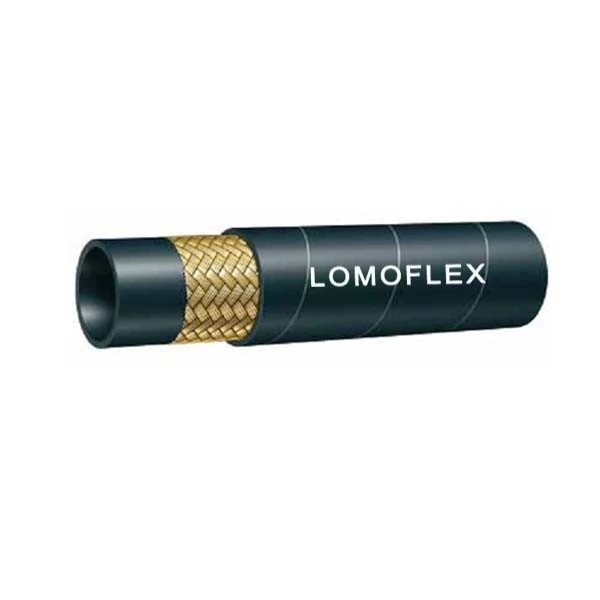
For high - pressure applications, our Hydraulic Rubber Hose Sae100 R16 is a double - wire braid hose that provides superior strength and durability. It can withstand high pressures and is resistant to abrasion and wear, making it ideal for heavy - duty industrial and construction applications.
Conclusion
In conclusion, the choice between single - wire braid hoses and double - wire braid hoses depends on a variety of factors, including pressure requirements, flexibility needs, abrasion and wear resistance, and cost considerations. Single - wire braid hoses are more flexible and cost - effective, making them suitable for low - to medium - pressure applications with tight routing requirements. Double - wire braid hoses, on the other hand, offer higher pressure - handling capacity, better abrasion resistance, and longer service life, but they are less flexible and more expensive.
As a wire braid hose supplier, we are committed to providing our customers with the best - suited products for their specific applications. We have a team of experts who can help you evaluate your needs and select the most appropriate hose. If you're in the process of choosing a wire braid hose for your hydraulic system, we encourage you to contact us for a detailed consultation. We can provide you with more information about our products, answer your questions, and assist you in making an informed decision. Let's work together to ensure the optimal performance and reliability of your hydraulic system.
References
- "Hydraulic Hose Handbook" by Eaton Corporation
- "Fluid Power Technology" by David Crolla