



Hey there! As a supplier of suction and discharge hoses, I often get asked if these hoses are suitable for high - flow applications. Well, let's dive right into it and find out.
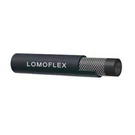
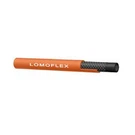
First off, what exactly are suction and discharge hoses? Suction hoses are designed to draw fluid from a source, while discharge hoses are used to expel that fluid to a destination. They come in various types, like the Suction and Discharge Oil Hose and the Suction and Discharge Water Hose. Each type is tailored to handle different substances, but the question remains: can they handle high - flow situations?
One of the key factors to consider is the hose's diameter. A larger diameter hose generally allows for a higher flow rate. Think of it like a highway. A wider highway can accommodate more cars at the same time, right? Similarly, a wider hose can let more fluid pass through per unit of time. For example, if you're dealing with a high - flow water application, a Suction and Discharge Water Hose with a larger diameter will be better equipped to handle the volume.
The material of the hose also plays a crucial role. Hoses made from high - quality materials are more likely to withstand the pressures associated with high - flow applications. For instance, some hoses are reinforced with multiple layers of strong materials like synthetic yarn or steel wire. These reinforcements give the hose the strength it needs to prevent bursting or collapsing under high pressure. When it comes to oil applications, the Suction and Discharge Oil Hose needs to be made from materials that are resistant to oil degradation. This ensures that the hose doesn't break down over time, which could lead to leaks and a decrease in flow efficiency.
Another aspect to think about is the flexibility of the hose. In high - flow applications, there might be a need to move the hose around or adjust its position. A flexible hose makes this process much easier. It can be bent and maneuvered without kinking, which would otherwise restrict the flow of fluid. However, you need to find a balance between flexibility and durability. A hose that's too flexible might not be strong enough to handle the high pressures, while a very rigid hose could be difficult to work with.
Now, let's talk about the fittings. The fittings at the ends of the hose are just as important as the hose itself. They need to be properly sized and securely attached to ensure a tight seal. A loose or ill - fitting connection can cause leaks, which not only waste fluid but also reduce the overall flow rate. For high - flow applications, it's crucial to use high - quality fittings that are designed to handle the pressure.
The length of the hose can also impact its suitability for high - flow applications. Generally, a shorter hose will have less resistance to flow compared to a longer one. As the fluid travels through a long hose, it encounters more friction, which can slow down the flow. So, if you have a high - flow requirement, try to keep the hose length as short as possible without sacrificing the functionality of your system.
In some high - flow applications, the fluid might be at a high temperature. This means the hose needs to be able to withstand the heat. Some hoses are specifically designed to handle high - temperature fluids. They're made from heat - resistant materials that won't melt or degrade when exposed to the hot fluid. For example, in industrial processes where hot oil is being transferred, a Suction and Discharge Oil Hose that can handle high temperatures is essential.
The viscosity of the fluid is another factor. High - viscosity fluids, like thick oils, are more difficult to move through a hose compared to low - viscosity fluids like water. For high - viscosity fluids, you might need a hose with a larger diameter and stronger reinforcements to ensure a smooth flow.


So, are suction and discharge hoses suitable for high - flow applications? The answer is yes, but with some conditions. You need to carefully consider the diameter, material, flexibility, fittings, length, temperature resistance, and the viscosity of the fluid. If you choose the right hose and take all these factors into account, you can have a reliable high - flow system.
If you're in the market for suction and discharge hoses for your high - flow applications, I'd love to help you find the perfect solution. Whether you need a Suction and Discharge Oil Hose or a Suction and Discharge Water Hose, we have a wide range of options to meet your needs. Just reach out, and we can start a discussion about your specific requirements.
References
- Industrial Hose Handbook: A comprehensive guide to understanding the properties and applications of different types of industrial hoses.
- Fluid Mechanics Textbooks: Provide in - depth knowledge about the flow of fluids through pipes and hoses, including factors affecting flow rate.