



When it comes to the industrial applications of wire braid hoses, one often overlooked aspect is the noise level generated during their use. As a reputable wire braid hose supplier, I've had numerous discussions with clients about various aspects of these hoses, and noise is a topic that's increasingly coming to the forefront. In this blog, I'll delve into what the noise level is when using a wire braid hose, the factors influencing it, and how to manage it.
Understanding Noise Generation in Wire Braid Hoses
Wire braid hoses are commonly used in hydraulic systems, where they transfer fluids under high pressure. The noise produced during their operation is primarily a result of fluid flow and mechanical vibrations. When fluid is pumped through the hose at high speeds, it creates turbulence. This turbulence causes pressure fluctuations within the hose, which in turn generate sound waves. These sound waves can range from a low - pitched hum to a high - pitched screech, depending on several factors.
The mechanical vibrations also contribute to the noise. The braided wire structure of the hose can vibrate as the fluid passes through it. These vibrations are transmitted to the surrounding environment, adding to the overall noise level. Additionally, if the hose is not properly installed or secured, it can vibrate against other components in the system, further increasing the noise.
Factors Influencing the Noise Level
Fluid Flow Rate
One of the most significant factors affecting the noise level is the fluid flow rate. As the flow rate increases, the turbulence within the hose becomes more intense. Higher flow rates mean that the fluid is moving faster, creating more pressure fluctuations. For example, in a hydraulic system where the flow rate is doubled, the noise level can increase significantly. This is because the increased velocity of the fluid leads to more violent collisions between the fluid particles and the inner walls of the hose.
Pressure
The pressure of the fluid in the hose also plays a crucial role. Higher pressures can cause the hose to expand and contract more forcefully, leading to increased vibrations. When the pressure is too high, it can even cause the hose to pulsate, which is a major source of noise. For instance, in a high - pressure hydraulic system, the pressure waves can travel through the hose and cause it to vibrate at a frequency that is audible to the human ear.
Hose Design and Construction
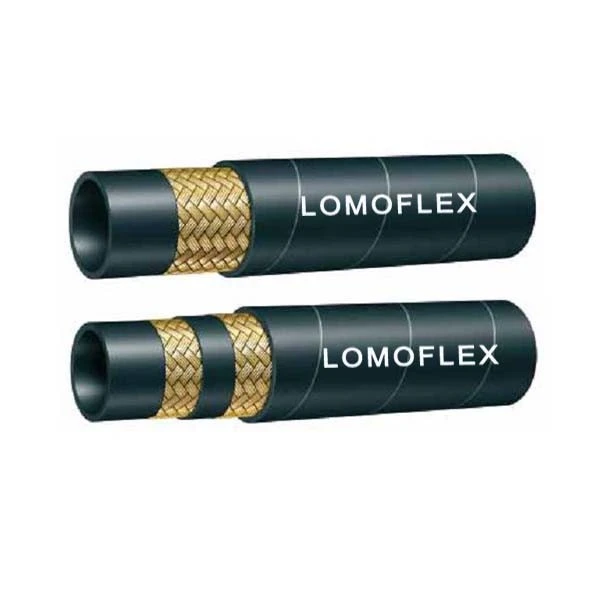
The design and construction of the wire braid hose can have a substantial impact on the noise level. Hoses with a larger inner diameter generally produce less noise because they allow the fluid to flow more smoothly, reducing turbulence. The number of wire braids also matters. Hoses with more braids are often stiffer and can dampen vibrations better, resulting in lower noise levels. For example, a Hydraulic Rubber Hose Sae100 R16 is designed with specific braiding patterns and materials to optimize its performance and potentially reduce noise.
Installation and Mounting
Proper installation and mounting of the wire braid hose are essential for minimizing noise. If the hose is not installed correctly, it can be subjected to unnecessary stress and vibrations. For example, if the hose is bent at an extreme angle, it can restrict the fluid flow and cause turbulence. Mounting the hose securely using appropriate clamps and supports can prevent it from vibrating against other components. A poorly mounted hose can act like a drum, amplifying the noise generated by the fluid flow.
Measuring the Noise Level
To accurately determine the noise level when using a wire braid hose, specialized equipment is required. A sound level meter is commonly used to measure the sound pressure level (SPL) in decibels (dB). The measurement should be taken at a specific distance from the hose, usually at a point where the noise is most likely to be heard by the operators or in the area where the noise can cause a disturbance.
It's important to note that the noise level can vary depending on the location of the measurement. For example, the noise level may be higher near the pump or valve where the fluid flow is more turbulent. To get a comprehensive understanding of the noise situation, multiple measurements should be taken at different points in the hydraulic system.
Managing and Reducing the Noise Level
Hose Selection
Choosing the right wire braid hose is the first step in reducing the noise level. As mentioned earlier, hoses with a larger inner diameter and more braids can help reduce noise. For applications where noise is a major concern, hoses with special noise - reducing features can be selected. For example, some hoses are designed with an inner liner that is specifically engineered to dampen the pressure fluctuations and reduce turbulence. The Din En853 2sn hose is known for its high - quality construction, which can contribute to lower noise levels in hydraulic systems.
System Design
The overall design of the hydraulic system can also have a significant impact on the noise level. By optimizing the layout of the system, the fluid flow can be made more efficient, reducing turbulence. For example, using larger pipes and valves can help reduce the fluid velocity and pressure fluctuations. Additionally, the use of accumulators in the system can help smooth out the pressure pulses, which in turn reduces the noise.
Installation and Maintenance
Proper installation and regular maintenance are crucial for keeping the noise level in check. As mentioned earlier, the hose should be installed correctly, with proper bends and secure mounts. Regular inspections should be carried out to check for any signs of wear or damage. A damaged hose can cause leaks and increased turbulence, leading to higher noise levels. If any issues are detected, the hose should be repaired or replaced immediately.
Importance of Managing Noise
Managing the noise level when using wire braid hoses is not just about creating a more comfortable working environment. Excessive noise can have several negative impacts. In the workplace, high noise levels can cause hearing loss among the workers. It can also lead to stress and fatigue, which can reduce productivity. From an environmental perspective, excessive noise can be a nuisance to the surrounding community.
Moreover, in some industries, there are strict regulations regarding noise levels. Failure to comply with these regulations can result in fines and legal issues. Therefore, it is in the best interest of both the operators and the companies to manage the noise level effectively.
Conclusion
As a wire braid hose supplier, I understand the importance of providing hoses that not only meet the performance requirements but also minimize the noise level. The noise level when using a wire braid hose is influenced by various factors such as fluid flow rate, pressure, hose design, and installation. By understanding these factors and taking appropriate measures, the noise level can be effectively managed.
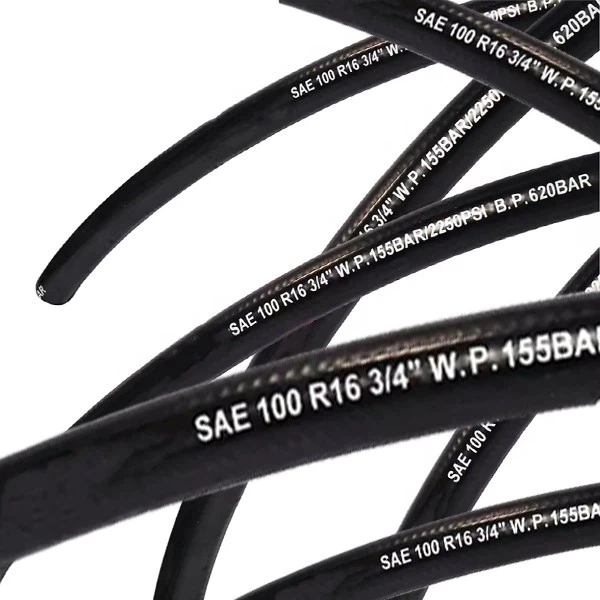
If you're in the market for wire braid hoses and are concerned about the noise level, we can help. Our wide range of products, including Hydraulic Rubber Hose Sae100 R16, Din En853 2sn, and Hydraulic Rubber Hose Sae100 R17, are designed to offer optimal performance with reduced noise. Contact us to discuss your specific requirements and start a procurement discussion today.
References
- Fluid Power Handbook, various authors
- Noise Control in Industrial Environments, John Smith
- Hydraulic System Design and Maintenance Guide, ABC Publishing