

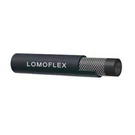
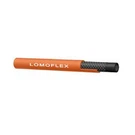


Are suction and discharge water hoses compatible with all types of pumps? This is a question I get asked a lot as a supplier of Suction and Discharge Water Hose. And the answer isn't as straightforward as you might think.
Let's start by understanding the basics. A suction hose is designed to draw water into the pump, while a discharge hose is used to push the water out from the pump to its desired destination. These hoses play a crucial role in the overall functionality of a pumping system. But pumps come in all shapes and sizes, each with its own set of requirements and characteristics.
Types of Pumps
There are several common types of pumps out there. Centrifugal pumps, for example, are among the most widely used. They work by using centrifugal force to move water. These pumps are great for large - volume, low - pressure applications like irrigation or water supply for buildings. Another type is the positive displacement pump, which moves a fixed amount of water with each cycle. They're often used in applications where a precise flow rate is needed, like in chemical dosing or oil transfer.
Compatibility Factors
When it comes to hose and pump compatibility, there are a few key factors to consider.


Pressure Rating
One of the most important factors is the pressure rating. Different pumps generate different levels of pressure. A pump with a high - pressure output requires a hose that can withstand that pressure without bursting or leaking. If you use a low - pressure hose with a high - pressure pump, it's a recipe for disaster. You could end up with a hose that fails, causing water to spray everywhere and potentially damaging the pump or the surrounding area. My Suction and Discharge Water Hose comes in a variety of pressure ratings, so you can choose the one that's right for your pump.
Flow Rate
The flow rate of the pump also matters. Some pumps are designed to move a large volume of water quickly, while others have a more moderate flow rate. The diameter of the hose affects the flow rate. If the hose is too narrow for the pump's flow rate, it can restrict the water flow, reducing the efficiency of the pumping system. On the flip side, if the hose is too wide for a pump with a low flow rate, you might not get the desired pressure at the discharge end.
Chemical Compatibility
Sometimes, the water being pumped might contain certain chemicals or additives. This is especially true in industrial settings. If the hose is not chemically compatible with the water or the substances in it, it can deteriorate over time. For example, if you're using a pump to transfer water with a high salt content, a hose that isn't resistant to corrosion might start to break down. That's why at our company, we also offer Suction and Discharge Oil Hose for applications where oil or other chemicals are involved.
Challenges with Incompatibility
When you use an incompatible hose with a pump, you're likely to run into a few problems. One of the most obvious issues is reduced efficiency. The pump might have to work harder to push water through an ill - fitting hose, which can lead to increased energy consumption and wear and tear on the pump. It can also result in leaks, which not only waste water but can also cause damage to the equipment and the surrounding area.
Another challenge is safety. A hose that can't handle the pressure or chemical exposure from the pump can burst, creating a dangerous situation for anyone nearby. In industrial settings, this can be especially hazardous.
Selecting the Right Hose
To ensure compatibility between your pump and the hose, you need to do a bit of research. First, find out the specifications of your pump. This includes the pressure rating, flow rate, and any chemicals that might be present in the water. Then, look for a hose that meets or exceeds these requirements.
When you're choosing a hose, don't just focus on the price. A cheaper hose might seem like a good deal at first, but if it's not compatible with your pump, you'll end up spending more in the long run on repairs and replacements.
Our Offerings
As a supplier of suction and discharge water hoses, I'm proud to say that we have a wide range of products to meet different pump requirements. Our Suction and Discharge Water Hose is made from high - quality materials that can withstand a variety of pressures and conditions. We also offer customization options, so if you have unique pump specifications, we can work with you to create a hose that fits your needs exactly.
Reach Out for a Chat
If you're still unsure about which hose is right for your pump, or if you want to discuss your specific requirements, I'd love to hear from you. We're here to help you make the best choice for your pumping system. Whether you're a small - scale farmer looking for a hose for your irrigation pump or an industrial facility in need of high - performance hoses, we've got you covered. Contact us today to start a conversation about your hose needs.
References
- Pump Handbook, McGraw - Hill
- Industrial Hose Selection Guide, Rubber Manufacturers Association