

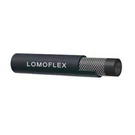
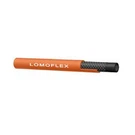


Alright, folks! As a supplier of rubber water hoses, I often get asked this question: Can a rubber water hose be used for water heating systems? Well, let's dive right into it and find out.
First off, let's talk a bit about rubber water hoses. A Rubber Water Hose is a pretty common item in many industrial and household settings. It's flexible, durable, and can handle a decent amount of water pressure. But when it comes to using it in a water heating system, there are several factors we need to consider.
Temperature Resistance
One of the most crucial aspects is the temperature resistance of the rubber water hose. In a water heating system, the water can get quite hot. Regular rubber water hoses are typically designed to handle water at normal room temperatures or slightly above. If the water temperature in your heating system exceeds the hose's temperature limit, it can cause the rubber to degrade.
For example, some standard rubber water hoses can only withstand temperatures up to around 60°C (140°F). In a water heating system, especially in a high - efficiency boiler or a solar water heating setup, the water can reach temperatures well above this. When the rubber is exposed to high temperatures for an extended period, it can become soft, lose its shape, and even start to leak.
However, there are specialized rubber water hoses that are made with heat - resistant rubber compounds. These hoses can handle much higher temperatures, sometimes up to 120°C (248°F) or even more. So, if you're thinking of using a rubber water hose in a water heating system, make sure you choose one with the right temperature rating.
Chemical Compatibility
Another thing to think about is the chemical compatibility of the hose with the water in the heating system. Water in a heating system may contain various chemicals, such as anti - corrosion agents, scale inhibitors, and sometimes even trace amounts of metals. These chemicals can react with the rubber in the hose.
If the rubber is not chemically compatible with the water treatment chemicals in the heating system, it can lead to problems like swelling, cracking, or the formation of a sticky residue inside the hose. This not only affects the performance of the hose but can also contaminate the water in the system.


Before using a rubber water hose in a water heating system, you should check with the hose manufacturer about its chemical compatibility. They can provide you with information on what chemicals the hose can safely interact with.
Pressure Rating
Water heating systems usually operate under a certain amount of pressure. The pressure rating of a rubber water hose is just as important as its temperature resistance and chemical compatibility. If the pressure inside the heating system exceeds the hose's rated pressure, the hose can burst.
A typical rubber water hose may have a pressure rating of around 10 - 20 bar (145 - 290 psi). However, different water heating systems have different pressure requirements. For example, a large - scale commercial water heating system may have a much higher operating pressure than a small domestic one.
So, you need to make sure that the rubber water hose you choose has a pressure rating that is suitable for your specific water heating system. You can always consult a professional or the hose manufacturer to determine the right pressure rating.
Advantages of Using Rubber Water Hoses in Water Heating Systems
Despite the challenges mentioned above, there are some advantages to using rubber water hoses in water heating systems.
Flexibility: Rubber water hoses are very flexible, which makes them easy to install in tight spaces. In a water heating system, where there may be limited room for pipes, the flexibility of a rubber hose can be a real plus. You can bend and route the hose around obstacles without having to use a lot of fittings.
Vibration Dampening: They can also help dampen vibrations. In a water heating system, pumps and other equipment can generate vibrations. These vibrations can cause noise and even damage to the pipes over time. A rubber water hose can absorb some of these vibrations, reducing noise and prolonging the life of the system.
Other Types of Rubber Hoses
While we're on the topic of rubber hoses, it's worth mentioning that there are other types of rubber hoses available, such as Rubber Air Hose and Fuel Oil Hose. But these are not suitable for water heating systems.
A Rubber Air Hose is designed to handle compressed air. It has a different construction and material composition compared to a rubber water hose. Using an air hose in a water heating system can lead to failure due to the differences in pressure ratings, temperature resistance, and chemical compatibility.
Similarly, a Fuel Oil Hose is made to transport fuel oil. It is resistant to the chemicals and solvents present in fuel oil, but not suitable for water. The rubber compounds used in fuel oil hoses may not be able to handle the constant exposure to water and the chemicals in a water heating system.
Making the Right Choice
If you've decided that a rubber water hose is the right option for your water heating system, here are some tips to make the right choice.
- Choose a Reputable Supplier: As a rubber water hose supplier myself, I know how important it is to get the hose from a reliable source. A good supplier will be able to provide you with hoses that meet the required standards and can offer you technical support.
- Inspect the Hose Regularly: Once the hose is installed in the water heating system, make sure to inspect it regularly. Look for signs of wear, such as cracks, swelling, or leaks. Early detection of problems can prevent major failures and costly repairs.
Conclusion and Call to Action
So, can a rubber water hose be used for water heating systems? The answer is yes, but with certain conditions. You need to choose a hose with the right temperature resistance, chemical compatibility, and pressure rating.
If you're in the market for a rubber water hose for your water heating system, I'd love to help. We have a wide range of high - quality rubber water hoses that are suitable for different applications. Whether you need a hose for a small domestic water heater or a large industrial system, we've got you covered. Reach out to us if you have any questions or if you're ready to start a procurement discussion. We're here to provide you with the best solutions for your needs.
References
- Industrial Rubber Hose Handbook, 2nd Edition
- Standards for Rubber Hoses in Heating Systems, National Institute of Standards and Technology