



As a supplier of LPG hoses, I often encounter customers who are troubled by the problem of rodents chewing on their LPG hoses. This is not only a nuisance but also a significant safety hazard. Rodents have sharp teeth that can easily penetrate the hose material, leading to gas leaks, which can cause fires or explosions. In this blog post, I will share some effective strategies to prevent rodents from chewing on LPG hoses.
Understanding the Rodent Behavior
Before we discuss the prevention methods, it's essential to understand why rodents chew on LPG hoses. Rodents' teeth grow continuously throughout their lives, and they chew on various objects to keep their teeth trimmed. Additionally, the rubber material of LPG hoses may have a certain taste or smell that attracts rodents. They may also be looking for a warm and comfortable place to nest, and the area around LPG hoses can provide such an environment.
1. Physical Barriers
One of the most straightforward ways to prevent rodents from accessing LPG hoses is by using physical barriers. Install metal mesh or wire guards around the hoses. These barriers should be strong enough to withstand the chewing attempts of rodents. Make sure the mesh is fine enough to prevent even small rodents from squeezing through. Wrap the mesh tightly around the hose, leaving no gaps for rodents to enter. You can also use PVC pipes to enclose the hoses. Cut the PVC pipes lengthwise and place the hose inside, then seal the two halves together. This will not only protect the hose from rodents but also from other physical damages.

2. Chemical Repellents
There are various chemical repellents available in the market that can deter rodents from chewing on LPG hoses. These repellents usually contain strong-smelling substances that rodents find unpleasant. Natural repellents such as peppermint oil can be effective. Soak cotton balls in peppermint oil and place them near the hoses. The strong scent of peppermint will mask the odor of the hose material and make it less attractive to rodents.
Another option is to use commercial rodent repellents. These products are specifically formulated to repel rodents. Some repellents come in the form of sprays, while others are in granular form. Follow the manufacturer's instructions carefully when using these products. Make sure they are safe to use around LPG hoses and do not cause any damage to the hose material.
3. Cleanliness and Hygiene
Rodents are attracted to areas with food sources and clutter. Keep the area around the LPG hoses clean and free of food debris. Remove any spilled pet food, birdseed, or other edible items from the vicinity. Trim overgrown bushes and grass near the hoses, as these can provide hiding places for rodents.
Regularly inspect the area for signs of rodent activity, such as droppings, gnaw marks, or nests. If you find any evidence of rodents, take immediate action to eliminate them. Use traps or contact a professional pest control service if the infestation is severe.
4. Hose Material and Design
At our company, we offer high-quality LPG hoses that are designed to be more resistant to rodent damage. Rubber Air Hose and Oxygen Acetylene Hose are made from durable rubber materials that are less likely to be chewed through by rodents.
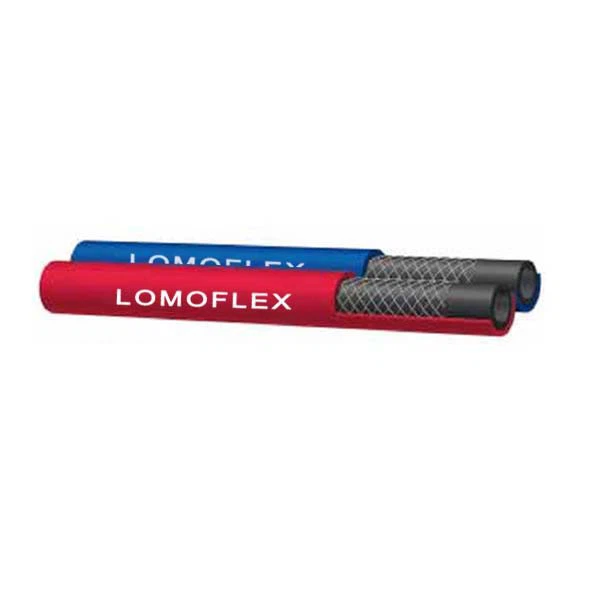
We also offer Twin Welding Hose with reinforced layers. These layers provide an extra level of protection against rodent bites. Consider upgrading to these types of hoses if you are in an area with a high rodent population.
5. Ultrasonic Devices
Ultrasonic devices emit high-frequency sound waves that are unpleasant to rodents but inaudible to humans. These devices can be placed near the LPG hoses to deter rodents. They work by creating an uncomfortable environment for the rodents, making them less likely to stay in the area.
However, it's important to note that the effectiveness of ultrasonic devices can vary depending on factors such as the size of the area, the type of rodents, and the presence of obstacles. You may need to use multiple devices or combine them with other prevention methods for best results.
6. Regular Inspections
Even if you have implemented all the prevention measures, it's still important to conduct regular inspections of the LPG hoses. Check for any signs of damage, such as cuts, punctures, or chew marks. Inspect the physical barriers, repellents, and ultrasonic devices to ensure they are in good working condition.
If you notice any damage to the hoses, replace them immediately. Do not attempt to repair a damaged hose, as this can compromise its safety.
Contact Us for LPG Hose Purchase and Consultation
As a leading supplier of LPG hoses, we are committed to providing our customers with high-quality products and excellent service. If you are in need of LPG hoses or have any questions about preventing rodent damage, please feel free to contact us. Our team of experts is ready to assist you in choosing the right hoses for your needs and providing you with professional advice on rodent prevention.
References
- "Rodent Behavior and Control" - A comprehensive guide on understanding rodent behavior and effective control methods.
- "LPG Hose Safety Standards" - Industry standards for the safety and quality of LPG hoses.
- "Rodent Repellents: A Review" - A review of different types of rodent repellents and their effectiveness.